
 By admin
How to Know If You Might Have Breast Cancer: Symptoms, Early Signs, and When to Seek Help
Introduction
Breast cancer is one of the most common cancers affecting women worldwide. According to the World Health Organization (WHO), it is the leading cancer among women, with millions of new cases diagnosed every year. Early detection remains the most powerful tool in improving survival rates, as treatment is far more effective when the disease is caught in its initial stages.
For this reason, every woman—and men as well, since breast cancer can occur in males—should understand how to monitor breast health, recognize suspicious changes, and know when to seek medical advice. While hormonal fluctuations during menstruation, pregnancy, breastfeeding, and menopause can cause natural variations in the breasts, it is critical to distinguish these normal changes from potential warning signs of breast cancer.
This article provides a comprehensive guide on how to identify possible signs of breast cancer, what symptoms require urgent attention, and why regular self-examination and clinical screening are essential.
Understanding Breast Changes
Before discussing potential signs of breast cancer, it is important to understand that breast tissue naturally changes throughout life due to hormonal, reproductive, and age-related factors.
Hormonal Influences on Breast Tissue
- Menstrual Cycle: Many women experience tenderness, swelling, or lumpiness in the breasts just before or during their period. These changes are usually temporary and disappear after menstruation.
- Pregnancy and Breastfeeding: The breasts may become firmer, larger, and more sensitive as the body prepares for lactation. These changes are normal but can sometimes make it harder to notice abnormalities.
- Menopause: After menopause, breast tissue often becomes less dense and more fatty, which may make it easier to detect lumps. However, hormonal replacement therapy (HRT) can cause breast tissue to remain firmer and may lead to additional changes.
While these natural fluctuations are expected, persistent or unusual changes should not be ignored.
Key Warning Signs of Breast Cancer
Breast cancer may not always cause obvious pain or discomfort in the early stages. Instead, subtle physical changes often serve as the first indicators. Being aware of these warning signs and acting promptly can make a critical difference.
1. Lumps and Nodules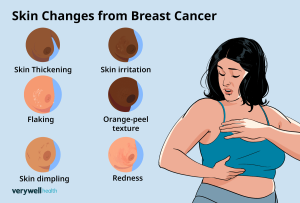
One of the most well-known symptoms of breast cancer is the appearance of a lump or mass in the breast or underarm (armpit).
- Characteristics of Concerning Lumps: Hard, irregular in shape, immovable, and usually painless.
- Benign Lumps: Many lumps are non-cancerous (such as cysts or fibroadenomas), but only a healthcare professional can confirm this.
- Action to Take: Any new lump should be examined by a doctor, regardless of size or pain level.
2. Changes in Breast Size or Shape
- Unilateral Enlargement: If one breast suddenly becomes larger than the other, it could indicate inflammation or underlying disease.
- Visible Distortion: A sudden change in contour, such as flattening or swelling of only one side, should not be ignored.
3. Skin Changes
The skin overlying the breast can reveal important clues:
- Dimpling or Puckering: When cancer cells block lymph vessels, the skin may appear dimpled, resembling the texture of an orange peel (“peau d’orange”).
- Thickening or Redness: Inflammatory breast cancer, an aggressive form of the disease, often presents with redness, swelling, and skin warmth.
- Localized Hardness or Scarring: Sometimes due to fat necrosis, but can also be linked to malignant changes.
4. Nipple Abnormalities
- Inversion or Retraction: If a nipple suddenly turns inward, becomes flattened, or is pulled in, it may signal underlying cancer.
- Skin Irritation: Crusting, scaling, or rash around the nipple can be mistaken for dermatitis but may indicate Paget’s disease of the breast, a rare cancer type.
- Unusual Discharge: While many women experience occasional nipple discharge, discharge that is bloody, watery, or occurs without squeezing should be assessed immediately.
5. Breast or Underarm Swelling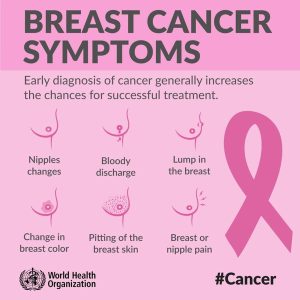
Swelling around the breast, armpit, or collarbone may indicate that breast cancer has spread to lymph nodes. This often appears as a firm swelling or lump near these regions.
Importance of Regular Breast Self-Examination
Self-examination is not a substitute for mammography or clinical screening, but it empowers individuals to notice changes early.
How to Perform a Breast Self-Exam
- Visual Inspection: Stand in front of a mirror with arms at your sides, then raised overhead. Look for changes in symmetry, contour, skin texture, or nipple position.
- Palpation While Standing: Using the pads of your fingers, check for lumps across all breast tissue, moving in a circular motion from the outer breast toward the nipple.
- Palpation While Lying Down: Place a pillow under your shoulder and raise your arm. This position spreads breast tissue more evenly, making it easier to detect abnormalities.
- Check the Underarm: Feel for lumps or swellings in the armpit area.
Best Time for Self-Examination
- Premenopausal Women: Perform self-exams a few days after your period ends, when breasts are least tender.
- Postmenopausal Women: Choose a consistent day each month.
Clinical Screening and Diagnostic Tools
While self-awareness is crucial, medical screening and imaging remain the gold standard for early detection.
Mammography
- Standard Screening: Recommended every 1–2 years for women aged 40 and above (guidelines may vary by country).
- Digital Mammography: More advanced imaging with improved accuracy, especially in women with dense breasts.
Ultrasound and MRI
- Breast Ultrasound: Useful for distinguishing solid lumps from fluid-filled cysts.
- Magnetic Resonance Imaging (MRI): Often recommended for high-risk women, such as those with a strong family history of breast cancer or BRCA gene mutations.
Biopsy
If imaging reveals suspicious changes, a biopsy is performed to confirm whether cells are benign or malignant.
Risk Factors You Should Know
Not all women who develop breast cancer have risk factors, but understanding them can encourage preventive measures.
- Genetic Factors: BRCA1 and BRCA2 mutations greatly increase the risk.
- Family History: Having a close relative with breast or ovarian cancer raises risk levels.
- Age: Risk increases significantly after age 40.
- Hormone Exposure: Long-term use of hormone replacement therapy (HRT) or early menstruation/late menopause.
- Lifestyle: Sedentary lifestyle, obesity, smoking, alcohol consumption, and poor diet.
When to Seek Medical Advice
You should immediately consult a healthcare provider if you notice:
- A new lump or persistent thickening in the breast or underarm.
- Unexplained pain in one breast that doesn’t resolve.
- Redness, swelling, or dimpling of the breast skin.
- Nipple inversion, rash, or bloody discharge.
Delaying medical evaluation can allow cancer to progress, reducing treatment effectiveness.
Advances in Breast Cancer Treatment and Outlook
Recent developments in medicine are improving outcomes for patients worldwide.
- Targeted Therapies: Drugs that specifically target cancer cells while sparing healthy tissue.
- Immunotherapy: Boosting the body’s immune system to fight cancer cells.
- Personalized Medicine: Genetic testing helps tailor treatment based on tumor characteristics.
- Minimally Invasive Surgery: Techniques such as lumpectomy preserve more healthy tissue compared to traditional mastectomy.
With these advancements, survival rates continue to rise, especially when cancer is detected early.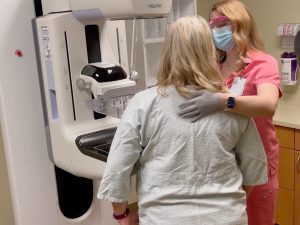
Conclusion
Breast cancer is a serious but increasingly manageable disease when caught early. Recognizing the signs—such as lumps, skin changes, nipple abnormalities, and swelling—is vital for timely intervention. While hormonal fluctuations can cause temporary breast changes, persistent or unusual symptoms must not be ignored.
Regular self-examinations, clinical screenings, and medical consultations are essential for early detection. Awareness, combined with advances in diagnosis and treatment, provides hope for reducing the global burden of breast cancer. Every woman should feel empowered to take charge of her breast health, as vigilance truly saves lives.
5G, Cell Towers, and Cancer Risks