
 By admin
Fashion in Slovenia: Tradition, Modernity, and Emerging Trends
Introduction
Slovenia, a small yet culturally rich country nestled in Central Europe, is often recognized for its breathtaking landscapes, alpine villages, and historic cities. However, beyond its natural beauty and heritage, Slovenia has been steadily cultivating a unique fashion identity. Influenced by its geographical position at the crossroads of the Mediterranean, Alpine, and Balkan regions, Slovenian fashion has historically been shaped by tradition, craftsmanship, and cultural diversity. In recent years, Slovenia has also embraced sustainability, innovation, and contemporary design, positioning itself as a growing player in the global fashion industry.
This article explores the evolution of fashion in Slovenia—its traditional roots, the modern fashion scene, the rise of sustainable practices, the influence of digital technologies, and the promising future of Slovenian designers.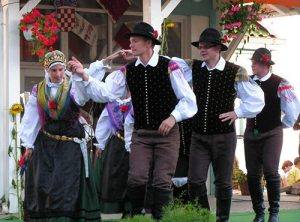
The Historical Foundations of Slovenian Fashion
Traditional Clothing and Folk Costumes
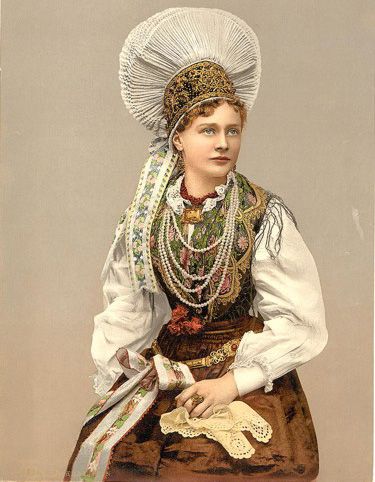
Slovenian fashion has deep roots in folk costumes, which vary significantly across the country’s regions. Traditional garments were not just clothing; they were symbols of identity, heritage, and social belonging.
- Alpine regions favored woolen fabrics, thick coats, and practical footwear suited for cold winters.
- Mediterranean areas leaned towards lighter fabrics, embroidered blouses, and brighter colors reflecting coastal influences.
- Rural villages often showcased handwoven linen and detailed embroidery, highlighting local craftsmanship.
These folk costumes, known as narodna noša, are still worn during cultural festivals, weddings, and national celebrations, preserving a strong link between fashion and cultural heritage.
Influence of European Neighbors
Slovenia’s position at the crossroads of Austria, Italy, Hungary, and the Balkans shaped its fashion culture. Austrian tailoring, Italian elegance, and Balkan ornamentation blended seamlessly into local styles. This hybrid influence gave Slovenian fashion a unique European flavor while maintaining authenticity.
The Evolution Toward Modern Fashion
Post-War Slovenia and Early Industry
After World War II, Slovenia became part of Yugoslavia, which influenced both its economy and fashion industry. The state-supported textile sector grew significantly, with companies producing affordable, durable clothing for mass markets. However, fashion remained relatively modest compared to Western Europe due to economic and political restrictions.
The 1990s and Independence
Slovenia’s independence in 1991 marked a turning point for its fashion scene. With newfound freedom, Slovenian designers began experimenting with creative concepts, drawing inspiration from both traditional heritage and global fashion trends. Small boutiques, independent designers, and fashion schools started emerging, paving the way for modern Slovenian style.
The Contemporary Slovenian Fashion Scene
Key Fashion Designers and Brands
Slovenia may not have the scale of fashion capitals like Paris or Milan, but it has produced remarkable designers who are gaining international recognition. Some notable names include:
- Maja Ferme – Known for combining elegance with bold, modern aesthetics.
- Jasna Rok – A pioneer in merging fashion with technology, particularly in smart textiles.
- Mateja Benedetti – A strong advocate of sustainable and eco-friendly fashion.
These designers have showcased collections on international runways, proving that Slovenian creativity resonates beyond its borders.
Fashion Weeks and Events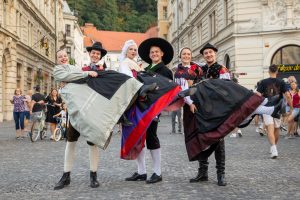
Slovenian fashion weeks, such as Ljubljana Fashion Week (LJFW), have become important platforms for emerging and established designers. These events not only highlight local talent but also attract international buyers and journalists, offering Slovenia a stage to showcase its innovative spirit.
Street Style and Everyday Fashion
In urban centers like Ljubljana and Maribor, street fashion reflects a blend of comfort, functionality, and European chic. Young people often favor minimalist designs, sustainable fabrics, and versatile clothing that balances work, leisure, and outdoor lifestyles.
Sustainability: A Defining Feature of Slovenian Fashion
Eco-Friendly Design
One of the strongest pillars of modern Slovenian fashion is its commitment to sustainability. Many Slovenian designers prioritize:
- Organic fabrics such as hemp, linen, and organic cotton.
- Upcycling and recycling, turning old garments into new fashion pieces.
- Ethical production, ensuring fair labor practices.
For example, Mateja Benedetti has received global attention for her eco-luxury fashion collections, which emphasize cruelty-free materials and sustainable innovation.
Slow Fashion Movement
Unlike fast fashion giants, Slovenian fashion is rooted in quality and longevity. Local designers encourage consumers to invest in timeless pieces rather than constantly changing trends, aligning with the growing global slow fashion movement.
The Role of Technology in Slovenian Fashion
Digital Fashion and Smart Textiles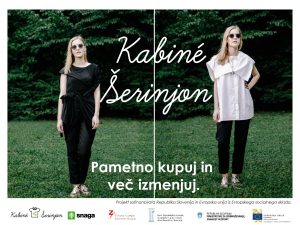
Slovenia has been innovative in merging fashion with technology. Designers like Jasna Rok are experimenting with smart fabrics, wearable technology, and even augmented reality fashion shows, creating futuristic experiences for consumers.
E-Commerce and Online Boutiques
The digital era has also given Slovenian fashion global visibility. Many designers sell their collections online through dedicated e-shops, making it easier for international buyers to access Slovenian creations. Social media platforms like Instagram and TikTok play a major role in shaping fashion trends among Slovenian youth.
Slovenian Fashion and Cultural Identity
Fashion as a Reflection of National Pride
Slovenian fashion is not only about aesthetics—it is also a way of expressing national pride. Designers often integrate cultural motifs, traditional embroidery, and regional patterns into modern clothing, blending the past with the present.
Fashion in Festivals and Celebrations
During national holidays, such as Slovenian Statehood Day or cultural festivals, traditional costumes are proudly displayed. These occasions demonstrate how Slovenian fashion continues to serve as a bridge between heritage and contemporary identity.
Challenges Facing Slovenian Fashion
Despite its progress, Slovenian fashion still faces challenges:
- Limited international exposure compared to fashion capitals.
- Small domestic market, making it hard for designers to scale globally.
- Competition from fast fashion, which dominates consumer spending.
However, these challenges also encourage Slovenian designers to differentiate themselves through sustainability, craftsmanship, and innovation.
The Future of Slovenian Fashion
Looking ahead, Slovenia is well-positioned to carve out a unique niche in the global fashion industry. By emphasizing eco-conscious design, digital innovation, and cultural heritage, Slovenian fashion can attract global consumers seeking authenticity and sustainability. Government support for creative industries, international collaborations, and increased global exposure will further strengthen Slovenia’s role in shaping the future of fashion.
Conclusion
Fashion in Slovenia is a fascinating blend of tradition, modernity, and innovation. From the intricate embroidery of folk costumes to the sleek lines of contemporary design, Slovenian fashion reflects the country’s cultural richness and forward-looking spirit. While it may not yet rival the scale of Paris, Milan, or New York, Slovenia is steadily carving its own path—one rooted in sustainability, creativity, and authenticity.
As Slovenian designers gain more international recognition and embrace technological innovation, the world is beginning to see Slovenia not only as a destination for natural beauty but also as a hub of emerging fashion talent. In many ways, Slovenia’s fashion journey mirrors its national story: small but ambitious, deeply rooted in tradition yet confidently looking toward the future.
Legal Wigs in the English Judiciary