
 By admin
White Sugar: Health Risks, Glycemic Impact, and Natural Alternatives
Introduction
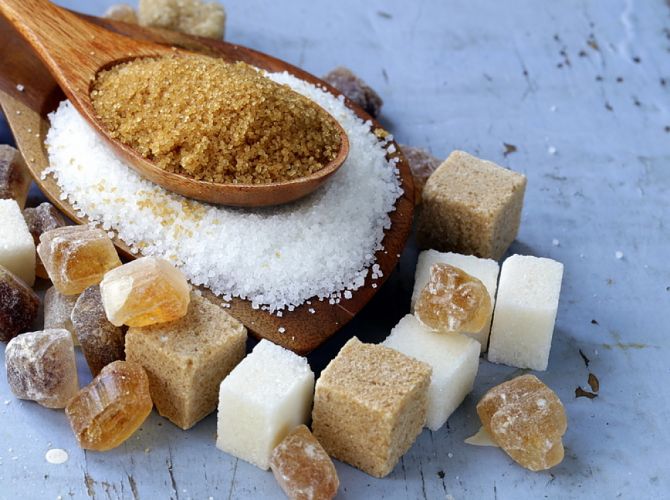
White sugar, commonly known as table sugar or sucrose, is one of the most widely consumed sweeteners in the world. Present in countless recipes, baked goods, beverages, and processed foods, it has become a staple in modern diets. Its sweet taste evokes memories of childhood treats, desserts, and daily rituals like sweetened tea or coffee. Yet, beneath its familiar appeal lies a darker truth: white sugar is one of the most harmful ingredients for our health when consumed in excess.
From its origins in sugarcane and sugar beet to its refined, crystalline form, white sugar has undergone centuries of evolution in production and consumption. While it delivers instant sweetness, it provides little to no nutritional benefit, making it a source of “empty calories.” Moreover, its high glycemic index means it rapidly spikes blood sugar levels, contributing to a wide range of chronic health issues, including diabetes, obesity, and cardiovascular diseases.
In this article, we will explore the origins of white sugar, its nutritional shortcomings, its effects on health, and healthier natural alternatives. We will also discuss why moderation is key, even when opting for substitutes.
The Origins of White Sugar
Sugarcane and Sugar Beet
White sugar comes primarily from two plants: sugarcane and sugar beet.
- Sugarcane-derived sugar: Naturally brown due to its molasses content, cane sugar undergoes a refining process that removes molasses, leaving behind pure white crystals. Molasses is rich in minerals like calcium, potassium, and iron, but these nutrients are stripped away during refining.
- Sugar beet-derived sugar: Unlike cane sugar, beet sugar is naturally white. However, it lacks micronutrients and offers no additional health benefits.
The end product in both cases is refined sucrose, stripped of its natural complexity, and reduced to pure sweetness without any meaningful nutritional value.
Nutritional Value of White Sugar
Empty Calories
Nutrition experts emphasize that white sugar provides only energy—no vitamins, minerals, fiber, or antioxidants. According to dietitian Angélique Houlbert, “White sugar has no nutritional interest for the human body. It is devoid of essential micronutrients and only supplies four calories per gram.”
- One sugar cube (6 g): ~24 calories
- Nutritional benefit: none
This is why nutritionists call sugar calories “empty calories.” Unlike whole foods, which provide both energy and nutrients, white sugar only contributes to caloric intake, making it a poor dietary choice when consumed in large amounts.
The Glycemic Index of White Sugar
The glycemic index (GI) is a measure of how quickly a food raises blood sugar levels. White sugar typically has a GI between 65 and 70, placing it in the high GI category.
- High GI foods: Rapidly increase blood glucose and trigger insulin spikes.
- Long-term impact: Repeated consumption can lead to insulin resistance, type 2 diabetes, and fat storage.
For comparison:
- White bread: GI ~70
- Honey: GI 45–64
- Coconut sugar: GI 35–55
Clearly, white sugar belongs among the foods that most aggressively elevate blood glucose.
Health Risks of White Sugar
1. Increased Risk of Diabetes
High consumption of refined sugar overwhelms the body’s ability to regulate glucose. Over time, this increases insulin resistance, leading to type 2 diabetes, a global health epidemic.
2. Cardiovascular Disease
A high-sugar diet promotes inflammation, raises triglycerides, and contributes to hypertension, all of which raise the risk of heart attacks and strokes.
3. Dental Caries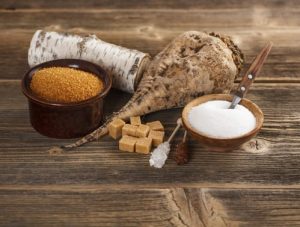
Sugar is the main fuel for harmful bacteria in the mouth. These bacteria produce acids that erode enamel, causing cavities and tooth decay.
4. Obesity and Weight Gain
Because sugar is calorie-dense but nutrient-poor, it contributes to weight gain. Sugary foods also disrupt satiety signals, encouraging overeating.
5. Liver Damage
Excess sugar, especially in the form of fructose, is metabolized in the liver, leading to fatty liver disease when consumed excessively.
Natural Alternatives to White Sugar
While eliminating sugar completely is challenging, several healthier natural alternatives can replace white sugar in drinks, baking, and cooking. These options vary in sweetness, glycemic impact, and nutritional value.
Honey
- Composition: ~40% fructose, ~30% glucose, minerals (iron, calcium, potassium, magnesium), water, and enzymes.
- Benefits: Antibacterial, antioxidant, and sweeter than sugar (use less for the same sweetness).
- GI: 45–64 depending on type (darker honey often has stronger flavor and higher antioxidants).
- Tip: Best consumed raw for maximum health benefits.
Coconut Sugar
- Source: Sap of coconut palm flowers.
- GI: 35–55 (moderate).

- Nutrients: Contains vitamin C, iron, potassium, and magnesium.
- Benefit: More nutrient-dense than refined sugar, though still calorie-rich.
Agave Syrup
- Source: Extracted from agave plants native to Mexico.
- GI: Relatively low due to high fructose content.
- Caution: Excess fructose may burden the liver if consumed excessively.
Maple Syrup
- Source: Sap of maple trees boiled into syrup.
- Nutrients: Amino acids, antioxidants, iron, calcium, manganese.
- GI: ~55 (still moderate to high).
- Advantage: Strong flavor allows reduced consumption compared to sugar.
Yacón Syrup
- Source: Yacón root, also known as “earth pear,” native to South America.
- GI: Extremely low (≈1).
- Nutrients: Rich in prebiotic fibers that support gut health.
- Benefit: Excellent option for diabetics and people with insulin resistance.
Whole Cane Sugar (Unrefined Sugar)
- Examples: Rapadura (Latin America), Galabé (Réunion Island), Muscovado (Philippines, Mauritius).
- Properties: Retains molasses, offering trace minerals and a rich flavor.
- GI: Still high, similar to white sugar.
- Advantage: Less processed and slightly more nutrient-dense.
Xylitol
- Source: Derived from birch bark or corn cobs.

- GI: ~7 (very low).
- Benefits: Protects teeth by reducing cavity-causing bacteria; stimulates saliva production.
- Use: Common in chewing gums and toothpaste.
- Caution: Safe for humans but toxic for dogs.
Why Moderation Still Matters
Even natural sweeteners can pose risks if consumed excessively:
- Honey and maple syrup are calorie-dense.
- Agave syrup, though low GI, is high in fructose.
- Coconut sugar, while nutrient-rich, still contains significant sucrose.
Health professionals recommend:
- Limiting added sugars (including alternatives) to less than 10% of daily caloric intake (WHO guidelines).
- For optimal health, aiming for under 5% is even better.
If you struggle with sugar addiction, medical professionals or nutritionists can provide support and structured plans for reducing consumption.
Conclusion
White sugar may be sweet, but its impact on health is far from harmless. Refined and stripped of all nutritional value, it delivers only empty calories, a high glycemic load, and long-term health risks. From diabetes and heart disease to dental problems and obesity, its negative consequences are well documented.
Fortunately, nature offers alternatives—from honey and coconut sugar to yacón syrup and xylitol—that provide sweetness with fewer downsides. While these substitutes can help reduce the harmful impact of white sugar, moderation is the ultimate key. A balanced diet rich in whole foods, fruits, vegetables, and fiber will always outweigh the fleeting sweetness of refined sugar.
Choosing wisely today means safeguarding long-term health while still enjoying the occasional sweet indulgence.
How to Know If You Might Have Breast Cancer