
 By admin
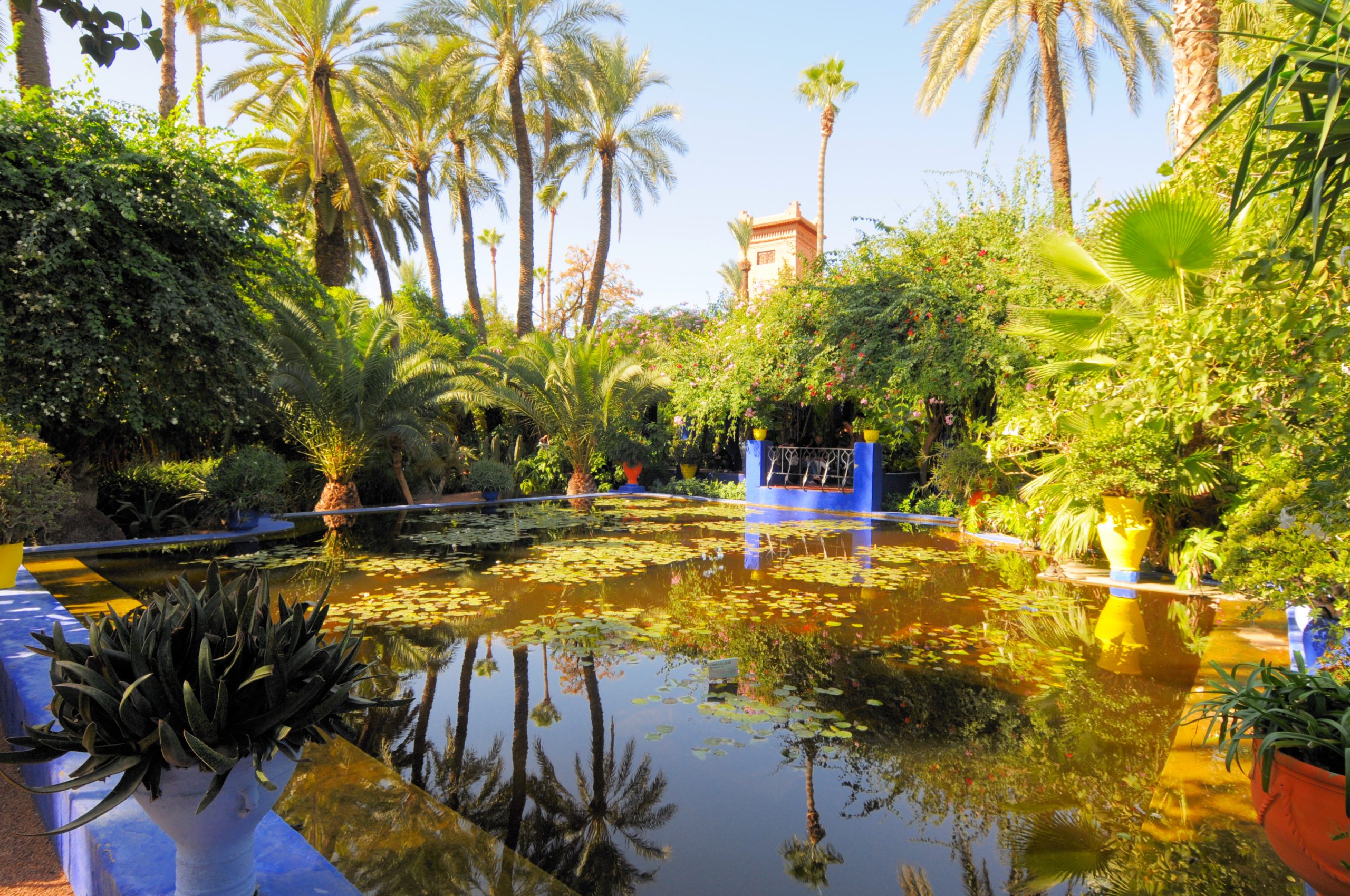
The 9 Most Beautiful Gardens in Europe: Enchanted Green Spaces Straight Out of a Fairytale
Introduction
Europe is not only a continent rich in history, culture, and architecture but also home to some of the world’s most breathtaking gardens. From the grand, meticulously designed landscapes of Versailles in France to the colorful tulip fields of Keukenhof in the Netherlands, European gardens embody centuries of artistry, horticultural innovation, and natural beauty.
Visiting these gardens is more than a simple walk among flowers—it is a sensory journey that combines nature, history, and culture. Sculpted by visionary gardeners, enriched by rare botanical collections, and often linked to royal courts or famous artists, these green sanctuaries reveal much about Europe’s identity and passion for beauty.
In this article, we will explore nine of the most stunning gardens in Europe—gardens that truly look as if they were drawn from the pages of a fairytale. Whether you are an avid traveler, a garden enthusiast, or someone seeking tranquility, these destinations promise unforgettable experiences.
1. The Gardens of Versailles – France
A Masterpiece of French Formal Gardening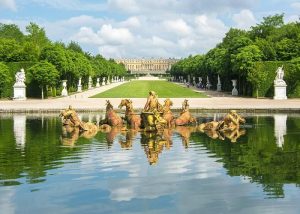
Designed in the 17th century by André Le Nôtre for King Louis XIV, the Gardens of Versailles are perhaps the most iconic example of formal French landscaping. Covering more than 800 hectares, the gardens reflect power, grandeur, and order through their perfect symmetry, vast parterres, and elaborate fountains.
Highlights to Explore
- The Orangerie: A magnificent parterre housing orange, lemon, and palm trees.
- The Grand Canal: A spectacular waterway stretching nearly 1.7 kilometers.
- The Bosquets: Hidden groves filled with sculptures, fountains, and pathways.
These gardens are not only a UNESCO World Heritage site but also a living monument to the golden age of France. Seasonal events, including musical fountain shows, bring history to life, making Versailles a must-see for visitors from around the globe.
2. Kew Royal Botanic Gardens – England
A Living Encyclopedia of Plants
Located just outside London, Kew Gardens spans 121 hectares and is home to over 30,000 species of plants, making it one of the most important botanical collections in the world. Established in the 18th century, it is now a UNESCO World Heritage site and a center of cutting-edge botanical research.
Must-See Attractions
- The Palm House: A Victorian glasshouse filled with tropical species.
- The Temperate House: The world’s largest Victorian glasshouse.
- The Arboretum: An extensive collection of rare and ancient trees.
Kew is not only a place of beauty but also a global leader in conservation and climate research. It frequently hosts exhibitions and events aimed at raising awareness about biodiversity and sustainability.
3. The Generalife and Alcázar Gardens – Spain
Moorish Elegance and Cinematic Fame

In Seville, the Alcázar Gardens are an enchanting blend of Islamic, Renaissance, and Baroque influences. Their intricate fountains, tiled pathways, and lush greenery evoke centuries of cultural history. Recognized as a UNESCO World Heritage site, the Alcázar Gardens also gained modern fame as filming locations for the popular series Game of Thrones.
Garden Features
- Geometric courtyards with ornamental pools.
- Orange groves and fragrant jasmine.
- Hidden patios that create intimate, serene spaces.
Walking through these gardens feels like stepping into another era, where artistry and nature intertwine seamlessly.
4. Castel Gandolfo Gardens – Italy
A Papal Retreat Open to the Public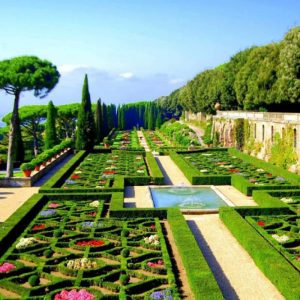
Perched on the hills south of Rome, the Gardens of Castel Gandolfo were historically reserved for the Popes. Today, they are open to the public, offering visitors a rare glimpse into what was once a private sanctuary.
Key Highlights
- Ancient Roman ruins, including an amphitheater.
- Geometrically designed flowerbeds and fountains.
- Panoramic views of Lake Albano.
These gardens blend history, religion, and natural beauty, making them one of Italy’s hidden treasures. Guided tours allow visitors to appreciate their artistic design and historical significance.
5. Terra Nostra Botanical Garden – Portugal
A Volcanic Paradise in the Azores
Nestled within the crater of an extinct volcano on São Miguel Island in the Azores, the Terra Nostra Garden is one of Portugal’s most unique landscapes. Created in the 18th century, it has since become a sanctuary of rare and exotic plants.
Unique Attractions
- Thermal pool heated by volcanic springs.
- Centuries-old trees from across the world.
- Exotic flowers such as camellias, rhododendrons, and Malaysian orchids.
Terra Nostra offers a one-of-a-kind experience where visitors can combine botanical exploration with a relaxing soak in natural thermal waters.
6. Keukenhof Gardens – The Netherlands
The World’s Flower Capital
Every spring, the Dutch countryside near Amsterdam explodes in color with the Keukenhof Gardens. Known as the “Garden of Europe”, Keukenhof showcases more than 7 million flowers across 32 hectares, making it one of the largest flower gardens on Earth.
Seasonal Highlights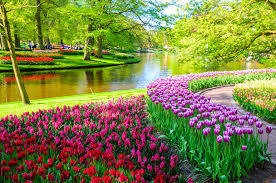
- Tulip displays in over 800 varieties.
- Flower parades featuring artistic arrangements.
- Indoor pavilions hosting horticultural exhibitions.
Keukenhof is a true symbol of Dutch cultural identity and horticultural heritage. It attracts millions of visitors annually, all eager to witness its spectacular floral displays.
7. Mainau Island Gardens – Germany
The “Island of Flowers”
Located on Lake Constance, Mainau Island is a 45-hectare floral paradise often called the “Island of Flowers.” Its flora transforms three times a year, with tulips in spring, roses in summer, and dahlias in autumn.
Features to Discover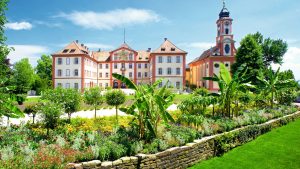
- Butterfly house with tropical species.
- Baroque palace and historic chapel.
- Family-friendly attractions including playgrounds and educational exhibits.
Mainau is both a natural retreat and a cultural site, attracting visitors of all ages with its blend of beauty, history, and recreation.
8. Claude Monet’s Garden – Giverny, France
An Artist’s Living Canvas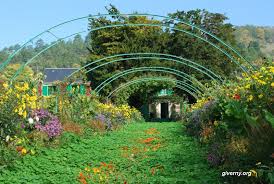
In the village of Giverny, painter Claude Monet created a garden that served as both inspiration and subject for his artwork. The garden is divided into two distinct parts:
- The Clos Normand – bursting with vibrant tulips, roses, and irises.
- The Water Garden – inspired by Japanese landscapes, with a lily pond and iconic bridge.
It was here that Monet painted his world-renowned “Water Lilies” series, making the garden not just a horticultural masterpiece but also a cultural landmark.
9. Schönbrunn Palace Gardens – Austria
Imperial Grandeur in Vienna
The Gardens of Schönbrunn Palace in Vienna showcase Baroque landscaping at its finest. Once the summer residence of the Habsburgs, the palace and its gardens are now a UNESCO World Heritage site.
Highlights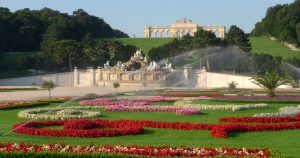
- The Gloriette: A hilltop structure offering panoramic views of Vienna.
- The Great Parterre: A symmetrical arrangement of flowerbeds and sculptures.
- The Maze and Labyrinth: Perfect for family exploration.
Schönbrunn’s gardens remain a testament to the wealth and cultural refinement of imperial Austria, while continuing to enchant modern visitors.
Conclusion
From royal retreats and volcanic sanctuaries to artistic inspiration and botanical research hubs, Europe’s gardens are living legacies that showcase the continent’s rich cultural history, artistic vision, and love for nature. Each garden offers a unique story—whether it is the grandeur of Versailles, the scientific achievements of Kew, or the artistic beauty of Monet’s Giverny.
Exploring these gardens is more than just sightseeing; it is a journey into history, culture, and natural wonder. They remain timeless treasures, enchanting visitors year after year and proving that Europe’s landscapes are as rich and diverse as its people.
A Culinary Journey Through Brazil