
 By admin
10 Common Symptoms and Signs of High Blood Pressure: What You Need to Know
Introduction
High blood pressure, medically known as hypertension, is one of the most common chronic conditions affecting millions of people worldwide. Often called the “silent killer”, it can quietly damage vital organs such as the heart, kidneys, brain, and eyes without obvious warning signs. According to the World Health Organization (WHO), more than 1.28 billion adults aged 30–79 years globally have hypertension, yet fewer than half of them are aware of their condition.
Recognizing potential symptoms and signs of high blood pressure is crucial for early diagnosis and management. While most individuals with hypertension experience no clear symptoms, certain physical and psychological indicators can appear when blood pressure rises significantly or remains uncontrolled for long periods.
This article explores the 10 most common symptoms and signs of high blood pressure, explains why they occur, and highlights the importance of regular monitoring, prevention, and lifestyle changes.
Understanding High Blood Pressure
What Is High Blood Pressure?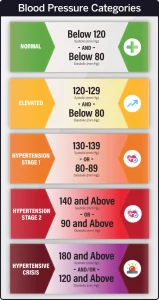
Blood pressure is the force of circulating blood against the walls of arteries. It is measured in millimeters of mercury (mmHg) and expressed in two numbers:
- Systolic pressure (the top number): the pressure when the heart contracts.
- Diastolic pressure (the bottom number): the pressure when the heart relaxes between beats.
- Normal blood pressure: 120/80 mmHg
- Elevated (prehypertension): 120–139/80–89 mmHg
- Hypertension (Stage 1): 140–159/90–99 mmHg
- Hypertension (Stage 2): 160/100 mmHg or higher
If left unmanaged, high blood pressure increases the risk of heart disease, stroke, kidney damage, and vision loss.
Why Is Hypertension Called the “Silent Killer”?
Hypertension is often symptomless in its early stages. Many people discover it only during routine health checks or after complications develop. Because it silently damages the body, it has earned the title “the silent killer.”
Why Identifying Symptoms Matters
Although most people with high blood pressure don’t experience noticeable symptoms, severe or prolonged hypertension can cause physical manifestations. These signs usually indicate organ damage or dangerously high readings, sometimes requiring emergency medical care.
Recognizing these symptoms allows patients to seek timely medical evaluation and avoid life-threatening consequences.
10 Common Symptoms and Signs of High Blood Pressure
1. Persistent Headaches
One of the most commonly reported symptoms is frequent headaches, often felt at the back of the head in the morning. Severe or sudden headaches may suggest a hypertensive crisis (blood pressure higher than 180/120 mmHg), which requires urgent medical attention.
2. Nosebleeds (Epistaxis)
While occasional nosebleeds can happen for many reasons, recurrent or severe nosebleeds may occur when high blood pressure damages delicate blood vessels inside the nose.
3. Shortness of Breath
High blood pressure forces the heart to work harder, potentially leading to heart failure or fluid buildup in the lungs. This can cause breathlessness, especially during physical activity or while lying flat.
4. Ringing in the Ears (Tinnitus)
Many hypertensive patients report tinnitus or a constant ringing sound in the ears. Although not exclusive to high blood pressure, tinnitus may worsen when blood vessels in the head and neck are under strain.
5. Sleep Disturbances and Insomnia
Hypertension is strongly linked to sleep problems. Difficulty falling asleep, frequent awakenings, or sleep apnea are common in people with uncontrolled blood pressure. Poor sleep, in turn, raises stress hormones, further elevating blood pressure.
6. Confusion or Trouble Concentrating
When blood pressure damages blood vessels in the brain, it may impair blood flow and oxygen supply. This can lead to confusion, memory issues, and reduced concentration, especially in older adults.
7. Fatigue and Weakness
Chronic high blood pressure strains the cardiovascular system, leaving patients feeling tired, weak, or drained. Fatigue may also signal complications such as kidney disease or heart failure.
8. Excessive Sweating
Unusual or profuse sweating without physical exertion can indicate high blood pressure or an overactive sympathetic nervous system. Sweating may also occur during hypertensive spikes.
9. Nausea and Vomiting
In severe hypertension, increased pressure inside the skull may cause nausea, dizziness, and vomiting. These symptoms often accompany headaches and blurred vision.
10. Blurred Vision and Vision Loss
High blood pressure can damage blood vessels in the retina, leading to hypertensive retinopathy. Symptoms include blurred vision, double vision, or, in advanced cases, partial vision loss.
Other Possible Indicators
While the 10 symptoms above are most common, other signs may include:
- Chest pain or tightness
- Swelling in ankles or legs
- Irregular heartbeat (palpitations)
- Reduced sexual desire or erectile dysfunction
It is important to note that these symptoms are not exclusive to hypertension and can occur in other conditions.
Risk Factors for High Blood Pressure
Several factors increase the likelihood of developing hypertension:
- Age: Risk rises with age.
- Family history: Genetics play a role.
- Lifestyle: Smoking, alcohol, poor diet, and lack of exercise.
- Obesity: Extra weight strains the heart.
- Stress: Chronic stress elevates blood pressure.
- Chronic conditions: Diabetes, kidney disease, and high cholesterol increase risk.
Prevention and Management
Lifestyle Changes
- Reduce salt intake: Excess sodium raises blood pressure.
- Exercise regularly: At least 150 minutes of moderate activity weekly.
- Eat a heart-healthy diet: Rich in fruits, vegetables, lean protein, and whole grains.
- Limit alcohol and quit smoking: Both directly damage blood vessels.
- Manage stress: Through meditation, yoga, or relaxation techniques.
- Maintain a healthy weight: Even a small reduction lowers risk.
Medication
For many patients, lifestyle modifications alone are not enough. Doctors may prescribe antihypertensive medications, such as:
- Diuretics
- Beta-blockers
- ACE inhibitors
- Calcium channel blockers
Compliance with prescribed treatment is essential, as studies show nearly 90% of patients fail to take their medication consistently, increasing complications.
Regular Monitoring
Because hypertension often shows no symptoms, the best way to detect it is through regular blood pressure checks. Home monitoring devices make it easy to track readings and share data with healthcare providers.
Complications of Untreated High Blood Pressure
Uncontrolled hypertension can lead to:
- Heart disease and heart attack
- Stroke
- Kidney failure
- Vision loss
- Cognitive decline and dementia
The long-term damage caused by untreated high blood pressure highlights why awareness and early intervention are critical.
Conclusion
High blood pressure is a widespread but often overlooked condition that can quietly threaten health. While many people never experience obvious symptoms, others may develop warning signs such as headaches, nosebleeds, fatigue, shortness of breath, and blurred vision.
Recognizing these possible indicators, adopting healthy lifestyle habits, and seeking medical care when necessary are vital steps in preventing serious complications. The most important takeaway is simple: do not wait for symptoms. The best way to protect your health is by regularly monitoring your blood pressure.
By taking control of hypertension early, you can protect your heart, brain, kidneys, and eyes, ensuring a longer, healthier life.
Essential Tips for Fighting Acne