
 By admin
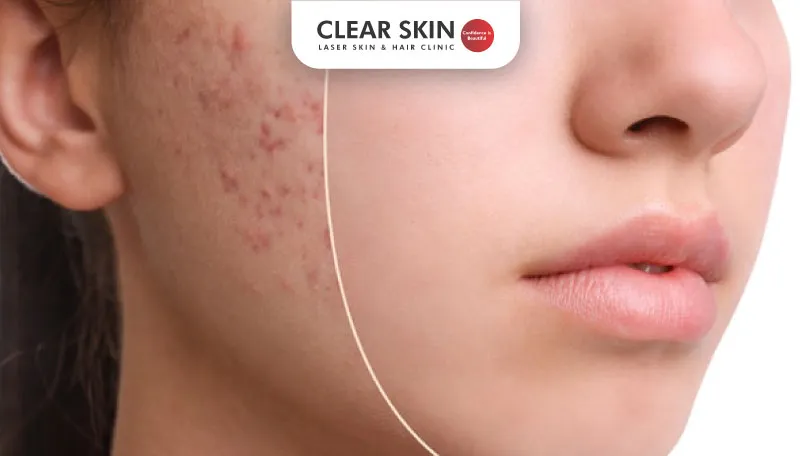
How to Clear Up Acne: Effective Tips, Treatments, and Modern Solutions
Introduction
Acne is one of the most common skin conditions in the world, affecting people of all ages and backgrounds. While it is often associated with teenagers and hormonal changes during puberty, millions of adults also experience breakouts well into their 20s, 30s, and beyond. According to the American Academy of Dermatology, nearly 85% of people between the ages of 12 and 24 experience at least minor acne at some point in their lives. For many, the condition does not stop there, creating ongoing struggles with self-confidence, skin health, and lifestyle choices.
The search for clear skin has created a multi-billion-dollar industry, with acne products ranging from over-the-counter creams to advanced dermatological treatments. However, not everyone has the time or budget for professional facials or regular dermatologist visits. Thankfully, there are practical, science-based, and affordable ways to manage acne effectively at home.
This comprehensive guide explores six proven tips to clear acne, modern treatment options, lifestyle adjustments, and long-term skin-care strategies. Whether you’re dealing with occasional breakouts or persistent acne, this article will help you understand the condition and choose solutions that work best for your skin.
Understanding Acne: Causes and Myths
What Causes Acne?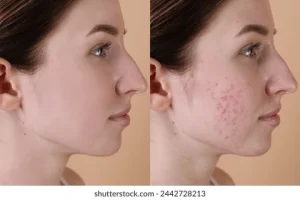
Acne develops when pores become clogged with oil (sebum), dead skin cells, and bacteria. Hormonal fluctuations, stress, diet, and genetics all contribute to how frequently and severely acne appears. Common forms include:
- Blackheads: Open clogged pores that darken due to oxidation.
- Whiteheads: Closed clogged pores under the skin.
- Papules and pustules: Inflamed bumps, sometimes filled with pus.
- Cystic acne: Deep, painful, and often resistant to basic treatments.
Common Myths About Acne
Despite decades of research, myths about acne remain widespread. Here are a few misconceptions:
- Chocolate causes acne: No single food directly causes acne, but diets high in refined sugar and dairy may worsen breakouts.
- Acne is caused by poor hygiene: Overwashing or scrubbing the skin can actually irritate it, making acne worse.
- You should pop pimples to heal faster: This often leads to scarring and increased inflammation.
Knowing the facts is the first step toward healthier, clearer skin.
6 Essential Tips to Clear Up Acne
1. Avoid Squeezing or Popping Pimples
It can be tempting to pop a pimple for quick relief, but doing so often causes more harm than good. Squeezing pushes bacteria and debris deeper into the skin, leading to inflammation, infection, and scarring. Dermatologists consistently warn against this habit, emphasizing that patience and proper treatment are more effective in the long term.
Pro Tip: If a pimple is painful, apply a warm compress to reduce swelling or use a spot treatment with benzoyl peroxide or salicylic acid.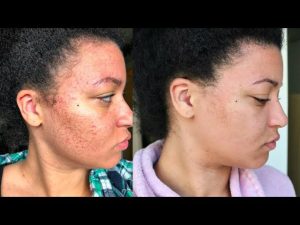
2. Maintain Proper Facial Hygiene
Keeping the skin clean helps minimize excess oil and bacteria buildup. Washing your face twice a day with a gentle, non-comedogenic cleanser is essential. Harsh soaps and scrubbing can strip the skin of natural oils, leading to irritation and rebound oil production.
Key recommendations:
- Use lukewarm water instead of hot water, which can dry out the skin.
- Avoid heavily fragranced cleansers that may irritate sensitive skin.
- Consider products with ingredients like salicylic acid (exfoliates pores) or sulfur (reduces oil).
3. Moisturize, Even if You Have Oily Skin
A common mistake among acne sufferers is skipping moisturizer. Many believe moisturizing makes oily skin worse, but in reality, depriving the skin of hydration can trigger excess oil production.
Best practices:
- Choose a lightweight, oil-free moisturizer labeled “non-comedogenic.”
- For acne-prone skin, consider moisturizers with hyaluronic acid (hydrating without clogging pores) or ceramides (repairing the skin barrier).
- If using harsh treatments like benzoyl peroxide, moisturizing helps reduce dryness and peeling.
4. Explore Over-the-Counter Acne Treatments
OTC acne products are often the first line of defense. These include creams, gels, and cleansers with active ingredients such as:
- Benzoyl Peroxide: Kills acne-causing bacteria and reduces inflammation.
- Salicylic Acid: Unclogs pores and promotes exfoliation.
- Adapalene (Differin): A retinoid that regulates skin cell turnover.
Important note: Start with lower concentrations to reduce irritation and always patch test before applying widely.
5. Manage Sweat and Oil After Physical Activity
Exercise is great for overall health, but sweat and oil can worsen acne if not managed properly. After a workout or yoga session, gently cleanse your skin to remove sweat and bacteria.
Tips for active individuals:
- Use oil-free sunscreen during outdoor activities.
- Carry cleansing wipes for quick refreshes.
- Avoid wearing heavy makeup when exercising.
6. Use Acne Creams with Benzoyl Peroxide
Benzoyl peroxide remains one of the most effective acne treatments available without a prescription. It is particularly effective against inflamed pimples. However, it can dry out the skin, so combining it with a moisturizer is essential.
Guidelines for use:
- Start with 2.5% formulations before moving to stronger concentrations.
- Apply only to affected areas, not the entire face.
- Use at night to minimize sun sensitivity.
Advanced Acne Treatment Options
While the above six tips help many people, some require stronger interventions. Dermatologists may recommend:
- Prescription Retinoids: Stronger than adapalene, these regulate skin cell turnover and prevent clogged pores.
- Oral Antibiotics: Reduce inflammation and bacterial growth.
- Hormonal Therapy: Birth control pills or anti-androgen medications for women with hormone-driven acne.
- Isotretinoin (Accutane): A powerful option for severe, resistant acne.
- Laser and Light Therapy: Targets bacteria and reduces oil production.
Consulting a dermatologist ensures you receive tailored treatment based on your skin type and severity of acne.
Lifestyle Factors That Influence Acne
Diet and Nutrition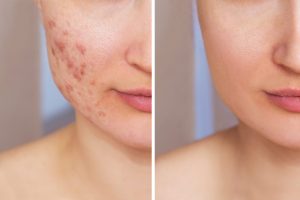
Research suggests that diets high in refined sugar, dairy, and processed foods may contribute to acne flare-ups. On the other hand, a diet rich in fruits, vegetables, omega-3 fatty acids, and whole grains supports overall skin health.
Stress Management
Stress triggers hormonal fluctuations that can worsen acne. Practices like meditation, yoga, and deep breathing exercises can help reduce breakouts.
Sleep and Hydration
Adequate sleep allows the body to regulate hormone production, while drinking enough water supports detoxification and skin hydration.
Long-Term Acne Management and Skin Care Routine
Acne is rarely cured overnight. Long-term success requires consistency and patience. A sustainable skincare routine should include:
- Gentle Cleansing – Twice daily with a mild cleanser.
- Targeted Treatment – Application of topical treatments as recommended.
- Moisturizing – To restore hydration and maintain a healthy skin barrier.
- Sun Protection – Daily use of broad-spectrum SPF 30+ sunscreen to prevent hyperpigmentation and scarring.
Over time, these practices not only clear acne but also improve skin texture, tone, and resilience.
Conclusion
Acne may be a common condition, but its impact on confidence and well-being is deeply personal. While professional dermatological care can be invaluable, many effective solutions are available at home with consistent effort. From avoiding harmful habits like pimple popping to incorporating proven treatments like benzoyl peroxide and salicylic acid, the path to clearer skin is both achievable and manageable.
Remember, every skin type is unique. What works for one person may not work for another, which is why experimenting carefully and seeking professional guidance when necessary is so important. By combining the six essential acne-clearing tips with lifestyle adjustments and modern treatment options, anyone can take significant steps toward healthier, clearer, and more radiant skin.
How Much Sleep Do We Really Need?