
 By admin
Introduction
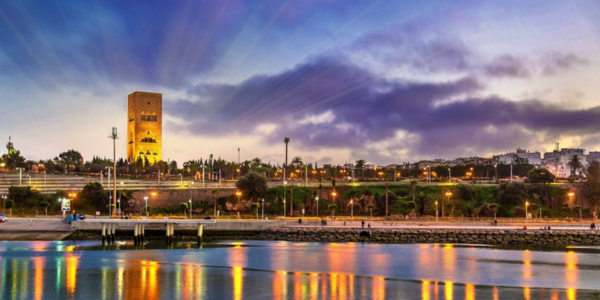
Rabat, the capital city of Morocco, is often described as a city where history and modernity intertwine harmoniously. Located on the Atlantic coast, it has witnessed centuries of change, from its origins as a Phoenician settlement in the 8th century BCE to its current status as a thriving administrative and cultural hub. Over the centuries, Rabat has been influenced by the Carthaginians, Romans, Almoravids, Almohads, and French colonial powers before becoming Morocco’s capital after independence in 1956. Today, it is not only the political and administrative center of the country but also one of the most captivating travel destinations in North Africa.
Rabat offers visitors an extraordinary blend of cultural heritage, historical monuments, modern art, lush gardens, and natural escapes along its Atlantic coastline. From UNESCO World Heritage sites to exotic gardens and contemporary museums, the city has something for everyone. Whether you are passionate about history, architecture, art, or simply looking for relaxation, Rabat promises a rich and memorable experience.
In this article, we will explore the Top 10 things to do in Rabat, diving into both its historical treasures and modern attractions to help you make the most of your visit.
1. Hassan Tower: A Testament to Almohad Grandeur
The Hassan Tower is perhaps Rabat’s most iconic landmark. Built in the 12th century by Sultan Yacoub al-Mansour, it was intended to be the minaret of the largest mosque in the world, rivaling even the Great Mosque of Samarra in Iraq. Although construction stopped after the Sultan’s death in 1199, the unfinished tower still stands tall at 44 meters. Originally, it was meant to reach 86 meters.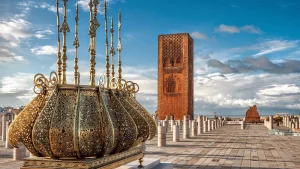
Crafted in red sandstone and adorned with intricate Almohad motifs, the Hassan Tower reflects the ambition and architectural brilliance of its era. Visitors can marvel at its grandeur while exploring the surrounding esplanade, which includes the Mausoleum of Mohammed V. From the tower, panoramic views of Rabat unfold, making it a must-visit site for lovers of history and architecture.
2. The Mausoleum of Mohammed V: A Royal Tribute
Next to the Hassan Tower stands the Mausoleum of Mohammed V, one of Morocco’s most beautiful monuments. This masterpiece of modern Alaouite architecture was built to honor King Mohammed V, the leader who guided Morocco to independence in 1956.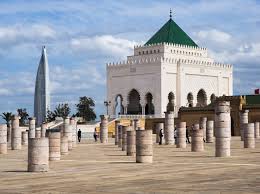
The mausoleum houses the tombs of Mohammed V, his son King Hassan II, and Prince Moulay Abdallah. Its exterior is crafted from pristine Italian white marble, complemented by green tiled roofs and finely worked bronze. Inside, visitors are welcomed into a breathtaking prayer hall with detailed zellij (mosaic tilework), cedar wood ceilings, and Quranic inscriptions.
While it is a place of reverence for Moroccans, it is also open to tourists who can appreciate its spiritual atmosphere and architectural beauty. Surrounded by peaceful gardens, the mausoleum provides an enriching cultural experience in the heart of Rabat.
3. Chellah Necropolis: Journey Through Time
The Chellah Necropolis is an archaeological and historical treasure that transports visitors back through centuries of Moroccan history. Originally a Phoenician trading post, later expanded by the Carthaginians and Romans under the name Sala Colonia, the site was eventually transformed by the Almohads in the 12th century into a fortified Islamic city.
Walking through Chellah feels like stepping into an open-air museum. Roman ruins such as columns and mosaics still stand, alongside medieval Islamic structures including mosques, mausoleums, and gardens. The site is also home to the tomb of Sultan Abu al-Hasan, a ruler from the Marinid dynasty.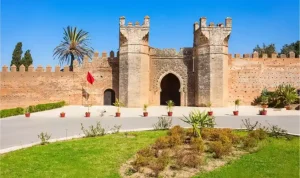
Beyond its historical importance, Chellah is a serene escape surrounded by greenery and birdlife, particularly storks that have made it their home. This combination of archaeology, history, and natural beauty makes Chellah one of the most fascinating places to visit in Rabat.
4. Kasbah of the Udayas: A Cultural Gem
The Kasbah of the Udayas, a UNESCO World Heritage site, is one of Rabat’s most charming neighborhoods. Originally built as a fortress by the Almohads in the 12th century, it was later transformed into a residential area by the Alaouite Sultan Moulay Ismail in the 17th century.
The kasbah is famous for its whitewashed houses with striking blue doors and windows, narrow winding streets, and Andalusian-style gardens. Visitors can explore the Andalusian Garden, visit the Oudayas Museum, and shop for traditional crafts in the small medina.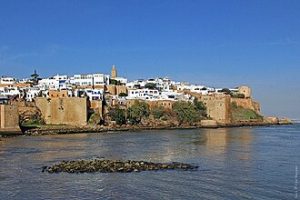
A highlight of the kasbah is the spectacular view it offers of the Bouregreg River and the Atlantic Ocean from its fortress walls. The area combines history, culture, and stunning scenery, making it a favorite for tourists and locals alike.
5. The Medina of Rabat: Step Into the Past
Rabat’s medina, also a UNESCO site, is one of Morocco’s best-preserved old towns. Unlike the bustling medinas of Marrakech or Fez, Rabat’s feels more relaxed and less overwhelming, yet equally rich in culture.
Walking through its labyrinthine alleys, visitors can shop in traditional souks selling leather goods, carpets, jewelry, and Moroccan handicrafts. The medina also houses landmarks such as the Great Mosque and artisan workshops where visitors can witness craftsmanship passed down through generations.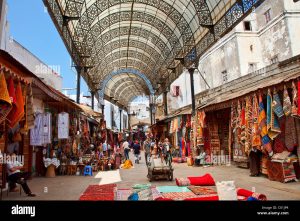
Food lovers will enjoy sampling authentic Moroccan cuisine in small eateries offering tagines, couscous, and mint tea. Exploring the medina is like walking through living history, where ancient traditions meet everyday Moroccan life.
6. Bab Rouah: Gateway of the Winds
Bab Rouah, also known as the “Gate of the Winds,” is one of the most impressive gateways of Rabat’s old city walls. Built in 1197 by the Almohad ruler Yaqub al-Mansour, this monumental gate is adorned with intricate floral and geometric carvings typical of Islamic architecture.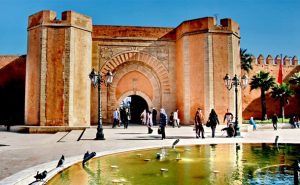
Today, Bab Rouah is more than a historical site—it serves as an art gallery hosting exhibitions by Moroccan and international artists. This fusion of heritage and modern art makes Bab Rouah a unique destination that bridges Rabat’s past and present.
7. Exotic Gardens of Bouknadel: A Botanical Escape
Located just outside Rabat in the town of Bouknadel, the Exotic Gardens offer a refreshing retreat for nature lovers. Originally created in the 1950s, this lush botanical park showcases plants from all over the world, including giant cacti, palm trees, succulents, and tropical species.
The gardens are meticulously landscaped, with walking paths that allow visitors to admire the biodiversity while enjoying peaceful views of the Atlantic Ocean. The site also serves as an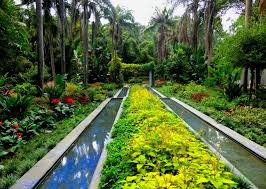 educational center, raising awareness about the importance of biodiversity and environmental conservation.
For those seeking tranquility and beauty, the Exotic Gardens of Bouknadel provide a perfect escape from the city.
8. Rabat Zoo: A Family Adventure
The Rabat Zoological Garden, also known as “The Wildlife Park,” is an essential stop for families and animal lovers. Originally opened in 1973 and extensively renovated in 2012, the zoo is home to over 150 species, including lions, giraffes, elephants, reptiles, and exotic birds.
What sets the Rabat Zoo apart is its dedication to recreating animals’ natural habitats. It is divided into ecological zones, such as the Atlas Mountains, desert, savannah, and tropical rainforest, ensuring both the comfort of the animals and an immersive visitor experience.
The zoo also plays an active role in conservation efforts, participating in breeding programs for endangered species. It offers an educational and entertaining experience for visitors of all ages.
9. Mohammed VI Theatre: Architectural Brilliance
The Mohammed VI Theatre in Rabat is a striking example of modern Moroccan architecture. Designed by the world-renowned architect Zaha Hadid, it was inaugurated in 2014 and has since become a cultural icon.
With its flowing, futuristic design made of concrete, steel, and glass, the theatre contrasts beautifully with Rabat’s traditional architecture. Inside, it hosts concerts, plays, operas, art exhibitions, and conferences, cementing Rabat’s reputation as a cultural hub.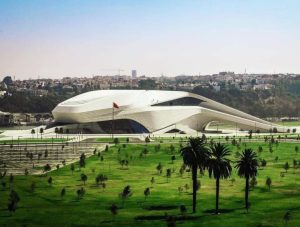
For art enthusiasts and architecture admirers, the Mohammed VI Theatre is a must-see destination that represents Morocco’s embrace of contemporary creativity.
10. Museums of Rabat: Windows Into Moroccan Heritage
Rabat is home to several museums that reflect its rich cultural diversity:
- Mohammed VI Museum of Modern and Contemporary Art (MMVI): Showcasing Moroccan and international contemporary works, from paintings and sculptures to multimedia installations.
- Archaeological Museum of Rabat: A treasure trove of ancient artifacts, including Roman mosaics, Phoenician jewelry, and Islamic ceramics.
- Museum of the Prophet’s Biography (Sira Annabaouiya): Dedicated to the life and teachings of Prophet Muhammad (peace be upon him), featuring manuscripts, calligraphy, and spiritual artifacts.
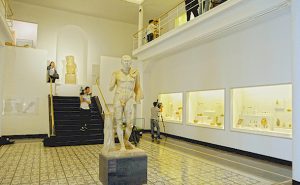
Visiting these museums provides deeper insight into Morocco’s past and present, offering intellectual enrichment alongside cultural appreciation.
Bonus Escape: Sidi Boughaba Beach
For a natural getaway near Rabat, Sidi Boughaba offers golden sands, gentle waves, and a serene environment ideal for relaxation. Families, surfers, and nature lovers frequent this beach to enjoy swimming, water sports, and birdwatching.
Its unspoiled landscape, with dunes and coastal vegetation, makes it a refreshing retreat from city life. Whether for a day of sunbathing or a quiet sunset walk, Sidi Boughaba is the perfect natural escape.
Conclusion
Rabat is more than Morocco’s capital—it is a living mosaic of cultures, histories, and modern innovations. From exploring ancient ruins at Chellah to strolling through the peaceful Andalusian Gardens, from marveling at Hassan Tower to discovering cutting-edge art at the Mohammed VI Museum, Rabat offers experiences that speak to all interests.
Whether you are a history enthusiast, art lover, nature seeker, or simply someone who enjoys exploring diverse cultures, Rabat is a city that will captivate your senses. By combining its historical legacy, cultural vibrancy, natural beauty, and modern achievements, Rabat firmly stands as one of Morocco’s most fascinating travel destinations.
How the Pharaohs Built the Pyramids?