
 By admin
Mastering Digital Photography: Four Powerful Techniques for Capturing Stunning and Memorable Photos
Introduction
The rapid evolution of digital photography has made it easier than ever for people to experiment creatively and preserve meaningful moments. Whether you are a beginner exploring your first digital camera or an enthusiastic photographer aiming to elevate your visual storytelling, learning to control how your camera interprets and captures light can significantly transform the quality of your images. What differentiates an ordinary snapshot from a compelling photograph is often not the camera model, but the photographer’s understanding of composition, lighting, exposure, and creative perspective.
Many new digital camera owners find themselves disappointed when their initial photos fail to reflect what they envisioned. The good news is that improving your photography does not necessarily require expensive lenses or advanced equipment. Instead, it relies on developing your instincts, experimenting with your camera’s settings, and learning how visual elements interact in a frame.
In this article, we will explore four essential techniques that can dramatically enhance your digital photographs. These methods are practical, easy to apply, and suitable for all levels—from absolute beginners to aspiring professionals. You will learn how to adjust exposure to create mood, use blur to emphasize subjects, transform everyday objects into artistic compositions, and seek unique perspectives that add originality and emotional depth.
Let’s begin your journey toward capturing more vibrant, expressive, and memorable digital images.
1. Understanding and Controlling Exposure
What Is Exposure and Why It Matters
Exposure refers to how much light reaches your camera’s sensor. A photo that is overexposed appears too bright and loses detail in lighter areas, while an underexposed photo appears too dark and loses detail in shadows. Achieving correct exposure ensures clarity, sharpness, and natural color balance.
Modern cameras come with automatic exposure controls, but relying solely on automatic modes limits creativity. By learning how to manually adjust exposure, you can influence how your audience feels when they view your image.
Experimenting with Exposure Settings
One of the most effective ways to learn is to explore how your camera behaves in different lighting environments. For bright outdoor scenes, try slightly underexposing by reducing exposure by 0.5 to 2 stops. This helps preserve highlights and prevent washed-out skies. In low-light environments, overexposing slightly can reveal hidden detail and reduce harsh shadows.
A powerful technique for beginners is bracketing—taking multiple shots of the same scene at different exposure levels. Later, you can choose the photo that best captures the desired mood.
Creating Mood Through Exposure
Exposure is not just a technical element—it is also an emotional tool. Darker, underexposed photos convey mystery, seriousness, or nostalgia. Brighter, overexposed compositions can feel dreamy, lighthearted, or joyful.
The expression “A picture says a thousand words” applies strongly here: your creative exposure choices help tell your story without any need for words.
2. Using Artistic Blur to Highlight Your Subject
Why Blur Can Be an Asset
Many new photographers mistakenly believe that every part of a photo must be perfectly sharp. In reality, intentional blur guides the viewer’s eye and creates artistic emphasis. When used correctly, blur enhances storytelling and draws attention to what truly matters in the scene.
There are two major types of creative blur: depth-of-field blur and motion blur.
Depth-of-Field Blur (Bokeh Effect)
Depth-of-field refers to how much of your image is in sharp focus. A shallow depth-of-field creates a sharp subject with a soft, beautifully blurred background. This effect is commonly used in portrait photography to isolate people from distracting backgrounds.
To create this effect:
- Use a wide aperture (a lower f-number such as f/1.4, f/2.0, or f/2.8).
- Move closer to your subject.
- Increase the distance between the subject and background.
This blur effect is often referred to as bokeh, and it adds depth, elegance, and emotional focus to the image.
Motion Blur for Dynamic Movement
Motion blur captures movement rather than freezing it. By lowering your shutter speed, you can create artistic trails of motion, such as flowing water, rushing traffic lights, or dancers in motion.
To experiment with motion blur:
- Set your camera to Shutter Priority Mode (S/Tv).
- Choose a slower shutter speed (1/4s, 1s, or slower depending on subject movement).
- Use a tripod to stabilize your camera and prevent unintended shake.
Motion blur adds energy, rhythm, and storytelling to your photographs. It allows the viewer to feel the movement instead of just seeing it.
3. Finding Creativity in Everyday Scenes
See the Ordinary with a New Perspective
Great photography does not rely solely on exotic locations or dramatic landscapes. You can produce powerful and meaningful images using everyday objects, shapes, and patterns. The key is to train your eye to observe your surroundings more attentively.
Look for:
- Lines that guide the viewer’s eye (roads, fences, hallways)
- Natural patterns (leaves, shadows, water ripples)
- Negative space (areas of emptiness that emphasize focus)
- Textures (rust, wood grain, stone surfaces)
Composing with Purpose
When you notice a visually interesting element, think about how to frame it. Consider:
- The rule of thirds: Place your subject off-center to create balance.
- Leading lines: Use lines to guide the viewer’s gaze.
- Foreground and background contrast: Combine sharp and soft elements.
By practicing these skills, you begin to recognize creative opportunities everywhere—from city streets to coffee shops to your own backyard.
4. Capturing Unique and Original Photos
Avoid Repetitive Tourist Shots
Popular photography spots can be visually appealing, but they often result in predictable images. To create unique photos, seek perspectives others overlook.
Instead of photographing a famous monument from the same viewpoint as everyone else, try:
- Changing your angle: Shoot from above, below, or behind.
- Using reflections in water, glass, mirrors, or metal.
- Shooting during unusual times of day such as dawn or late night.
Try New Photography Styles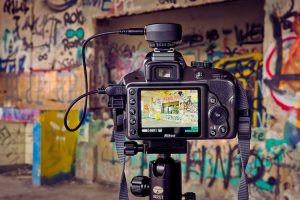
Exploring new environments and techniques introduces fresh creative experiences.
Some exciting directions to explore include:
- Underwater photography for surreal atmospheric scenes.
- Macro photography to reveal hidden miniature details.
- Night or astrophotography to capture stars and celestial motion.
- Abstract photography focusing on shapes over realistic imagery.
Experimenting with unfamiliar styles pushes creative boundaries and expands your visual language.
Conclusion
Mastering photography is not about owning the most expensive camera—it is about cultivating artistic awareness, experimenting with techniques, and developing your personal style. By adjusting exposure to control mood, using blur creatively to highlight subjects, discovering beauty in ordinary surroundings, and seeking fresh perspectives, you can create photographs that resonate emotionally and visually.
The more you practice, the more photography becomes not just a hobby, but a way of seeing the world. Every moment becomes an opportunity to capture a unique story, and every image becomes a reflection of your perspective, creativity, and imagination.
Let these four techniques serve as your foundation, and continue exploring new tools, environments, and inspirations. Your next unforgettable photograph may already be just one click away.