
 By admin
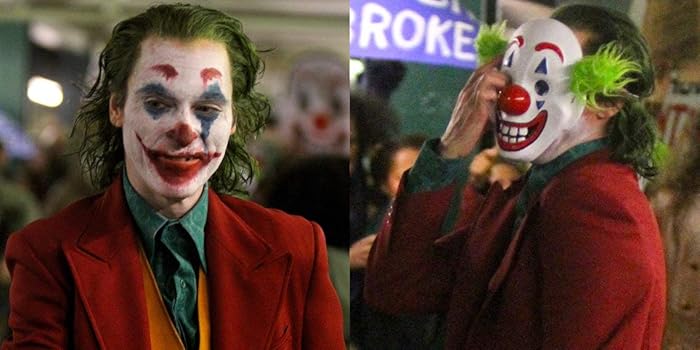
The Art of Costuming and Masking in Cinema: How Clothing and Disguise Shape Storytelling
Introduction
Costumes have always been central to the storytelling traditions of visual performance, from ancient theatre to modern cinema. When we watch a film or stage play, our first impressions of characters are often shaped not by dialogue, but by appearance—the fabrics they wear, the colors that represent their personality, and, in many cases, the masks that conceal or reveal deeper identity. This visual communication plays a defining role in how audiences interpret stories, emotions, and themes.
Throughout history, costumes and masks have evolved from being purely functional theatrical tools to becoming powerful symbolic and cultural instruments in the cinematic experience. In the modern era, costume designers, stylists, and makeup artists work alongside directors and producers to ensure that the visual aesthetic of a character aligns perfectly with narrative intentions. A costume is rarely just clothing—it is storytelling in textile form.
This article explores the history, development, and lasting importance of costumes and masks in film and theatre. It examines how visual design influences audience perception, how iconic movie costumes have shaped cultural memory, and why masks—from superhero disguises to psychological symbols—continue to captivate viewers across genres.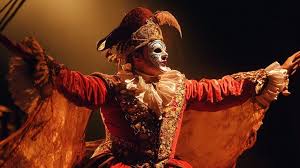
The Historical Roots of Costume and Mask in Performance
Ancient Theatre and the Birth of the Mask
The earliest theatrical performances in ancient Greece relied heavily on masks to convey character identity and emotion. The Greeks developed two symbolic theatrical masks—one smiling and one sorrowful—to represent comedy and tragedy. These images remain iconic symbols of theatre today.
At the time, masks served multiple purposes:
- Amplifying voices: Masks were often constructed with funnel-like mouthpieces to project sound in large amphitheaters.
- Enhancing visibility: Performers wore platform shoes and towering masks to appear larger, ensuring that even distant audience members could see them.
- Defining character archetypes: Masks indicated age, gender, social status, and emotional state.
Thus, the mask was not simply a disguise—it was the primary storytelling device. Audiences were accustomed to interpreting characters through visual cues, and costumes functioned as essential communicative tools.
Renaissance to Elizabethan Theatre
As theatrical traditions evolved into the Renaissance period, costumes became more elaborate. During the Elizabethan era—familiar to many through Shakespearean plays—actors often wore contemporary clothing rather than historically accurate garments. The focus was less on authenticity and more on expressing grandeur and dramatic intensity.
However, the idea of theatrical exaggeration continued. Costumes emphasized social importance and dramatic flair, and masks played vital roles in masquerade performances, royal entertainment, and theatrical symbolism.
Modern Cinematic Costuming: From Function to Artistic Identity
Technology Transforms Performance
With the invention of stage lighting, sound systems, and cameras, actors no longer needed oversized masks or exaggerated costumes to be seen. Performance became more naturalistic. Still, the importance of costume did not diminish—it simply changed form.
Today, costumes:
- Support the narrative setting and time period.
- Communicate a character’s personality, background, and emotional evolution.
- Reinforce visual aesthetics, film mood, and thematic tone.
In film, the camera captures detail with precision, meaning every stitch, color, accessory, and texture contributes to storytelling.
“Clothes Maketh the Character”
There is a well-known saying: “Clothes maketh the man.” In cinema, this concept transforms into “Costumes shape the character.” Even the most expertly written screenplay and talented cast may falter if costume design does not visually support the story.
A film that succeeds in costume design achieves:
- Believability in its world-building.
- Visual cohesion within cinematography and color palettes.
- Character depth through meaningful wardrobe choices.
Because of this, stylists and costume designers have become indispensable contributors in the film industry.
Films that Demonstrate the Power of Costume Design
Shakespeare in Love (1998)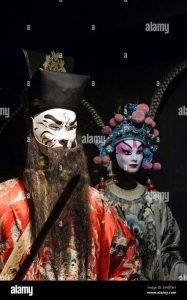
This film is a celebrated example of historically inspired costuming. The wardrobe team meticulously recreated Elizabethan fashion, featuring embroidered bodices, layered skirts, ruffles, and velvet garments. The effort resulted in the Academy Award for Best Costume Design, proving that visual authenticity can elevate storytelling and cultural immersion.
Titanic (1997)
Another iconic case, Titanic showcased early 20th-century elegance, capturing the social divisions between first-class luxury and working-class simplicity. Rose’s gowns, Jack’s modest attire, and the uniforms of the ship’s crew helped define relationships, hierarchy, and emotional undertones.
Moulin Rouge! (2001) and Chicago (2002)
Both films emphasized theatrical glamour, bold color palettes, and stylized fashion to evoke periods of performance culture. Their costumes did not merely clothe characters—they enhanced the rhythmic, expressive, musical nature of the narrative.
The Role of Masks in Modern Film
Masks as Identity Concealers
Masks in cinema are not limited to superheroes, but superhero films offer the most recognizable examples. Characters like:
- Spider-Man
- Batman
- The Phantom of the Opera
use masks to conceal identity, protect loved ones, or embody symbolic personas.
Masks as Transformation
In other films, masks help characters undergo identity shifts—sometimes humorous, sometimes dramatic.
Examples include:
- Mrs. Doubtfire (1993): Robin Williams portrays a father disguising himself as an elderly nanny to stay close to his children. The mask serves both comedic effect and emotional depth.
- Shallow Hal (2001): Gwyneth Paltrow’s character is visually transformed using prosthetics to express themes of perception and inner beauty.
- Harry Potter series: The face of Lord Voldemort functions as a mask of evil, visually reinforcing his fearsome legend.
Masks in Fantasy and Myth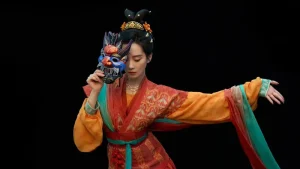
Masks symbolize power, mystery, and transformation. Films such as:
- The Mask (1994) starring Jim Carrey
- The Man in the Iron Mask (1998)
illustrate how disguise becomes central to dramatic tension, character development, and emotional themes.
Costume Culture Beyond Cinema
Influence on Fashion and Popular Culture
When a film succeeds visually, its costumes enter public imagination. Fans replicate styles in:
- Costume parties
- Halloween events
- Cosplay conventions
- Social media and influencer fashion trends
Examples include:
- The distinctive trench coats of The Matrix trilogy.
- The vintage flapper style re-popularized by The Great Gatsby.
- Superhero outfits becoming global cultural symbols.
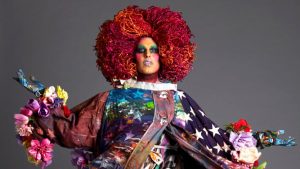
Costumes as Identity Expression
Beyond entertainment, costumes provide individuals with creative freedom. At festivals, parades, and fan gatherings, people use costumes to:
- Celebrate characters they admire
- Express imagination
- Bond through shared fandom communities
Conclusion
Costumes and masks remain powerful storytelling elements, just as they were in ancient theatre. While technology has reduced the functional need for oversized theatrical masks, visual design continues to define character identity, narrative depth, and thematic tone in cinema. A costume is far more than fabric—it is narrative art, cultural expression, and psychological symbolism.
In modern films, costuming and masking do not simply enhance entertainment; they shape emotional resonance, strengthen world-building, and contribute directly to cinematic legacy. As long as stories are told visually, costumes and masks will remain essential tools of the storyteller’s craft.
A Celebration of Life Begins With Lunch