
 By admin
Introduction: The Never-Ending Climb of Gas Prices
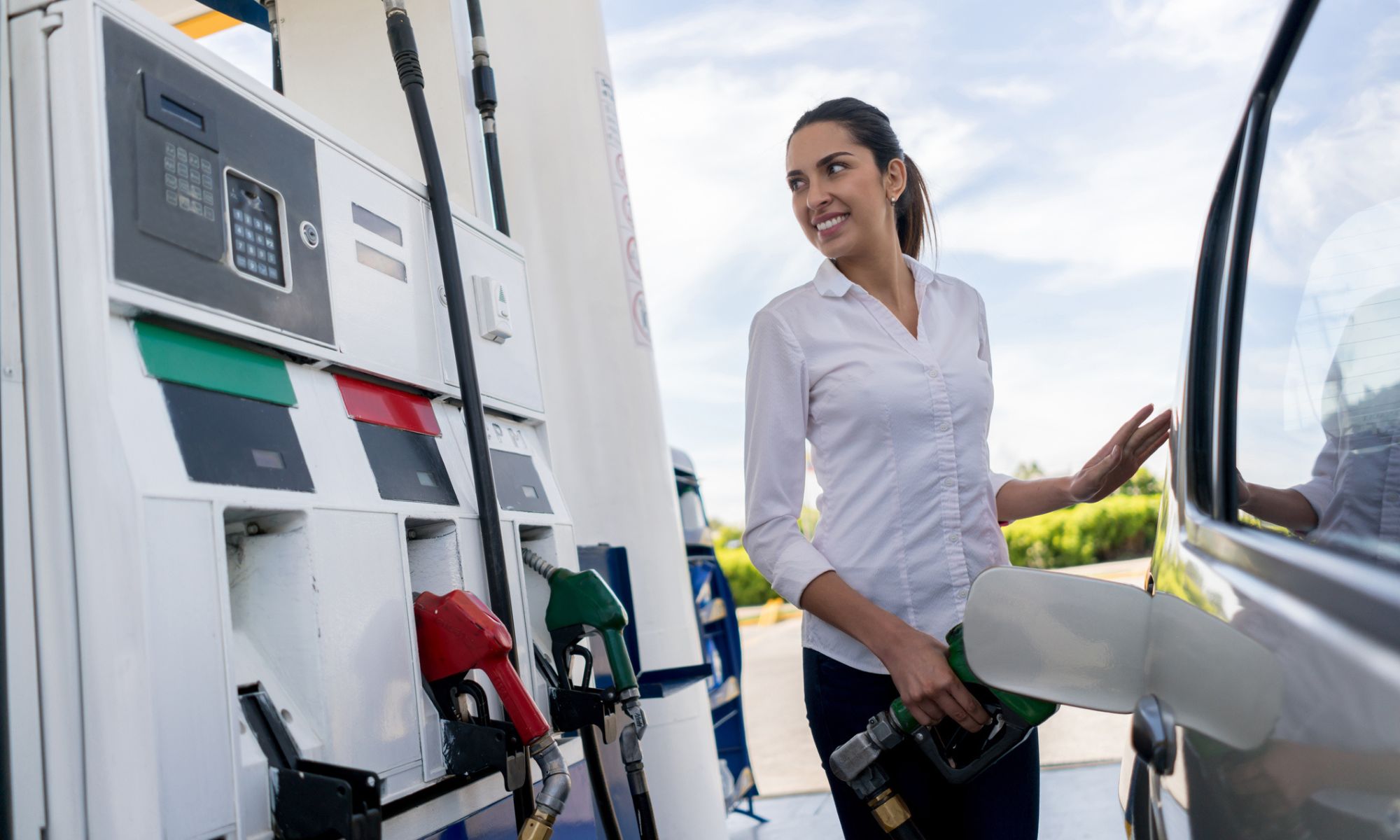
Fuel prices have become one of the most frustrating realities of modern life. Whether you’re commuting to work, running errands, or planning a road trip, the rising cost of gasoline impacts everyone. Over the past decade, global fuel markets have seen extreme volatility driven by geopolitical conflicts, inflation, supply chain disruptions, and the ongoing transition toward renewable energy sources.
In 2025, gas prices have again reached record highs in many countries, forcing individuals and families to rethink how they travel, commute, and spend their hard-earned money. Fortunately, there are smarter, more sustainable ways to adapt without completely sacrificing convenience or comfort.
This comprehensive guide explores three effective and realistic strategies to combat rising gas prices, combining practical advice with modern solutions such as electric vehicles, public transport innovations, and community-based mobility sharing.
1. Reduce Personal Car Usage: Rethinking the Need to Drive
1.1. The Obvious but Powerful Solution
The simplest way to cut down on gas expenses is, of course, to drive less. Every trip you skip or combine saves you fuel, reduces wear on your car, and cuts your carbon footprint. Yet, for most people, not driving at all isn’t realistic—work, school, errands, and social activities still require movement. The goal isn’t to stop driving entirely but to make driving more intentional and efficient.
1.2. Embrace Remote Work and Flexible Schedules
The post-pandemic era has permanently changed how people work. With remote and hybrid jobs becoming common, millions have reduced their weekly commute, saving both fuel and time. If your employer allows it, working from home even two or three days a week can significantly lower your monthly gas expenses.
- Pro Tip: Use video meetings and online collaboration tools like Zoom, Slack, or Microsoft Teams to stay connected and productive without the commute.
1.3. Combine Errands and Plan Routes Smartly
Instead of multiple small trips, combine errands into a single drive. Mapping your route in advance can save miles and reduce idling time in traffic. Mobile apps like Google Maps and Waze offer eco-friendly route options that help minimize fuel consumption.
1.4. Explore Walking and Biking
For short distances, walking or cycling is a great alternative. Not only does it save gas—it also improves physical health and reduces stress. Many cities now have bike-sharing programs and improved pedestrian infrastructure, making it safer and more accessible than ever.
2. Carpooling and Ride-Sharing: Sharing the Journey, Saving the Cost
2.1. The Modern Carpool Renaissance
Carpooling isn’t a new concept, but digital technology has completely reinvented it. With platforms like BlaBlaCar, Lyft Shared, and Uber Pool, connecting with others heading in the same direction is easier and safer. Carpooling can cut your fuel expenses by up to 75% if organized efficiently.
2.2. Benefits Beyond Fuel Savings
Carpooling offers much more than just saving gas:
- Reduced Traffic Congestion: Fewer cars mean faster commutes for everyone.
- Lower Emissions: Sharing rides directly reduces the carbon footprint of daily travel.
- Social Interaction: It fosters community connections and shared responsibility.
2.3. Building an Effective Carpool Network
Start small—with colleagues, neighbors, or parents at your child’s school. Establish clear schedules, responsibilities, and rules to ensure fairness and reliability.
Tips for a smooth carpool experience:
- Use carpool apps to manage schedules and track routes.
- Rotate drivers weekly to share costs evenly.
- Establish basic etiquette (clean car, punctuality, no loud music, etc.).
2.4. The Rise of Community Mobility Sharing
Beyond traditional carpooling, modern communities are embracing mobility hubs—shared transport systems that integrate electric cars, scooters, and bikes. Apps like Turo or Getaround even allow individuals to rent their vehicles when not in use, creating a circular, community-driven transport economy.
3. Embracing Public Transportation: The Cost-Effective Lifeline
3.1. The Return of Mass Transit
Public transportation remains one of the most efficient ways to fight rising gas prices. Trains, buses, and subways offer predictable pricing, reduced emissions, and less stress compared to traffic-heavy driving. In 2025, many cities have modernized their transit systems with contactless payments, real-time tracking, and electric fleets, making them cleaner, safer, and more reliable.
3.2. How to Make Public Transit Work for You
Transitioning to public transit may take some adjustment, but with the right strategies, it can become a convenient part of your routine.
Practical tips for comfortable commuting:
- Use mobile transit apps to check real-time schedules and plan connections.
- Purchase monthly passes to save money compared to single fares.
- Avoid peak hours when possible to enjoy less crowded rides.
- Learn multiple routes to adapt easily when delays occur.
3.3. Overcoming Common Concerns
Some people avoid public transport due to fears about safety, cleanliness, or punctuality. However, most modern systems have dramatically improved these areas. Cities like Singapore, Seoul, and Amsterdam are setting global examples for efficient, sustainable, and secure public transit.
If you live in an area without a reliable system, consider community shuttle services or on-demand microtransit—small-scale shared vehicles that operate like buses but on flexible routes.
4. Modern Alternatives: Electric and Hybrid Vehicles
4.1. Transitioning to Electric Mobility
Electric vehicles (EVs) are no longer luxury products—they are mainstream. With EV charging networks expanding globally and battery costs declining, more consumers are making the switch. Driving an EV can cut your per-mile cost by over 60% compared to gasoline vehicles.
4.2. Government Incentives and Support
Many countries offer tax credits, rebates, and subsidies for EV purchases or home charging installations. Some even provide discounted tolls or parking fees for electric or hybrid vehicles.
4.3. Plug-in Hybrids: The Best of Both Worlds
If you’re not ready to go fully electric, plug-in hybrids (PHEVs) combine a gasoline engine with an electric motor, allowing you to drive shorter trips purely on electricity while retaining the flexibility of a fuel tank for longer drives.
5. Energy-Saving Driving Habits: Getting More from Every Drop
5.1. Drive Smarter, Not Harder
Even small changes in your driving style can significantly improve fuel efficiency.
- Avoid rapid acceleration and hard braking.
- Maintain steady speeds and use cruise control on highways.
- Keep tires properly inflated and engines regularly serviced.
5.2. Lighten the Load
Every 100 pounds of extra weight reduces fuel efficiency by roughly 1%. Remove unnecessary items from your car and avoid carrying heavy cargo when not needed.
5.3. Use Technology to Monitor Consumption
Modern vehicles and apps provide detailed fuel analytics. Tools like Fuelly or TripLog help track usage and suggest optimization strategies.
6. Lifestyle Adjustments for Long-Term Savings
6.1. Support Local Economies
Shopping locally minimizes the distance goods travel and reduces your own need for long car trips. Supporting nearby businesses indirectly helps reduce overall fuel consumption in your community.
6.2. Vacation Smarter
Instead of long-distance air travel or road trips, explore nearby destinations. Regional tourism not only saves gas but also strengthens your local economy.
6.3. Join Sustainability Initiatives
Many cities and companies now reward eco-conscious behavior through green credits, loyalty programs, or tax benefits for sustainable commuting choices.
Conclusion: Turning a Crisis into an Opportunity
Rising gas prices may seem like a burden, but they also represent a turning point. They encourage individuals, communities, and governments to innovate, adapt, and move toward more sustainable lifestyles. By reducing unnecessary car use, embracing shared mobility, relying on public transport, and transitioning to cleaner vehicles, we can protect our wallets—and the planet.
The future of transportation isn’t about how much gas we can afford; it’s about how efficiently and sustainably we can move. Every choice we make—from the car we drive to how often we drive it—matters. Rising gas prices don’t have to control your life; with the right strategies, you can stay mobile, save money, and help shape a cleaner, smarter future.
Rediscovering the Magic of the Night Sky