
 By admin

Introduction: The Universal Language of Notes
Sheet music has long been the foundation of musical communication—a universal language that transcends words, borders, and generations. Whether you are an experienced musician, a composer, or an aspiring learner, sheet music serves as the bridge between musical imagination and auditory expression. In today’s digital world, sheet music has evolved beyond paper, becoming more accessible and interactive through online platforms and mobile applications. Understanding, reading, and using sheet music is not only essential for mastering musical instruments but also for preserving creativity, ensuring copyright protection, and expanding musical knowledge.
This article explores everything about sheet music—its importance, how to learn it, where to find it, its legal aspects, and how technology is revolutionizing its accessibility.
1. Understanding Sheet Music: A Blueprint of Sound
1.1 What Is Sheet Music?
Sheet music is a written representation of music that allows musicians to read and perform songs as the composer intended. It contains notations that communicate pitch, rhythm, tempo, and dynamics. From orchestral symphonies to pop melodies, sheet music serves as the visual structure of musical ideas.
Each element on a sheet—from the staff and clefs to notes, rests, and time signatures—tells a performer exactly how a piece should sound. While some musicians prefer to play by ear, learning to read sheet music provides precision and opens access to an enormous library of compositions.
1.2 The Role of Sheet Music in Music Education
For students and beginners, sheet music is an essential learning tool. It improves musical literacy, helps in understanding theory, and enhances sight-reading skills. Schools, conservatories, and private instructors rely on sheet music to teach rhythm, harmony, and melody.
Digital platforms now offer interactive sheet music, allowing learners to follow along visually as they play, making education more engaging.
2. Learning to Read Sheet Music: Step-by-Step Progress
2.1 Overcoming the Fear of Reading Music
Many beginners find reading sheet music intimidating at first. However, countless free online tutorials, mobile apps, and courses break down the process into manageable lessons. Websites like MuseScore Academy, Flowkey, and Yousician use gamified learning to make the process interactive and fun.
2.2 Key Elements Every Learner Should Know
- The Staff: Five horizontal lines where notes are placed.
- Clefs: Indicate pitch range (Treble Clef for higher notes, Bass Clef for lower ones).
- Notes and Rests: Represent sound duration and silence.
- Time Signature: Defines rhythm and beat count.
- Dynamics and Tempo Markings: Indicate volume and speed.
2.3 Practice Techniques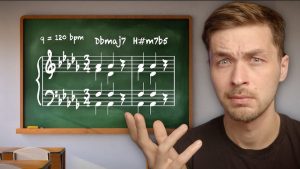
Start by identifying simple melodies and clapping out rhythms before playing. Gradually, you can combine rhythm and pitch, then move to more complex compositions. Using visual sheet-following tools or slow-play apps can help synchronize reading with performance.
3. Finding and Accessing Sheet Music in the Digital Age
3.1 From Libraries to Downloads
In the past, musicians relied on printed sheet music purchased from stores or borrowed from libraries. Today, the internet has revolutionized access. You can instantly download or stream digital sheet music in PDF or MIDI formats.
Websites such as MusicNotes, Sheet Music Plus, and 8notes.com offer vast catalogs covering every genre—from classical to rock, jazz, and film scores.
3.2 Free vs. Paid Sheet Music Platforms
- Free Platforms: Websites like IMSLP (International Music Score Library Project) provide thousands of public-domain works for free download.
- Paid Platforms: Offer modern and copyrighted pieces with professional arrangements, transpositions, and licensing options.
3.3 Customization and Digital Tools
Modern digital sheet music allows interactive experiences—zooming, annotating, transposing keys, and even syncing with backing tracks. Some platforms also provide AI-based accompaniment or performance analysis to help musicians refine their skills.
4. Legal and Ethical Considerations in Downloading Sheet Music
4.1 Understanding Copyright Laws
Music, like any creative work, is protected by copyright. Composers and publishers own the rights to their compositions and sheet music. Downloading or distributing copyrighted sheet music without permission is considered infringement and can lead to legal penalties.
4.2 How to Stay Within the Law
- Always download from verified sites.
- Look for licensing terms—many composers allow limited personal use.
- Avoid unauthorized sharing or printing.

- Support artists by purchasing licensed copies when possible.
4.3 The Role of Creative Commons
Some composers release their works under Creative Commons licenses, allowing free use under certain conditions such as attribution or non-commercial use. These open-access resources promote cultural sharing while respecting creative ownership.
5. The Role of Sheet Music for Composers and Performers
5.1 A Tool for Composers
For composers, sheet music serves as both a creative and protective tool. Writing compositions on paper (or digitally) helps formalize musical ideas and makes them ready for publication. Notation ensures that the work can be performed accurately by others and is crucial for copyright registration.
Digital composition software like Finale, Sibelius, and MuseScore allows composers to write, hear, and export their works in professional formats instantly.
5.2 A Resource for Performers
For performing musicians, sheet music acts as a guide, especially during rehearsals and live shows. Even experienced performers use it to stay synchronized in orchestras or large ensembles.
Keeping a digital library of sheet music enables quick access to multiple songs and facilitates collaboration with other musicians. Tablets have even replaced paper scores in concerts, allowing musicians to flip pages hands-free with foot pedals.
6. Expanding Repertoire Through Sheet Music
6.1 Building a Song Collection
Beginners often start with limited material. By downloading and studying sheet music, musicians can expand their repertoire across various genres—jazz, rock, pop, or classical. This diversity enhances versatility and increases performance opportunities.
6.2 Enhancing Stage Confidence
Having sheet music as a reference during live shows can reduce anxiety and improve accuracy. Many musicians use digital sheet readers on stage, which discreetly guide them through lyrics, chords, and key changes.
6.3 Collaborative Opportunities
Sheet music also encourages collaboration among musicians. Sharing notated works allows bands or orchestras to perform together precisely, no matter their geographical distance.
7. How Technology Is Revolutionizing Sheet Music
7.1 Interactive Sheet Music Apps
Applications like PlayScore 2, forScore, and Newzik allow musicians to scan, play, and interact with sheet music dynamically. AI-powered tools can turn printed scores into audio, enabling instant playback and real-time feedback.
7.2 Artificial Intelligence and Music Analysis
AI tools now help analyze sheet music, detect errors, and suggest improvements in composition. Musicians can upload handwritten scores and get them automatically digitized and harmonized.
7.3 Cloud Storage and Collaboration
Cloud-based platforms enable musicians to store, edit, and share sheet music anywhere in the world. Collaborators can comment, transpose, or annotate pieces simultaneously—making the process faster and more creative.
8. The Cultural and Educational Value of Sheet Music
8.1 Preserving Musical Heritage

Sheet music acts as a historical archive, preserving compositions from centuries past. Without written notation, masterpieces by Bach, Mozart, or Beethoven might have been lost forever. Libraries and digital archives continue to digitize ancient manuscripts, ensuring their survival for future generations.
8.2 Encouraging Innovation in Modern Music
Learning to read and write sheet music nurtures creativity. Artists who understand musical theory can innovate confidently—merging classical techniques with modern genres such as electronic or film music.
8.3 Sheet Music in Schools and Universities
Educational institutions still rely heavily on sheet music to teach performance, harmony, and orchestration. With hybrid learning, digital scores have made music education more flexible, interactive, and globally accessible.
Conclusion: Sheet Music—Past, Present, and Future
Sheet music remains the heartbeat of musical communication. From the handwritten manuscripts of centuries past to today’s AI-assisted digital scores, it continues to guide musicians, preserve art, and inspire creativity. Learning to read and use sheet music empowers both beginners and professionals to explore music with precision and passion.
As technology continues to evolve, the future of sheet music will likely become even more interactive, accessible, and collaborative. Whether on paper or screen, sheet music will always remain the foundation upon which the world’s greatest compositions are built.
Hip-Hop and the Making of a New Gangster