
 By admin
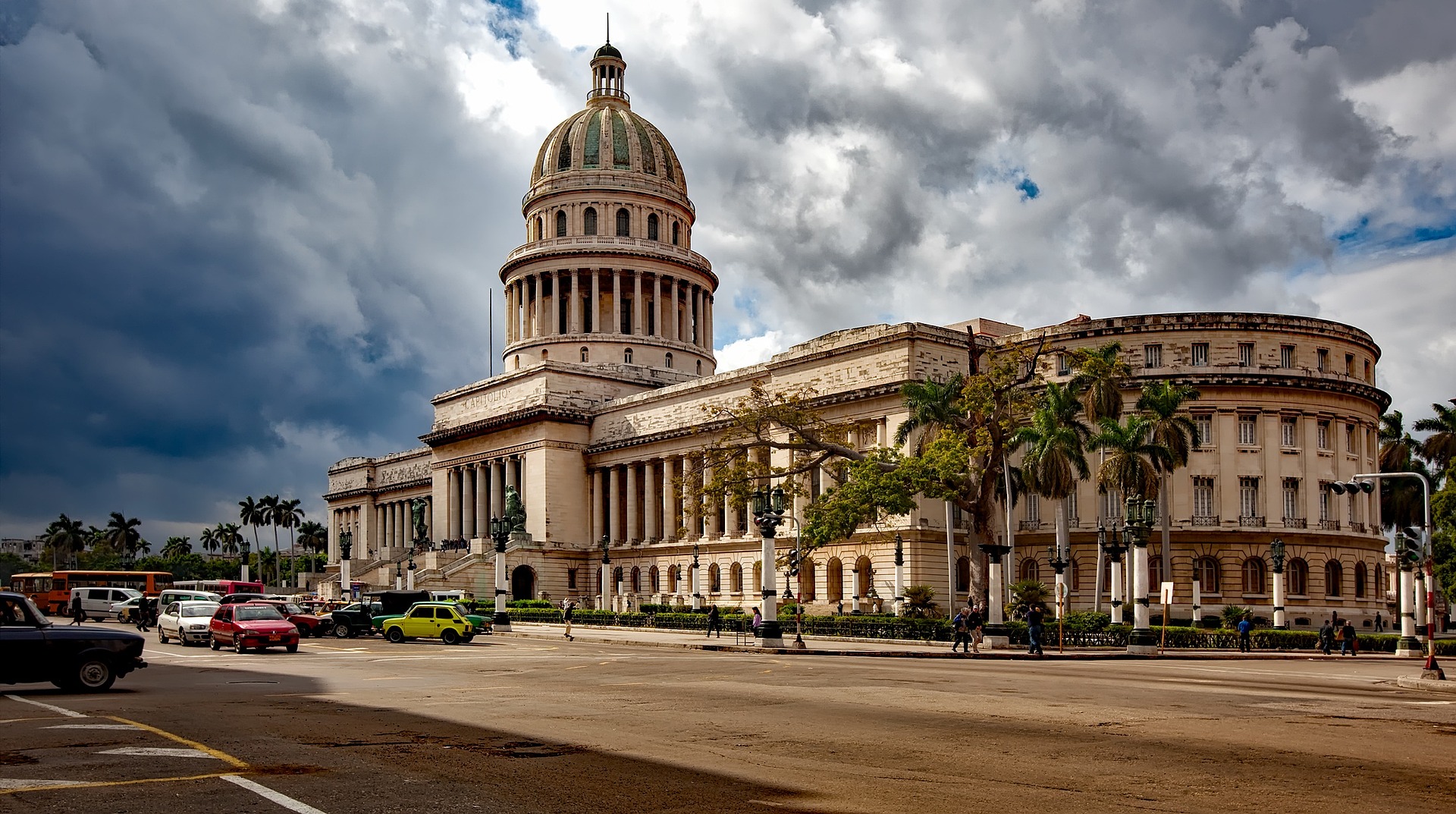
Cuba, an island nation in the Caribbean, is renowned for its vibrant culture, historical significance, and resilient people. However, one of the most fascinating aspects of this nation is its unique economic structure. Over decades, Cuba has navigated through periods of economic prosperity, hardship, and transformation, shaped by its political ideology, international relations, and natural resources. This article delves into the intricacies of Cuba’s economy, exploring its historical context, current state, and future prospects while highlighting critical sectors and challenges.
Historical Overview of Cuba’s Economy
Cuba’s economy has undergone significant transformations over the past two centuries. During the colonial era, Cuba’s economy was predominantly agrarian, centered around sugar production. By the 19th century, the island became one of the world’s leading sugar exporters, heavily reliant on enslaved labor.
Following its independence from Spain in 1898 and subsequent U.S. influence, Cuba experienced economic growth driven by sugar, tobacco, and tourism. However, this prosperity was marred by deep social inequalities and reliance on foreign markets.
The 1959 Cuban Revolution marked a turning point. Under Fidel Castro’s leadership, the government nationalized major industries, redistributed land, and pursued a centrally planned socialist economy. While these policies initially improved education, healthcare, and social equality, they also led to inefficiencies and a decline in foreign investment.
The collapse of the Soviet Union in the early 1990s dealt a severe blow to Cuba, which had relied heavily on Soviet subsidies and trade. This period, known as the “Special Period,” was marked by economic contraction, food shortages, and widespread hardship. Since then, Cuba has pursued gradual economic reforms, opening certain sectors to private enterprise and foreign investment while maintaining its socialist framework.
Key Sectors of Cuba’s Economy
1. Tourism
Tourism is a cornerstone of Cuba’s economy. The island’s rich cultural heritage, pristine beaches, and historical landmarks attract millions of visitors annually. Havana, Trinidad, and Varadero are among the most popular destinations. In 2019, before the COVID-19 pandemic, Cuba welcomed over 4 million tourists, generating significant revenue.
The tourism sector is closely tied to international relations. For instance, the normalization of U.S.-Cuba relations under the Obama administration led to a surge in American visitors. Conversely, the reintroduction of restrictions under the Trump administration, combined with the pandemic, dealt a blow to this vital sector. Diversifying tourist markets beyond the U.S. remains a strategic focus for Cuba.
2. Agriculture
Agriculture remains a vital component of Cuba’s economy, though it has declined in relative importance. Key products include sugar, tobacco, coffee, and citrus fruits. Tobacco, in particular, is crucial due to the global fame of Cuban cigars.
Despite its potential, the sector faces challenges such as outdated infrastructure, limited access to modern technology, and a reliance on imports for food staples. The government has made efforts to boost domestic production and reduce import dependency, but progress has been slow. Innovations in sustainable farming and organic agriculture could provide future opportunities.
3. Healthcare and Biotechnology
Cuba is internationally recognized for its robust healthcare system and advancements in biotechnology. The country has developed vaccines, including those for COVID-19, and exports medical expertise worldwide. Medical tourism is another growing area, attracting patients seeking affordable and high-quality care. The biotechnology sector, focused on vaccines, cancer treatments, and biopharmaceuticals, continues to be a key export driver.
4. Nickel and Natural Resources
Cuba possesses significant nickel reserves, making it one of the world’s leading producers of this valuable mineral. Nickel is a crucial export, particularly to China. However, fluctuating global prices and environmental concerns pose challenges to this sector. Other natural resources, such as cobalt and petroleum, also hold economic potential but require further investment.
The Role of Government and Central Planning
Cuba’s socialist economy is characterized by central planning, with the state controlling most industries and resources. While this model has enabled the government to prioritize social welfare, it has also led to inefficiencies, bureaucracy, and limited innovation.
In recent years, Cuba has introduced reforms to stimulate economic growth. These include allowing small private businesses, encouraging foreign investment, and expanding the role of cooperatives. However, these changes remain cautious and are often hindered by political resistance and external factors.
Challenges Facing Cuba’s Economy
1. U.S. Economic Embargo
The U.S. embargo, in place since the early 1960s, has significantly impacted Cuba’s economy. It restricts trade, limits access to international financing, and discourages foreign investment. While some administrations have sought to ease these restrictions, others have tightened them, creating an uncertain economic environment. The embargo’s ripple effects are felt across tourism, healthcare, and industrial sectors.
2. Dual Currency System
Until recently, Cuba operated a dual currency system, with the Cuban Peso (CUP) and the Convertible Peso (CUC). This system created economic distortions and inequalities. In January 2021, Cuba implemented monetary unification, eliminating the CUC. While this reform aims to simplify the economy, it has led to inflation, supply chain disruptions, and other short-term challenges. Balancing these impacts with long-term benefits remains critical.
3. Infrastructure and Technology
Aging infrastructure and limited access to modern technology hinder economic development. Investments in transportation, energy, and digital infrastructure are critical for boosting productivity and attracting foreign investment. Internet accessibility and digital literacy are growing priorities, with significant implications for e-commerce and remote work.
4. Climate Change
As a Caribbean nation, Cuba is highly vulnerable to climate change. Rising sea levels, hurricanes, and changing weather patterns threaten agriculture, tourism, and coastal communities. Addressing these challenges requires significant resources and international cooperation. Cuba’s efforts in disaster preparedness and renewable energy adoption are steps in the right direction but need scaling up.
Future Prospects and Opportunities
1. Economic Reforms
Continued economic reforms could unlock Cuba’s potential. Expanding private enterprise, reducing bureaucratic barriers, and fostering innovation are crucial steps. Encouragingly, the government has shown a willingness to experiment with market-oriented policies while maintaining its socialist principles. Measures to support entrepreneurship and small businesses are particularly promising.
2. Foreign Investment
Attracting foreign investment is vital for revitalizing Cuba’s economy. Sectors such as tourism, renewable energy, and biotechnology offer significant opportunities. The Mariel Special Development Zone, a free-trade area, aims to attract investors by offering tax incentives and streamlined procedures. Building investor confidence through transparency and consistent policies is essential.
3. Regional and Global Integration
Cuba’s membership in regional organizations like the Caribbean Community (CARICOM) and alliances with countries like China, Russia, and Venezuela provide economic opportunities. Strengthening these relationships and diversifying trade partners can reduce reliance on any single nation. Collaborations with international organizations could also provide access to development aid and expertise.
4. Renewable Energy
Cuba has set ambitious renewable energy goals, aiming to generate 24% of its electricity from renewable sources by 2030. Investments in solar, wind, and biomass energy not only address environmental concerns but also reduce dependency on imported fossil fuels. Projects like solar farms and wind energy parks hold promise for long-term energy sustainability.
5. Digital Transformation
Digital transformation is an emerging opportunity for Cuba’s economy. Expanding internet access and investing in digital infrastructure could foster innovation, improve education, and support new business models. E-commerce, fintech, and online services are areas with significant growth potential.
Conclusion
Cuba’s economy is a complex tapestry woven from its socialist foundations, rich natural resources, and resilient population. While challenges such as the U.S. embargo, infrastructure deficits, and climate change persist, the nation’s commitment to reform and innovation offers hope for a brighter future. By balancing its socialist ideals with pragmatic economic policies, Cuba has the potential to achieve sustainable development and improve the livelihoods of its people.
In a rapidly changing global landscape, Cuba’s ability to adapt and embrace opportunities will determine its economic trajectory. With strategic planning, international cooperation, and the indomitable spirit of its people, Cuba can navigate its challenges and build a prosperous future. Strengthening critical sectors, fostering innovation, and embracing global integration are essential steps toward realizing this vision.