
 By admin

A Comprehensive and Affordable Guide to Effective Allergy Relief: Updated Strategies for 2024–2025
Introduction
Allergies are no longer a seasonal inconvenience—they have become a year-round health challenge for millions. As climate change drives longer pollen seasons, air pollution worsens, and indoor environments become more tightly sealed, allergy symptoms are escalating in both frequency and severity. Whether you suffer from allergic rhinitis, eczema, asthma, sinus congestion, or sensitivity to dust mites, pet dander, mold, or food triggers, the impact on daily life can be profound. Constant sneezing, itchy eyes, fatigue, breathing difficulties, and skin irritation can disrupt sleep, impair productivity, and significantly reduce overall well-being.
Unfortunately, allergy relief can be expensive. Consultation fees, diagnostic testing, prescription medications, air purifiers, and ongoing treatments like immunotherapy often create financial barriers, especially for individuals with limited or no health insurance. This forces many allergy sufferers to choose between managing symptoms and meeting other essential needs.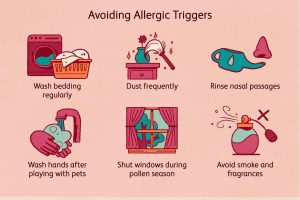
The good news? Achieving meaningful, long-term allergy relief does not always require costly treatments. With strategic planning, smart product choices, lifestyle modifications, and evidence-based natural remedies, you can dramatically reduce symptoms without overspending. This updated 2024–2025 guide provides a comprehensive, budget-friendly approach to managing allergies using the latest research, modern insights, and practical solutions that anyone can implement.
A Modern Roadmap to Affordable Allergy Relief
I. Making the Most of Healthcare Resources
A. Using Health Insurance and Primary Care to Your Advantage
If you have health insurance, your primary care physician (PCP) should be your first point of contact. Many insurance plans now include:
- Telemedicine consultations at low or no cost
- Preventive screenings and physical exams
- Coverage for generic allergy medications
- Referrals for specialist care when needed
To maximize the effectiveness of these visits, prepare thoroughly:
- Document symptoms: Include frequency, triggers, severity, and patterns.
- Track environmental exposures: Indoor dust, pollen levels, foods, pets, or mold.
- List medications and supplements you are currently taking.
- Describe how symptoms affect daily life, including sleep, work, and exercise.
This comprehensive information helps your doctor develop an accurate diagnosis and cost-effective treatment plan. Most PCPs prescribe generic second-generation antihistamines, such as:
- Cetirizine
- Loratadine

- Fexofenadine
Generics are often identical in active ingredients to name-brand medications but cost significantly less. Your physician may also recommend generic nasal corticosteroids like fluticasone or triamcinolone, which offer powerful symptom relief at a minimal cost.
B. Smart Healthcare Strategies for the Uninsured or Underinsured
If you do not have insurance, you can still access effective and affordable allergy care:
1. Community Health Clinics and FQHCs
These centers offer:
- Sliding-scale payment options
- Basic allergy diagnosis
- Low-cost consultations and medications
- Affordable referrals when necessary
2. Affordable OTC Medication Choices
Retail pharmacies and large store chains now provide a wide range of over-the-counter allergy relief options, including:
- Non-drowsy antihistamines
- Nasal corticosteroids
- Eye drops for allergy-related irritation
When comparing products, focus on the active ingredient, not the brand name. Many store-brand products are chemically identical to the brand-name versions.
3. Pharmacist Consultations
Pharmacists can:
- Explain how medications work
- Help avoid drug interactions
- Provide low-cost alternatives

- Suggest OTC combinations for targeted relief
4. Online Health Platforms
Websites such as Healthline, Mayo Clinic, WebMD, and patient forums offer:
- Comparative medication reviews
- Updated research
- Symptom management tips
- Insight into others’ experiences with OTC products
These tools help you make informed, affordable decisions about your allergy care.
II. Mastering Environmental Control to Reduce Allergens at the Source
Environmental allergens are a primary trigger of symptoms, making home optimization one of the most powerful—and cost-effective—long-term strategies.
A. Transforming Your Home into an Allergy-Resistant Sanctuary
1. Dust Mite Reduction Strategies
Dust mites thrive in bedding, pillows, carpets, and upholstery. To reduce their presence:
- Wash bedding weekly in hot water at 130°F (54°C) or higher.
- Use allergen-proof covers for pillows, mattresses, and duvets.
- Replace old pillows and mattresses when possible.

- Vacuum twice weekly using a HEPA-filter vacuum cleaner.
HEPA filters trap microscopic allergens that standard vacuums recirculate into the air.
2. Enhancing Indoor Air Quality
Modern HEPA air purifiers are more affordable than ever. To maximize their benefit:
- Place a unit in your bedroom, where you spend the most time.
- Run purifiers continuously during high pollen seasons.
- Clean or replace filters on schedule.
Additionally:
- Keep windows closed on high-pollen days.
- Use air conditioning instead of natural ventilation.
- Maintain indoor humidity between 30–50% to prevent mold growth.
3. Controlling Mold Growth
Even low levels of mold can trigger powerful allergic reactions. Prevent it by:
- Running dehumidifiers in damp areas
- Fixing leaks promptly
- Keeping bathrooms well-ventilated
- Cleaning mold with safe, inexpensive solutions such as vinegar and water
B. Managing Pet Allergies and Outdoor Allergen Exposure
1. Living Comfortably with Pets
Rehoming a beloved pet is often unthinkable, so instead:
- Establish strict pet-free zones, especially the bedroom.
- Bathe pets weekly or use pet dander wipes.
- Use HEPA air purifiers near pet resting areas.
- Vacuum upholstery frequently.
2. Minimizing Outdoor Allergen Exposure
For outdoor allergies:
- Avoid outdoor activities during peak pollen times—typically early morning.
- Shower and change clothes immediately when arriving home.
- Use indoor drying racks rather than drying clothes outside.
- Monitor local pollen counts via weather apps.
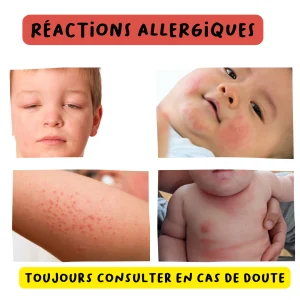
Taking small, consistent steps can significantly reduce symptoms.
III. Diet, Supplements, and Natural Remedies for Allergy Support
Food choices and natural remedies can help calm the immune system and reduce inflammation.
A. Anti-Inflammatory Nutrition for Allergy Management
An anti-inflammatory diet strengthens overall immune function. Focus on:
1. Foods Rich in Quercetin
Quercetin is a natural antihistamine found in:
- Apples
- Onions
- Berries
- Leafy greens
- Capers
Adding these to daily meals may help stabilize mast cells and reduce histamine release.
2. Omega-3 Fatty Acids
Omega-3s have strong anti-inflammatory effects, making them beneficial for asthma and allergic rhinitis. Top sources include:
- Salmon
- Sardines
- Chia seeds
- Walnuts
- Flaxseed oil
3. Probiotics for Gut-Immune Balance
Probiotics support gut health, which plays an important role in immune response. Sources include:
- Yogurt
- Kefir
- Kimchi
- Fermented vegetables
A balanced gut microbiome can reduce systemic inflammation and allergy severity.
4. Local Raw Honey
Some individuals report improvement in pollen allergies by consuming a teaspoon of local raw honey daily. While scientific evidence is mixed, anecdotal support suggests that the micro-exposure to local pollen may help build resilience.
B. Evidence-Based Natural and Topical Remedies
1. Stinging Nettle Leaf
Available as capsules or tea, stinging nettle has mild antihistamine properties and may help reduce sneezing and itching.
2. Green Tea
Green tea contains EGCG, an antioxidant that may inhibit the allergic response.
3. Saline Nasal Rinses
A neti pot or squeeze bottle filled with sterile saline can:
- Flush out allergens
- Reduce congestion

Little blond boy sneezing due to allergy related problems, on a sunny day outdoors. He is holding a handkerchief in his hands, looking away. Copy space available. - Improve nasal comfort immediately
This is one of the simplest and most cost-effective remedies available.
4. Colloidal Oatmeal Baths
For skin irritation, hives, or eczema, oatmeal baths provide soothing relief and reduce inflammation.
IV. Building Long-Term Resilience and Exploring Advanced Treatments
Modern allergy management is not just about immediate relief—it’s about preventing worsening over time.
A. Lifestyle Habits to Strengthen the Immune System
1. Stress Reduction
Chronic stress increases inflammation and worsens allergy symptoms. Effective stress-management techniques include:
- Meditation
- Yoga
- Deep breathing
- Nature walks
- Journaling
Reducing stress may decrease the severity of allergic reactions.
2. Regular Exercise
Moderate indoor exercise can:
- Improve lung function
- Reduce inflammation
- Boost overall immunity
However, outdoor exercise during high pollen days should be minimized.
B. Considering Advanced Medical Options
1. Allergen Immunotherapy
For severe, persistent allergies, immunotherapy may be the only long-term solution. This includes:
- Allergy shots
- Sublingual tablets
- Oral drops
Though initially costly, immunotherapy can:
- Permanently reduce allergy sensitivity
- Decrease medication dependency
- Improve quality of life
- Prevent the development of asthma in children
Ask an allergist whether you are a candidate. Many clinics also offer:
- Payment plans
- Financial assistance programs
- Sliding-scale options
Conclusion
Allergies may be more common and severe in today’s world, but relief is both achievable and affordable. By strategically using healthcare resources, optimizing your home environment, adopting nutritional and natural remedies, and building healthy lifestyle habits, you can reduce symptoms significantly without overwhelming expenses. Allergy management is deeply personal and often requires experimentation, patience, and consistency. With the strategies outlined in this guide, you can build a powerful, budget-friendly plan that restores comfort, enhances well-being, and gives you control over your daily life—proving that effective allergy relief is possible for every individual, regardless of budget.