
 By admin
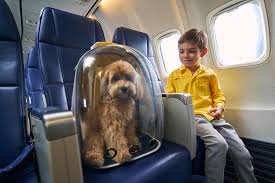
A Complete, Modern, and Professional Guide to Stress-Free Animal Air Travel
Introduction
As global mobility increases and pets become deeply integrated into family life, air travel with animals has evolved from a rare occurrence into a mainstream necessity. Whether driven by international relocation, academic or professional pursuits, extended vacations, or emergency circumstances, millions of passengers now choose to bring their pets on flights each year. Yet despite its rising popularity, pet air travel remains a highly sensitive process—one governed by complex airline policies, stringent veterinary regulations, and crucial welfare considerations that vary dramatically across regions and carriers.
Flying with a pet is far more than securing a reservation or selecting a suitable carrier. It requires mastering an intricate system of documentation, anticipating logistic challenges, and understanding the psychological and physical needs of animals during travel. For many pet owners, the journey can feel overwhelming—but with proper knowledge, planning, and adherence to best practices, the experience can be safe, humane, and surprisingly smooth.
This comprehensive guide offers an in-depth look at modern pet air travel—from early planning and airline compliance to equipment standards, health preparation, and stress-minimization techniques. Whether traveling with a small dog, a senior cat, or a large-breed companion, this article delivers the updated insights, practical steps, and ethical considerations needed to ensure that both you and your pet navigate the skies securely and comfortably.
Body
I. Laying the Foundations: Policies, Authorization, and Strategic Early Planning
The success of any pet travel experience lies in the groundwork. Preparation should begin weeks or even months before your scheduled departure.
1. Researching Airline Policies Thoroughly
Assuming that all airlines accept pets—or that they follow similar rules—is the first major pitfall that travelers encounter.
a. Breed and Species Regulations
Airlines have drastically refined their policies over the past decade due to safety incidents, veterinary insights, and logistics:
- Brachycephalic breeds, including Pugs, French Bulldogs, Boxers, and Persian cats, face heightened restrictions due to their vulnerability to respiratory issues. Some airlines ban them entirely from cargo transport.
- Non-traditional pets, such as birds, ferrets, and small mammals, may be allowed on certain carriers but banned on others.
- Exotic species—reptiles, amphibians, primates—are almost universally prohibited due to regulatory complications and welfare risks.
Because policies vary widely, owners must confirm
both general guidelines and pet-specific exceptions.
b. Route and Aircraft Limitations
Airline approval for pet travel can change based on:
- The destination (especially international flights).
- The aircraft type, since under-seat space varies.
- Weather conditions, with many airlines suspending cargo pet travel during extreme heat or cold.
- Country-specific import laws, which sometimes require quarantine.
These factors make it essential to cross-check each stage of the journey—not just the departing airport.
c. Direct Communication: An Essential Step
Relying solely on airline websites is risky. Policies updated online may still lag behind internal memos or country-specific alerts. Speaking directly with the airline’s pet handling department ensures that you:
- Confirm availability, since pet slots per flight are limited.
- Verify updated fees.
- Understand required documentation.
- Reserve your pet’s space in advance.
2. Understanding the Financial Commitment of Pet Travel
Bringing a pet onboard often incurs multiple non-negotiable fees.
a. In-Cabin Fees
Typically range from $95 to $150 per one-way flight, depending on the airline and region.
b. Cargo or Checked Pet Fees
These can exceed $200–$500+, depending on:
- The size and weight of the pet.
- Whether the flight is domestic or international.
- Seasonal restrictions or handling requirements.
Crucially, a pet carrier is not considered part of your regular luggage allowance. Every pet counts as an additional fee, and this must be factored into the travel budget.
II. The Cabin vs. Cargo Decision: Making a Safe, Ethical Choice
Selecting between cabin travel and cargo transport is one of the most influential decisions in the entire planning process.
1. In-Cabin Travel: The Gold Standard for Pet Comfort
Airlines generally permit only small dogs, cats, and birds inside the cabin.
a. Eligibility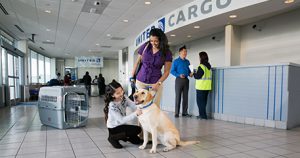
Eligibility typically depends on:
- A weight limit of 15–20 lbs including the carrier.
- The ability to fit comfortably under the seat.
- A compliant, airline-approved carrier.
b. Advantages
- Constant monitoring and reassurance from the owner.
- Controlled cabin temperature and pressure.
- No risk of mishandling during transfers.
c. Considerations
- The pet must remain fully enclosed inside the carrier.
- Space is tight, which may not suit anxious or highly active animals.
- Strong pet odors or loud vocalizations may inconvenience other passengers.
Despite these challenges, in-cabin travel remains the safest and most humane option.
2. Cargo or Checked Pet Travel: A More Regulated, Yet Sensitive Process
This option is reserved for pets too large for cabin travel.
a. The Modern Cargo System
Modern airline cargo systems for pets include:
- Temperature-controlled waiting areas.
- Specialized loading procedures.
- Real-time tracking systems (on select airlines).
- Staff trained in live animal handling.
These advancements have significantly reduced historical risks.
b. Safety Concerns and Risk Management
Although safer than before, cargo travel still presents challenges:
- Exposure to external temperatures during loading.
- Psychological stress from separation.
- Possible delays during long transfers.
- Airlines suspending transport during extreme weather seasons.
Ultimately, pet owners must weigh these factors with professional guidance from veterinarians.
III. Compliance and Animal Welfare: Veterinary Protocols, Documentation, and Equipment
A crucial component of pet air travel is meeting medical, legal, and equipment standards.
1. Veterinary Requirements and Health Documentation
a. Mandatory Health Certificate
Most airlines require a health certificate issued within 10 days of travel, stating that:
- The pet is healthy and fit for transport.
- All vaccinations are current.
- No infectious disease risk is present.
International destinations often require additional forms approved by government veterinary authorities.
b. Vaccinations and Microchip Regulations
Key requirements include:
- Rabies vaccination, valid within specific timelines.
- Core vaccines (e.g., DAPP for dogs, FVRCP for cats).
- An ISO-compliant microchip for identification.
Some countries require the chip before the rabies vaccine, making scheduling extremely important.
c. Special Health Evaluations
At-risk breeds or senior animals may require:
- Fitness-to-fly evaluations.
- Additional respiratory or cardiovascular assessments.
- Documentation of breed type with photos (in case of misidentification).
2. The Pet Carrier: The Animal’s Mobile Safety Environment
a. In-Cabin Carrier Rules
Carriers must be:
- Leak-proof and fully ventilated.
- Soft-sided or semi-rigid for flexible under-seat fitting.
- Comfortable enough for the pet to move naturally.
b. Cargo Crate Requirements (IATA Standards)
Cargo carriers must:
- Be made of hard plastic or reinforced material.
- Include ventilation on all sides.
- Have secure bolts—not sliding clips.
- Allow natural movement (stand, lie, turn around).
c. Preparation and Labeling
Every carrier should display:
- “LIVE ANIMAL” stickers.
- Owner contact details.
- Feeding instructions.
- Final destination information.
Allowing the pet to acclimate to the carrier weeks in advance significantly reduces anxiety.
IV. Reducing Stress and Maximizing Comfort: Advanced, Science-Based Strategies
While regulations ensure safety, comfort relies on thoughtful preparation and behavioral management.
1. Booking Smart: Choosing the Best Flight Plan
a. Prioritize Direct Flights
Direct flights eliminate:
- Mishandling risks during transfers.
- Exposure to extreme temperatures.
- Delays that prolong the pet’s time in a crate.
b. Optimal Time Selection
Choose flights with moderate temperatures:
- Early morning or late evening in summer.
- Midday flights during winter.
2. Pre-Flight Preparation for Physical and Emotional Well-Being
a. Feeding and Hydration
To avoid nausea:
- Give a light meal 4–6 hours before the flight.
- Keep water available until check-in.
b. Exercise and Anxiety Control
Effective techniques include:
- Long walks or play sessions before departure.
- Pheromone sprays (e.g., Adaptil, Feliway).
- Anxiety wraps.
Sedation is generally discouraged due to the unpredictable effects of sedatives at high altitudes.
c. Communication with Airline Staff
You should always notify:
- Check-in agents.
- Gate personnel.
- Flight attendants.
- (For cargo pets) Ground handling staff.
Informing the crew creates awareness and enhances the likelihood of proper handling.
Conclusion
Air travel with pets is a serious responsibility that requires patience, preparation, and informed decision-making. With airline policies constantly evolving and the welfare of animals at the forefront of global discussions, travelers must approach the process with diligence and empathy. By researching airlines thoroughly, choosing the safest travel method, fulfilling all veterinary requirements, and implementing stress-reduction techniques, pet owners can dramatically improve the experience for both themselves and their animals.
Ultimately, flying with a pet is not just about logistics—it is an expression of commitment to a beloved family member. With the right mindset and preparation, the journey becomes not an ordeal, but a safe and meaningful transition that strengthens the bond between humans and their animal companions.
How to Travel by Air Without Breaking the Bank