
 By admin
The Ultimate Guide to a New Aquarium Setup: Mastering the Nitrogen Cycle for a Thriving Aquatic Environment
Introduction
Setting up a new aquarium is more than just arranging water, fish, and decorations—it is the careful creation of an entire living ecosystem. While the idea of owning an aquarium is thrilling, many beginners unknowingly embark on this journey without understanding the biological foundations necessary for success. This leads to the common and devastating phenomenon known as New Tank Syndrome, where fish suffer or die due to toxic water conditions caused by improper cycling.
This comprehensive guide aims to elevate beginners into confident and knowledgeable aquarists by explaining the modern science behind the aquarium nitrogen cycle, outlining a step-by-step setup process, and highlighting the best practices for long-term tank stability. Drawing from current aquatic research, advancements in filtration technology, and proven aquarium-keeping methodologies, this article will equip you with the skills and knowledge necessary to build a healthy, resilient aquatic habitat that flourishes from day one.
The Science of Stability: Understanding the Aquarium Nitrogen Cycle
Establishing the nitrogen cycle is the single most important step in setting up a healthy aquarium. Without it, toxic compounds created from fish waste quickly accumulate, creating an environment unfit for life.
The Three-Stage Process: Ammonia, Nitrite, and Nitrate
Every time fish excrete waste, uneaten food breaks down, or plant matter decays, the result is the production of ammonia (NH₃)—a highly toxic substance. To neutralize ammonia, beneficial bacteria must establish themselves in the tank.
Stage 1: Ammonia Formation
Ammonia accumulates in all new aquariums because there is no established biological filter to break it down. Even low levels can burn fish gills, damage organs, and cause fatal stress.
Stage 2: Nitrite Conversion (Nitrosomonas Bacteria)
The first group of beneficial bacteria—Nitrosomonas—develops on surfaces such as filter media, substrate, and decorations. These bacteria convert ammonia into nitrite (NO₂⁻). Nitrite, while less immediately toxic, remains extremely harmful to fish as it interferes with oxygen transport in the bloodstream.
Stage 3: Nitrate Conversion (Nitrospira / Nitrobacter)
A second bacterial colony, traditionally identified as Nitrobacter, and more recently understood to be primarily Nitrospira, converts nitrite into nitrate (NO₃⁻). Nitrate is far less toxic but must be managed through water changes, live plants, and regular maintenance.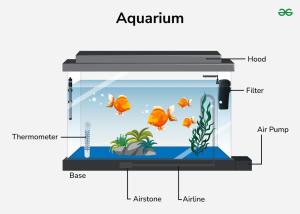
Why Cycling Your Aquarium Is Essential
A newly set-up aquarium does not contain enough nitrifying bacteria to handle waste. If fish are added too soon, ammonia and nitrite levels rise rapidly, poisoning them. This is why cycling the tank before adding fish is mandatory.
Modern aquarium science offers several effective cycling methods:
1. Fishless Cycling (Most Recommended)
This humane and controlled method uses a pure ammonia source (e.g., ammonium chloride) to feed bacteria without harming fish. The cycle progresses as follows:
- Ammonia rises, then falls.
- Nitrite rises, then falls.
- Nitrate rises last.
You know the cycle is complete when:
Ammonia and nitrite return to zero within 24 hours after dosing with ammonia.
Using a liquid reagent test kit is crucial, as test strips are less accurate.
2. Seeded Media Cycling
Beneficial bacteria from an established aquarium can significantly reduce cycling time. This can be done by transferring:
- Used filter media
- Old substrate
- Rocks or décor
High-quality, refrigerated bacterial starter cultures also help but should not be considered instant solutions.
3. The Outdated “Hardy Fish” Method
Historically, beginners used hardy fish species like zebra danios to cycle tanks. This method is now discouraged due to its cruelty and the long-term health damage caused to the fish.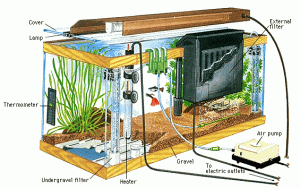
Modern fishkeeping universally recommends fishless cycling instead.
Step-by-Step Guide to Setting Up Your New Aquarium
With a clear understanding of the nitrogen cycle, you can begin building your aquarium with precision and confidence.
Phase 1: Planning and Preparation
Choosing the Right Tank Size
Counterintuitively, larger tanks (20 gallons or more) are much easier for beginners because they maintain stable water parameters and dilute toxins more effectively.
Finding the Ideal Location
Select a spot that meets the following criteria:
- Completely level surface
- Away from direct sunlight
- Away from heating/cooling vents
- Near electrical outlets
Use a purpose-built aquarium stand to support the tank’s weight.
Preparing the Substrate and Décor
Rinse gravel or sand until the water runs clear. Arrange hardscape elements such as:
- Rocks
- Driftwood
- Artificial or live plants
Add the heater, filter, thermometer, and lighting system.
Phase 2: Starting the Nitrogen Cycle
Filling the Tank
Use tap water treated with a dechlorinator to neutralize chlorine and chloramine.
Beginning the Cycling Process
Depending on your chosen method, begin dosing ammonia or adding seeded media. Run all equipment continuously.
Testing Water Parameters
Monitor the following every 48 hours:
- Ammonia
- Nitrite
- Nitrate
- pH
Keeping a log helps visualize progress and detect abnormalities early.
Phase 3: Adding Fish the Right Way
Once your cycle is complete:
Perform a Large Water Change
A 50–70% water change reduces nitrate levels before introducing fish.
Quarantine New Fish (Highly Recommended)
A separate tank used for 2–4 weeks helps prevent introducing parasites or disease into your main aquarium.
Proper Acclimation
Use the following steps:
- Float the sealed fish bag for 15–20 minutes to equalize temperature.
- Gradually add tank water to the bag over 30–45 minutes.
- Transfer the fish using a net—never pour bag water into the tank.
Stocking Slowly
Avoid outdated rules like “one inch of fish per gallon.” Consider:
- Adult size
- Activity level
- Territory needs
- Waste production
Add new fish gradually so the bacterial colonies can adjust.
Long-Term Care: Maintaining a Healthy and Balanced Aquarium
A cycled tank is only the beginning. Proper maintenance prevents water quality issues and promotes long-term aquatic health.
Feeding Practices for Healthy Fish
Overfeeding is the most common cause of poor water quality. Follow these modern guidelines:
- Feed high-quality, species-appropriate foods.
- Offer only what fish can consume within two minutes.
- Feed 1–2 times daily.
- Implement one fasting day per week.
The Importance of Regular Water Changes
Weekly water changes remove impurities and replenish essential minerals.
General Guidelines:
- Change 10–25% of the water weekly.
- Use gravel vacuums to remove waste.
- Treat new water with conditioner.
- Match temperature to the tank.
Maintaining the Filtration System
Your filter hosts the majority of beneficial bacteria.
Best Practices:
- Rinse sponges and floss in removed tank water, not tap water.
- Replace chemical media (carbon, resins, etc.) as recommended.
- Avoid replacing all filter media at once.
Advanced hobbyists may also use:
- Phosphate removers
- Biological enhancers
- Specialized mechanical filters
Monitoring Water Chemistry
Weekly testing ensures tank stability. Key parameters include:
- Ammonia
- Nitrite
- Nitrate
- pH
- GH (general hardness)
- KH (carbonate hardness)
Sudden changes often indicate problems such as:
- Overfeeding
- Filter malfunction
- Dead fish or snails
- Tap water inconsistencies
Observing Fish Behavior and Preventing Disease
Healthy fish typically exhibit:
- Bright coloration
- Active, natural swimming
- Strong appetite
- Clean, intact fins
Warning signs include:
- Lethargy
- Clamped fins
- Flashing or rubbing on objects
- Rapid breathing
- Loss of appetite
- Hovering at the surface
Quick action—usually in a quarantine tank—prevents widespread illness.
Conclusion
Setting up a new aquarium is an immersive and rewarding experience that blends biology, technology, and careful observation. By mastering the nitrogen cycle, following a structured setup plan, and maintaining consistent care routines, you create a healthy aquatic habitat where fish can thrive.
With patience, knowledge, and commitment, your aquarium will grow from a simple glass tank into a thriving underwater world—one that brings beauty, tranquility, and fascination into your home for years to come. Whether you’re a beginner or an aspiring aquarist, embracing these principles ensures long-term success and creates a stable, vibrant aquatic ecosystem.