
 By admin
Introduction
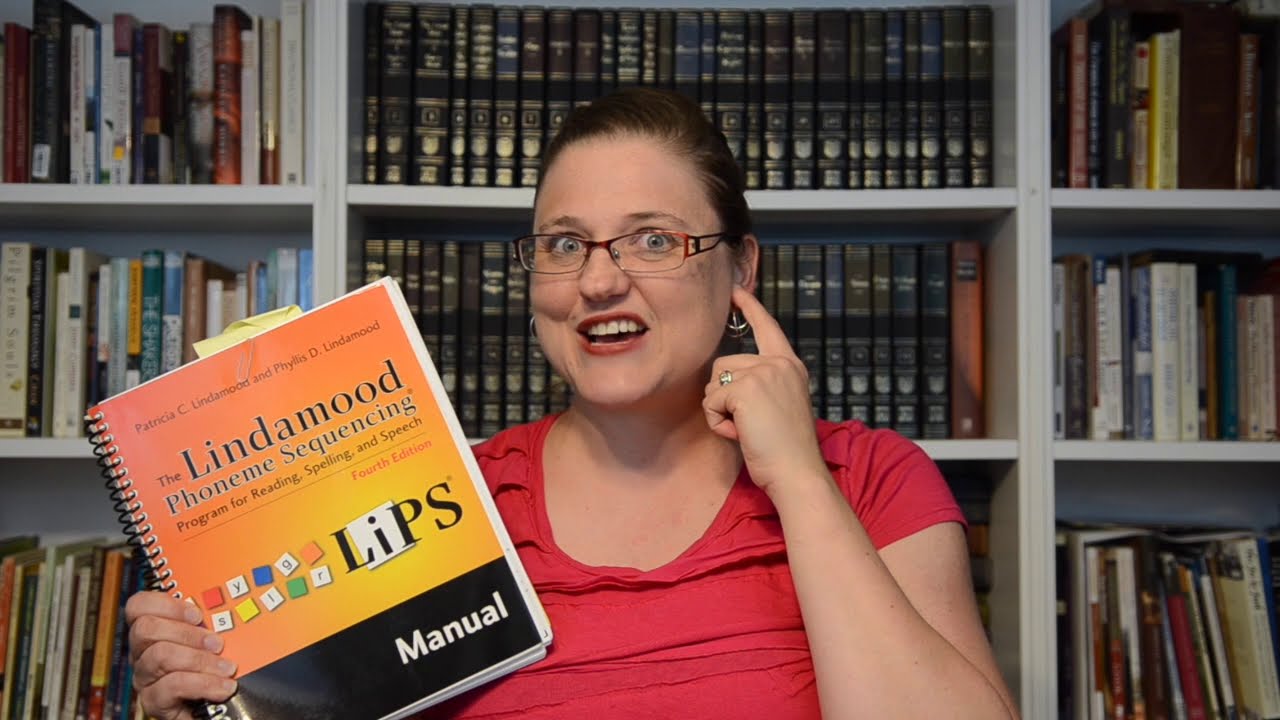
Adult dyslexia remains one of the most misunderstood learning differences, often hidden behind coping mechanisms, self-doubt, and years of misdiagnosis. While many people associate dyslexia with children, millions of adults continue to struggle with phonological processing, decoding written language, and confidently using reading and writing in their daily lives. Fortunately, modern interventions have evolved substantially over the past few decades. Among the most researched and effective programs designed to address the foundational causes of dyslexia is the Lindamood Phoneme Sequencing Program (LiPS).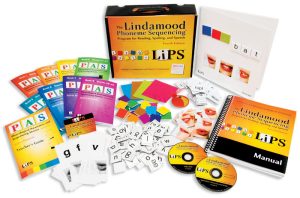
Unlike traditional reading approaches that rely heavily on visual memorization or contextual guessing, the LiPS program targets the root of reading difficulty: the sensory-cognitive ability to perceive, identify, sequence, and manipulate the individual sounds of language—known as phonemic awareness. Through structured, multisensory instruction, LiPS helps adults understand how speech sounds are produced, how they map onto written text, and how to correct long-standing errors in reading, spelling, writing, and pronunciation.
This comprehensive article explores the LiPS program in depth—its scientific foundation, methodology, program components, training intensity, expected outcomes, and availability. It also highlights how LiPS differs from traditional literacy programs and why it is considered one of the most effective tools for adults seeking to overcome dyslexia.
Main Content
1. Understanding Adult Dyslexia
1.1 The Nature of Dyslexia in Adults
Adult dyslexia is not a sign of low intelligence, lack of effort, or poor educational background. Instead, it is a neurobiological learning difference affecting how the brain processes language. Adults with dyslexia often experience challenges such as:
- Difficulty decoding unfamiliar words
- Frequent spelling errors
- Slow reading speed
- Mispronunciation of complex or unfamiliar terms
- Trouble learning a second language
- Poor phonological awareness
- Difficulty following oral or written instructions
These challenges can affect professional performance, academic pursuits, daily communication, and—most importantly—self-esteem.
1.2 The Core Problem: Weak Phoneme Awareness
A fundamental characteristic of dyslexia is a weakness in phonological processing, particularly in identifying, sequencing, and manipulating phonemes, the smallest units of sound in speech. When phonemic awareness is underdeveloped, individuals may:
- Reverse letters or sounds
- Add or omit sounds in words
- Substitute one sound for another
- Struggle to detect errors when reading aloud

- Misinterpret written text even when visually recognizing letters
Because of this, dyslexic adults often see the correct letters on the page yet cannot match them to accurate speech sounds. This disconnect makes reading, spelling, and fluency extremely difficult.
2. The Lindamood Phoneme Sequencing Program (LiPS)
2.1 The Core Premise of LiPS
The LiPS program is built on the premise that poor phonemic awareness—not visual perception—is the primary cause of dyslexic reading difficulties. It proposes that individuals with dyslexia often lack awareness of how the mouth moves to produce specific speech sounds. Since they cannot feel, identify, or sequence sounds while speaking, they struggle even more when these sounds are represented by letters.
LiPS aims to correct this fundamental weakness through sensory-cognitive training, focusing on mouth movement patterns, auditory perception, and phoneme manipulation.
2.2 A Sensory-Cognitive Approach to Reading
Unlike programs that rely solely on auditory or visual learning, LiPS integrates:
- Kinesthetic awareness: feeling mouth movements
- Auditory awareness: hearing the differences between sounds
- Visual reinforcement: associating letters with phonemes
- Cognitive sequencing: understanding the order of sounds
This holistic approach helps adults internalize language at a structural level, enabling them to decode unfamiliar words with confidence.
3. How the LiPS Program Works
3.1 Identifying Speech Sound Features Through Mouth Actions
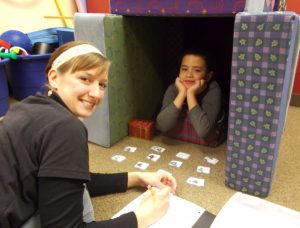
A central component of LiPS is teaching individuals how speech sounds are physically produced. Participants learn to observe and feel:
- Lip shape
- Tongue position
- Airflow
- Voicing (vibrating vs. non-vibrating sounds)
By understanding how these aspects combine to create each phoneme, adults develop accurate internal cues for identifying and reproducing sounds.
3.2 Verifying and Sequencing Sounds
Once learners recognize mouth actions, they begin mastering sound patterns:
- Identifying individual phonemes in a word
- Sequencing phonemes in the correct order
- Detecting errors in sequences
- Correcting mispronunciations
- Building phonological memory
This structured, step-by-step training helps adults rewire the way their brain processes language.
3.3 Applying Skills to Reading, Spelling, and Writing
After phoneme awareness becomes strong and automatic, LiPS transitions the learner to practical literacy applications:
- Converting sounds into letters (encoding)
- Converting letters into sounds (decoding)
- Building fluency in reading
- Strengthening spelling accuracy
- Improving clear and correct pronunciation
- Developing more confident oral communication
The goal is not only to remediate reading difficulties but to create long-term self-monitoring skills that prevent future errors.
4. Program Intensity and Duration
4.1 Intensive Training Model
LiPS is known for its effectiveness when delivered intensively. Learners participating in full-time programs typically do:
- 4 hours of therapy per day
- 4 to 6 weeks of training
Research shows that such an immersive approach can produce multiple grade-level improvements in decoding ability within a short time.
4.2 Flexible Instruction Options
Not all participants require the maximum intensity level. LiPS practitioners can tailor the program to the individual, offering:
- Moderate schedules
- Part-time sessions
- Weekly instruction
- Home-based practice
This makes the program accessible for adults balancing work, education, and family responsibilities.
4.3 Additional Benefits Beyond Reading
Studies indicate that LiPS often leads to improvements even after traditional speech therapy plateaus. Gains may include:
- Improved language comprehension
- Enhanced speech clarity
- Better verbal memory
- Strengthened cognitive sequencing
These positive effects demonstrate the deeper neurological impact of sensory-cognitive training.
5. Accessing the LiPS Program
5.1 Lindamood-Bell Learning Centers
LiPS is administered through Lindamood-Bell Learning Processes, with centers across:
- The United States
- The United Kingdom
- Several international locations
For adults unable to attend in person, online instruction has become increasingly available, offering real-time virtual tutoring with certified clinicians.
5.2 Program Materials and Tools
LiPS comes with a range of educational materials, including:
- Detailed training manuals
- Clinician and classroom kits
- Practice CDs and audio resources
- Training videos
- Testing and assessment tools
- Structured sample scripts
- Step-by-step instructional outlines
These tools ensure consistency and accuracy in program delivery.
5.3 Availability for Self-Study and Professional Use
While highly effective with a trained clinician, some LiPS materials are also accessible to:
- Teachers
- Speech-language pathologists
- Literacy instructors
- Parents
- Adult learners
However, maximum benefit usually comes from guided intervention.
6. Dyslexia and Related Conditions LiPS Can Address
6.1 Hyperlexia
In addition to dyslexia, LiPS is sometimes used to support individuals with hyperlexia, a condition characterized by:
- High word-reading ability
- Difficulty understanding what is read
- Challenges with language comprehension
LiPS strengthens the foundational sensory-cognitive skills necessary for meaningful comprehension.
6.2 Multilingual Learners
Adults learning a second language often struggle with:
- Pronunciation
- Sound discrimination
- New phonemes not present in their native language
By reinforcing phoneme recognition and mouth-movement awareness, LiPS improves second-language acquisition.
6.3 Speech and Language Impairments
LiPS is also suitable for individuals experiencing:
- Articulation issues
- Phonological processing disorders
- Speech clarity difficulties
Its sensory-cognitive techniques support clearer and more accurate speech production.
Conclusion
Adult dyslexia can significantly affect personal, academic, and professional life, but it does not have to be a lifelong barrier. The Lindamood Phoneme Sequencing Program (LiPS) offers a powerful, research-supported pathway for adults to rebuild their phonemic awareness, strengthen their linguistic foundation, and achieve measurable improvements in reading, spelling, writing, and speech.
By focusing on how sounds are physically produced and cognitively processed, LiPS provides a unique multisensory framework that addresses the root cause of dyslexia rather than just its symptoms. Whether pursued intensively or gradually, the program empowers adults with long-lasting skills, increased confidence, and a renewed ability to engage with written and spoken language.
For adults seeking meaningful, transformative progress in literacy, the LiPS program stands out as one of the most effective and scientifically grounded solutions available today.
Creative Arts and Crafts Project