
 By admin
Introduction: The Rising Cost of Air Travel
Air travel, once considered a luxury, has become a vital part of modern life—connecting families, fueling business, and enabling global exploration. Yet, with the increasing costs of tickets, baggage fees, and airport services, flying can quickly turn into a financial burden. The good news is that with a bit of strategic planning, awareness, and flexibility, travelers can dramatically cut down on expenses without sacrificing comfort or convenience.
This article provides a comprehensive guide on how to save money when traveling by air—covering smart booking practices, packing tips, airport strategies, and in-flight hacks—all backed by recent travel trends and cost-saving insights.
I. Smart Planning Before You Fly
1. Compare and Book Flights Strategically
One of the most effective ways to save money starts before you even reach the airport: by comparing airfare. Today’s online tools and flight aggregator websites such as Google Flights, Skyscanner, and Kayak make it easy to identify the cheapest available fares across multiple airlines.
a. Be Flexible with Dates and Times
Prices for airline tickets fluctuate dramatically depending on the day and time of travel. Flying midweek—especially on Tuesdays or Wednesdays—can save travelers up to 25% compared to weekend flights. Red-eye flights or early-morning departures are also often cheaper.
b. Use Fare Alerts and Loyalty Programs
Setting fare alerts helps travelers stay informed when ticket prices drop. Additionally, joining an airline’s frequent flyer or loyalty program can lead to long-term savings through discounts, upgrades, and free flights.
2. Choose the Right Airport
Many major cities are serviced by multiple airports, and fare differences can be significant. For instance, flying into a nearby secondary airport may save hundreds of dollars, especially in regions with competitive carriers.
a. Consider Proximity and Ground Transportation
Always weigh the cost of ground transportation when choosing your airport. Sometimes, paying slightly more for a ticket to a closer airport can save money on taxis, shuttles, or car rentals.
b. Check Alternative Airports
Exploring airports within a 30- to 60-minute drive can open new pricing options. Smaller airports may also offer cheaper parking, shorter security lines, and better overall efficiency.
II. Packing and Preparation: Avoid Hidden Costs
1. Know and Follow Airline Baggage Policies
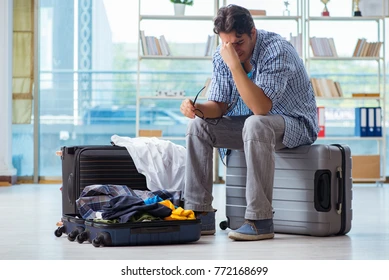
One of the most common financial pitfalls in air travel is baggage fees. Each airline has its own weight limits and size restrictions. Exceeding them can cost between $50–$200 per bag.
a. Travel Light and Smart
Opt for carry-on luggage whenever possible. Not only does this save money, but it also eliminates the risk of lost baggage. Invest in lightweight, compact suitcases and use packing cubes to maximize space.
b. Weigh Your Bags Before Departure
Many travelers underestimate how strict airlines are with baggage weight. A small digital luggage scale—costing around $10—can prevent costly overweight charges.
2. Be Aware of Security and TSA Rules
Security regulations are strict, and violations can lead to wasted time and money. For instance, bringing restricted liquids or sharp objects will result in confiscation.
a. Save by Packing Smart
Instead of purchasing beverages at the airport, bring an empty reusable water bottle and fill it at a fountain post-security. Similarly, avoid buying toiletries at inflated airport prices—use refillable travel-sized containers instead.
b. Carry Snacks
Airport snacks can be outrageously expensive. Instead, pack your own non-liquid foods such as nuts, chips, fruits, or sandwiches. These not only save money but also help you avoid the limited and often unhealthy options on board.
III. Airport and Ground Travel Savings
1. Save on Parking and Transportation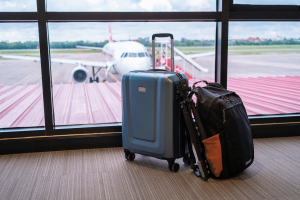
Parking at major airports can cost more than $20 per day, adding up quickly for long trips.
a. Arrange Drop-offs or Use Ridesharing
If possible, ask a family member or friend to drop you off and pick you up. Alternatively, consider ridesharing services such as Uber or Lyft, which can be cheaper than extended parking.
b. Compare Parking Options
When parking is unavoidable, explore off-site parking lots that offer free shuttles to terminals. These are often 30–50% cheaper than official airport lots.
2. Make the Most of Travel Apps and Technology
In the digital age, travel apps are a traveler’s best companion for saving time and money.
a. Use Navigation and Price-Tracking Tools
Apps like Hopper or Skyscanner can predict fare trends, while FlightAware keeps you updated on delays.
b. Leverage Digital Boarding and Rewards
Mobile check-in reduces printing costs and long queues. Airline apps often feature last-minute upgrade offers or exclusive in-app discounts.
IV. In-Flight Savings and Comfort
1. Bring Your Own Entertainment
Airlines often charge extra for headphones or premium entertainment. Bringing your own devices—tablets, e-readers, or smartphones—can save you both money and boredom.
a. Download Content in Advance
Use streaming services like Netflix or Spotify to download movies, shows, or playlists before your flight. Airplane Wi-Fi is usually slow and expensive, so this step saves both money and frustration.
b. Reuse Headphones
If you prefer to watch the in-flight movie, buy a pair of compatible headphones once and reuse them for future trips. Many airlines use the same jack system across their fleets.
2. Pack Comfort Essentials
Purchasing items like pillows, blankets, or eye masks onboard can add up quickly. Instead, bring your own compact travel kit. Not only is it more hygienic, but it also makes your flight more comfortable and cost-effective.
V. Smart Spending at Your Destination
1. Transportation at Arrival
Once you land, transportation costs can quickly eat into your budget. Compare options—such as public transit, airport shuttles, or ride-sharing apps—before your trip. In many cities, taking the train or metro from the airport can be ten times cheaper than a taxi.
2. Book Accommodation Wisely
Many airlines now partner with hotels to offer bundled deals. Booking flight-and-hotel packages together can lead to substantial savings, especially for long stays.
VI. Bonus Tips: Advanced Strategies for Frequent Flyers
1. Use Credit Card Points and Miles
Credit cards affiliated with airlines offer travel rewards such as free flights, upgrades, or airport lounge access. Paying for everyday expenses with a travel rewards card can earn miles faster than you think.
2. Sign Up for Travel Alerts and Newsletters
Subscribing to airline newsletters or deal websites like Secret Flying and The Flight Deal gives you early access to flash sales and error fares—sometimes up to 80% off regular prices.
3. Take Advantage of Off-Peak Seasons
Traveling outside of peak tourist seasons not only results in cheaper tickets but also less crowded airports and better overall experiences.
Conclusion: Fly Smarter, Spend Less
Air travel doesn’t have to drain your wallet. Whether you’re a frequent flyer or an occasional vacationer, saving money in the air is all about planning ahead, staying flexible, and being resourceful. From comparing fares and understanding baggage rules to bringing your own snacks and entertainment, every small step contributes to a more affordable journey.
The next time you prepare for a trip, remember that your financial comfort begins long before takeoff. With today’s digital tools and practical strategies, smart air travel is more achievable than ever.
Finding the Ideal Hotel in New York City