
 By admin
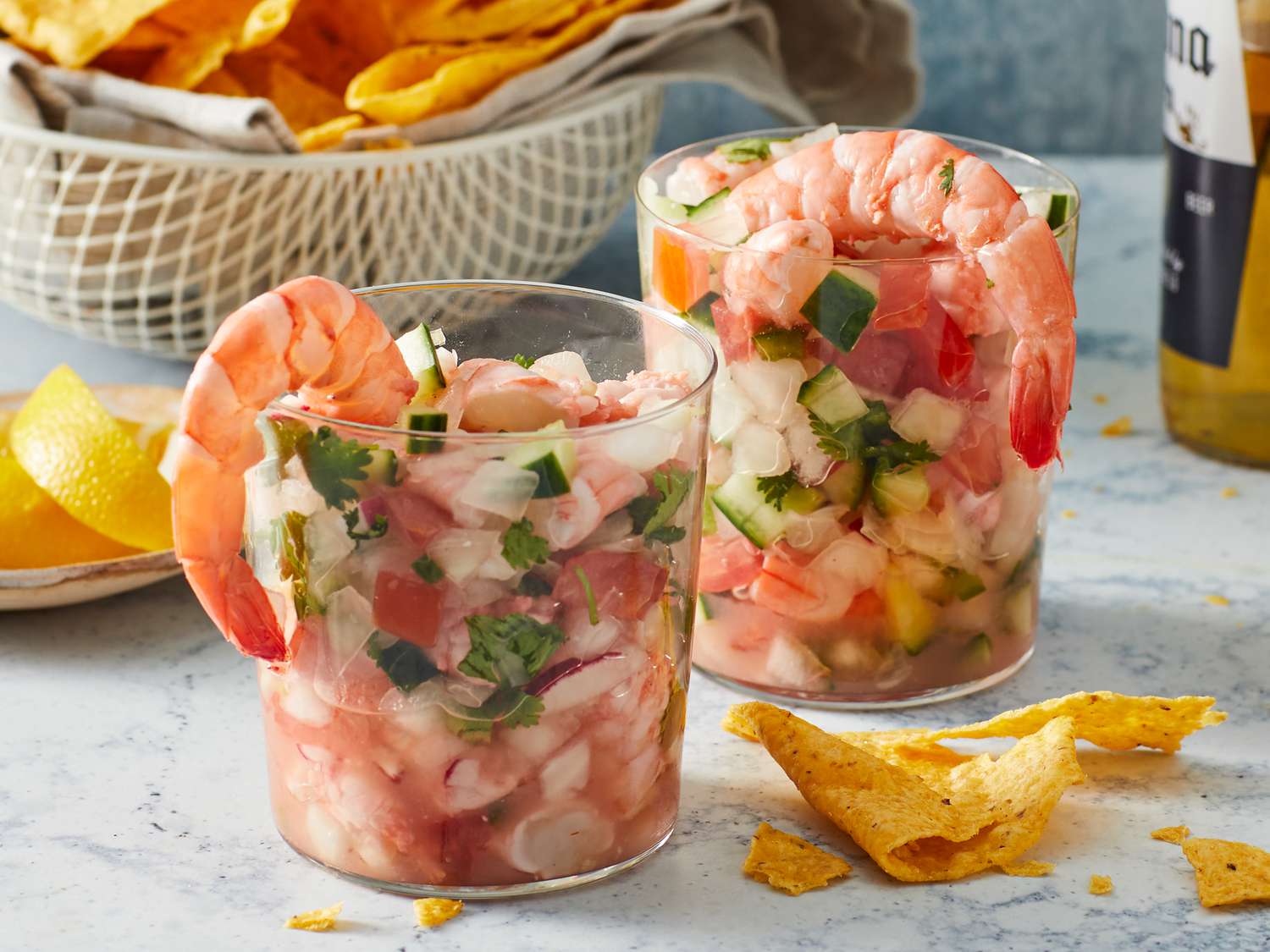
The Ultimate Guide to Authentic Mexican Ceviche: A Modern Culinary Journey into Yucatán’s Coastal Heritage
Introduction
Among the world’s most beloved coastal dishes, few creations embody freshness, vibrancy, and cultural heritage quite like Mexican ceviche. Often misspelled as “cerviche,” this traditional masterpiece is far more than a simple seafood dish—it is a centuries-old culinary technique rooted in the rich coastal history of Latin America. For many newcomers, their first question is often, “What exactly is ceviche?” Yet, without fail, that initial curiosity transforms into delight after a single bite of its citrus-cured seafood, aromatic herbs, and fiery chilies.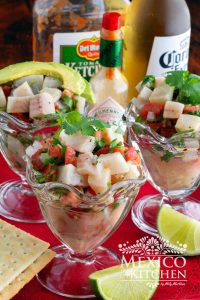
My own experience with authentic ceviche began more than two decades ago in the early days of Cancun, where I worked alongside local fishermen and Yucatecan cooks who upheld recipes passed down through generations. From them, I learned that ceviche is not merely prepared—it is respected. Whether served on a crisp tostada or enjoyed as a refreshing cocktail, true Mexican ceviche celebrates the sea with a balance of brightness, boldness, and impeccable simplicity.
This comprehensive guide blends traditional wisdom with modern culinary insights, exploring the science behind citrus curing, the cultural roots of regional variations, and today’s best practices for food safety and sustainability. More than a recipe, it is an in-depth journey into understanding, preparing, and mastering authentic Mexican ceviche, empowering you to recreate the flavors of the Mexican coastline with confidence and accuracy.
The Art and Science of Authentic Mexican Ceviche
I. Understanding Ceviche: History, Evolution, and the Mexican Identity
Ceviche’s origins stretch deep into Latin America’s Pacific coastline. While Peru is widely praised as the birthplace of the modern ceviche recognized today, Mexico has cultivated its own distinct and celebrated styles. In regions such as Sinaloa, Baja California, Guerrero, Veracruz, and the Yucatán Peninsula, ceviche is an essential part of daily life—both a cultural staple and a culinary expression of the coastal landscape.
A. The Mexican Distinction
Mexican ceviche differs from other Latin American versions through its bold use of local ingredients:
- Fresh lime juice as the primary curing agent
- Ripe tomatoes for freshness
- White onion for crunch
- Cilantro for herbal brightness
- Chilies—jalapeño, serrano, and habanero—for layered heat
- Occasional additions like avocado, cucumber, or Maggi seasoning in modern kitchens
Unlike Peruvian ceviche, which may incorporate corn, sweet potato, or tiger’s milk (leche de tigre), Mexican ceviche remains a more straightforward, vegetable-rich mixture. It is commonly served on crispy tostadas or with tortilla chips, making it simultaneously refreshing and satisfying.
B. The Yucatán Flavor Profile
The Yucatán Peninsula adds its own distinct identity to ceviche, influenced by Mayan culinary traditions and unique local produce. The region often incorporates: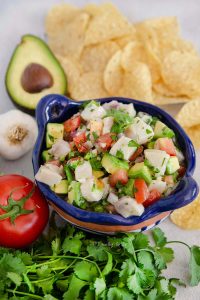
- Sour orange (naranja agria): Offering a floral, slightly bitter acidity
- Habanero peppers: Used sparingly for heat and fruity aroma
- Local fish species: Such as sierra (Spanish mackerel), grouper, and snapper
This combination results in a ceviche that is punchy, aromatic, and unmistakably Yucatecan. The goal is harmony—balancing heat, citrus, and seafood freshness into a dish that honors the ocean without overshadowing it.
II. Ingredient Deep Dive: The Modern Anatomy of Perfect Ceviche
Authentic Mexican ceviche is minimalistic by design. Because the ingredient list is short, quality is everything. Modern culinary science and global seafood guidelines provide new insights into choosing fish safely and sustainably.
A. Selecting the Seafood: Freshness, Safety, and Sustainability
Seafood is the foundation of ceviche. The fish must be pristine, fresh, and handled responsibly.
1. Ideal Fish Varieties
Choose firm, lean, white-fleshed fish such as:
- Red snapper (huachinango)
- Sea bass
- Halibut
- Grouper (mero)
- Spanish mackerel (sierra) for a rich, traditional Mexican flavor
Avoid oily fish such as salmon or tuna in traditional ceviche—they react differently to citrus and can produce a mushy texture.
2. Shrimp, Octopus, and Scallops
Mexican ceviche is wonderfully adaptable.
- Shrimp (camarón): Popular, accessible, and widely loved
- Bay scallops: Add a silky sweetness
- Octopus: Should be briefly poached to avoid toughness, then diced for marinating
3. Food Safety: Modern Standards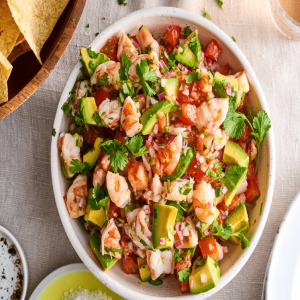
The seafood must be sashimi-grade, meaning it is handled for raw consumption. For added precaution, experts recommend:
Freezing fish at –4°F (–20°C) for at least 7 days
This eliminates parasites and ensures safe consumption.
When possible, rely on sustainable seafood guides such as the Monterey Bay Aquarium’s Seafood Watch to make environmentally conscious choices.
III. The Citrus: The True “Heat” Behind Ceviche
Unlike cooked seafood, ceviche relies solely on acidic denaturation, a process where citrus breaks down proteins, creating a firm, opaque texture.
A. Fresh Lime Juice: The Non-Negotiable Standard
Only use freshly squeezed limes—never bottled juice. The acidity, aroma, and complexity of fresh lime are essential to proper curing.
B. The Yucatán Citrus Blend
To elevate authenticity, replace 25–30% of the lime juice with:
- Fresh sour orange juice
This imparts subtle bitterness, floral undertones, and regional authenticity.
C. Optional Acids
Some modern chefs add a dash of grapefruit juice or Meyer lemon for softer acidity, but traditionalists insist that lime remains king.
IV. Vegetables, Herbs, and Chilies: Building Layers of Freshness
A. Tomatoes
Select ripe but firm Roma tomatoes, seeded and diced to avoid excess moisture.
B. Onions
White onion is the classic choice. Rinse diced onion under cold water to remove sharpness while preserving crunch.
C. Chilies: The Heart of Mexican Heat
Chilies define Mexican cuisine, and ceviche is no exception.
- Jalapeño: Mild to medium heat
- Serrano: Brighter flavor and higher heat
- Habanero: Extremely hot; use sparingly in minced form
Always wear gloves when handling habanero peppers.
D. Cilantro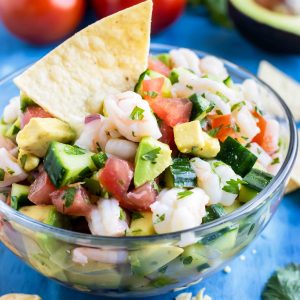
A generous amount of fresh cilantro—leaves and tender stems—provides essential herbal lift.
V. Seasonings and Modern Enhancements
Traditional Mexican ceviche seasonings include:
- Sea salt
- Cracked black pepper
- Mexican oregano (crushed between fingertips for maximum aroma)
Modern Chef-Approved Additions
Although not traditional, many contemporary chefs incorporate:
- A small splash of olive oil for richness
- A few drops of Maggi sauce or soy sauce for umami depth
- Diced avocado added just before serving
- Cucumber for extra freshness
These additions elevate the dish without compromising authenticity.
VI. Master Technique: Step-by-Step Guide to Flawless Ceviche
Precision transforms good ceviche into extraordinary ceviche.
1. Prepare the Seafood
- Keep seafood chilled at all times
- Cut into uniform ½-inch cubes
- Place in a non-reactive bowl (glass or ceramic)
2. The Citrus Cure
- Pour enough lime (and sour orange) juice to fully submerge the seafood
- Stir gently to ensure even exposure
- Refrigerate immediately
3. Timing the Marination
Over-marination is the number one mistake beginners make.
- Fish: 15–30 minutes
- Shrimp: 20–30 minutes
- Scallops: 15–20 minutes
- Octopus: Add after pre-poaching
Over 45–60 minutes, citrus begins breaking down the protein too much, resulting in chalky seafood.
4. Combine with Vegetables
When the seafood reaches the ideal texture:
- Drain 50–75% of the citrus
- Fold in tomatoes, onions, chilies, and cilantro
- Add salt, pepper, and oregano
- Chill for 5–10 minutes for flavors to meld
5. Final Adjustments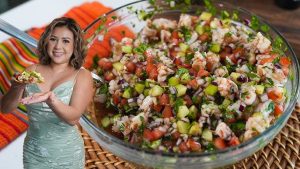
Taste before serving. Add more salt or lime as needed.
VII. Serving, Presentation, and Perfect Pairings
Mexican ceviche is both casual and elegant, adaptable to many serving styles.
A. Ceviche Cocktail
Served in a chilled glass, often with:
- A splash of tomato or clamato juice
- Saltine crackers on the side
B. Tostadas
A beloved Mexican classic:
- Spread refried beans on a crisp corn tostada
- Add a generous mound of ceviche
- Top with avocado and Mexican crema
C. Chips and Dips
A simple, crowd-pleasing presentation perfect for gatherings.
D. Beverage Pairings
- Crisp Mexican lager (Pacifico, Victoria)
- Citrusy pale ale
- Non-alcoholic agua fresca (tamarind, hibiscus)
- Classic Mexican Coca-Cola
VIII. Safety, Sustainability, and Expert Best Practices
A. Food Safety First
- Buy seafood only from trusted fishmongers
- Ask if the fish is safe for raw consumption
- Keep all ingredients cold
B. Sustainability Choices
Choosing eco-friendly seafood protects ocean ecosystems and supports responsible fishing.
C. Expert Tips for Flawless Ceviche
- Prepare all vegetables beforehand to avoid cross-contamination
- Keep seafood chilled throughout preparation
- Use the “two-stage method”: cure with citrus first, then add vegetables at the end
- Consume ceviche within 1–2 hours of completion
Ceviche does not improve with time—it is best enjoyed fresh.
Conclusion
Authentic Mexican ceviche is more than a recipe—it is a celebration of the ocean, a tribute to regional traditions, and a reflection of Mexico’s vibrant culinary identity. By understanding the science of citrus curing, respecting the cultural origins of the dish, and mastering modern techniques for safety and sustainability, anyone can recreate this iconic coastal treasure at home.
From the bustling markets of Veracruz to the serene beaches of the Yucatán Peninsula, ceviche remains a living culinary symbol—timeless, refreshing, and endlessly adaptable. Once you serve true Mexican ceviche to friends or family, one thing is certain: the question will quickly shift from “What is this dish?” to “When can you make it again?”
Easy Chinese Recipes for Everyday Cooking