
 By admin
Easy Chinese Recipes: A Modern Guide to Fast, Fresh, and Flavorful Home Cooking
Introduction
Chinese cuisine has long been celebrated for its balance of flavors, colorful presentation, and nourishing ingredients. Despite its rich culinary traditions, many people assume that preparing authentic Chinese meals at home requires hours of work and complex cooking techniques. Fortunately, this could not be further from the truth. With the right approach, simple ingredients, and a basic understanding of Chinese cooking principles, anyone—from complete beginners to seasoned home chefs—can prepare delicious Chinese dishes in under an hour.
In today’s fast-paced world, finding the time to cook wholesome meals is becoming more difficult. Yet, fast food and overly processed meals are not ideal for maintaining a healthy lifestyle. That is why easy Chinese recipes have become increasingly popular: they provide a balanced alternative that is flavorful, nutritious, and quick to prepare. This article explores the fundamentals of creating easy Chinese dishes at home, including essential ingredients, simple techniques, time-saving tips, and recipe suggestions for cooks of all levels.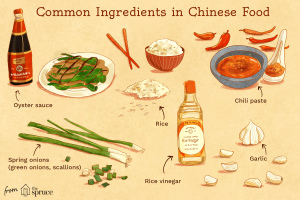
Whether your daily schedule is hectic or you simply want to diversify your weekly meals, these recipes allow you to bring the taste of China into your kitchen without stress or complicated steps. From stir-fries to noodle bowls, dumplings to soups, you can build rich and satisfying meals using basic ingredients such as rice, vegetables, and one protein source. With practice, experimentation, and confidence, Chinese cooking can become one of the easiest and most enjoyable parts of your daily routine.
Main Body
1. Understanding the Basics of Easy Chinese Cooking
1.1. Start with Simple, Accessible Ingredients
Contrary to common belief, Chinese cooking does not require a long list of exotic ingredients. Although some specialty items can elevate your dishes, most everyday meals can be prepared using:
- Rice
- Noodles
- Fresh vegetables (bell peppers, carrots, broccoli, bok choy)
- Simple proteins (chicken, beef, tofu, shrimp)
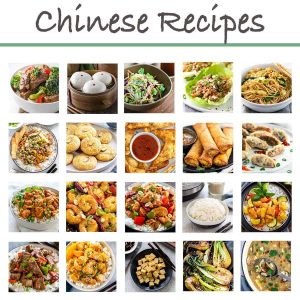
- Basic seasonings (soy sauce, garlic, ginger, sesame oil)
These staple ingredients allow you to create a wide variety of meals without overwhelming your kitchen or your schedule.
1.2. Minimize Complexity by Limiting Ingredients
The more ingredients you add, the more complicated the cooking process becomes. One of the secrets to easy Chinese cooking is limiting the number of components in each dish. For beginners, sticking to three main elements—rice or noodles, vegetables, and one type of protein—ensures simplicity without sacrificing taste.
This approach also helps you control cooking times. A simple stir-fry, for example, can be ready in under 20 minutes if the ingredients are already chopped.
1.3. Essential Tools for Quick Chinese Meals
You do not need a professional wok station to enjoy Chinese cooking. However, a few basic tools can make the process faster and more enjoyable:
- A wok or deep frying pan: Ideal for stir-frying and sautéing
- A sharp knife: Speeds up chopping vegetables and proteins
- A rice cooker: Ensures fluffy rice every time with zero effort
- A steamer basket: Perfect for dumplings, vegetables, and buns
With these tools, even beginners can prepare restaurant-quality meals with ease.
2. Time-Saving Techniques for Busy Home Cooks
2.1. Prep Before You Cook
Preparation (known as “mise en place”) is essential in Chinese cuisine. Most dishes cook very quickly, so having ingredients chopped and ready ensures nothing burns or overcooks. You only need 10–15 minutes to prepare:
- Sliced chicken or beef
- Chopped vegetables
- Mixed sauces (soy sauce, garlic, ginger, cornstarch)
When everything is ready before heating the wok, cooking becomes effortless.
2.2. Rice and Noodles: Your Best Time-Savers
Rice is the foundation of many Chinese meals, and the good news is that it cooks in roughly 20 minutes. If you own a rice cooker, you can simply add water and rice, press a button, and focus on chopping your vegetables and proteins.
Noodles are even faster—most varieties cook in 5–7 minutes. This makes them ideal for quick weeknight meals.
2.3. Master the Stir-Fry Technique
A stir-fry is one of the quickest and most versatile dishes in Chinese cuisine. It cooks over high heat and combines vegetables, proteins, and sauce into a single pan. Once you learn this technique, the possibilities become endless.
Basic stir-fry steps:
- Heat oil until shimmering.
- Add aromatics (garlic, ginger, green onions).
- Add protein and cook until almost done.
- Add vegetables based on hardness (carrots first, leafy greens last).
- Add sauce and simmer briefly.
A complete, nutritious meal can be ready in under 10 minutes.
3. Easy Chinese Recipes for Everyday Cooking
3.1. Simple Chicken Stir-Fry
A classic dish that requires only a few ingredients and minimal cooking time.
Ingredients:
- Chicken breast
- Soy sauce
- Garlic
- Broccoli
- Sesame oil
Instructions:
Stir-fry garlic in hot oil, add chicken strips until golden, then add broccoli and soy sauce. Finish with sesame oil for flavor.
3.2. Vegetable Fried Rice
This recipe is perfect for using leftover rice and vegetables.
Key ingredients:
- Leftover rice
- Carrots, peas, onions
- Eggs
- Soy sauce
Simply scramble the eggs, add vegetables, toss in the rice, and finish with soy sauce. It can be cooked in 10 minutes.
3.3. Quick Beef and Broccoli
This restaurant classic takes less than 20 minutes to prepare.
Steps:
- Slice beef thinly.
- Blanch broccoli.
- Stir-fry both with garlic and oyster sauce.
Serve with steamed rice.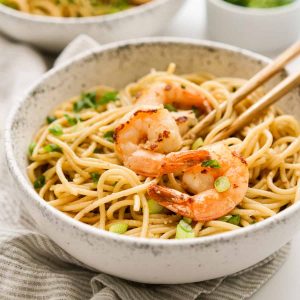
3.4. Garlic Shrimp Noodles
An easy dish for seafood lovers.
- Boil noodles.
- Stir-fry shrimp with garlic and soy sauce.
- Toss with the noodles and a dash of chili oil.
3.5. Tofu and Vegetable Stir-Fry
A great plant-based option.
Ingredients:
- Firm tofu
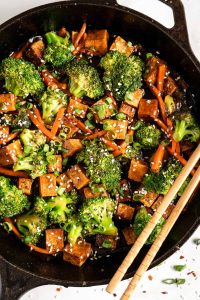
- Bell peppers
- Snow peas
- Soy sauce and ginger
Pan-fry tofu first for crispiness, then add vegetables and sauce.
4. How to Adjust Recipes Based on Skill Level
4.1. For Beginners
Stick to one protein, one vegetable mix, and one base (rice or noodles). Simple sauces like soy sauce, garlic, and ginger are enough to create delicious meals.
4.2. For Intermediate Cooks
Experiment with additional elements:
- Chili paste
- Hoisin sauce
- Oyster sauce
- Rice vinegar
You can also try adding nuts (like cashews) or experimenting with different proteins.
4.3. For Advanced Cooks
Once you feel comfortable, you can expand to more complex dishes such as:
- Dumplings
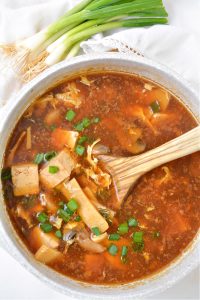
- Hot and sour soup
- Sweet and sour chicken
- Scallion pancakes
These dishes require more time but deliver incredibly rich flavors.
5. Planning Your Meals Efficiently
5.1. Know How Many People You Are Feeding
Portioning is easier when you know how many servings you need. Most stir-fries serve 2–4 people, depending on the portion size.
5.2. Prepare Larger Batches
Chinese food often tastes even better the next day. Consider doubling your recipes so you can enjoy leftovers.
5.3. Store Ingredients Properly
Keeping pre-cut vegetables and marinated proteins in the fridge saves time throughout the week.
6. Modern Trends in Chinese Home Cooking

6.1. Health-Focused Recipes
More people prioritize balanced meals with:
- Reduced sodium
- Low oil usage
- Fresh vegetables
- Lean proteins
6.2. Fusion-Style Chinese Dishes
Combining Chinese flavors with global cuisines is increasingly popular:
- Chinese tacos
- Asian-inspired pasta
- Healthy rice bowls
6.3. Plant-Based Chinese Cuisine
Tofu, mushrooms, and plant-based meats allow for delicious vegan Chinese dishes without compromising on flavor.
Conclusion
Chinese cooking at home does not need to be complicated, time-consuming, or intimidating. By focusing on simple ingredients, essential tools, and efficient techniques, you can prepare quick and delicious meals within an hour. The key is to start small: master basic stir-fry methods, understand the role of rice and noodles, and build confidence by experimenting with easy recipes.
With just a handful of ingredients—rice, vegetables, and a single protein—you can create healthy, flavorful meals any day of the week. As your skills grow, you can explore more advanced recipes and incorporate modern trends into your cooking. Ultimately, easy Chinese recipes allow you to enjoy authentic flavors while saving time, money, and effort. Cooking should be enjoyable, not stressful—and Chinese cuisine offers the perfect balance of speed, taste, and nutrition.
From Garden to Kitchen: The Wonders of Basil