
 By admin
The Decentralization of IT: A Strategic Transformation Redefining Organizational Power, Agility, and Innovation
Introduction
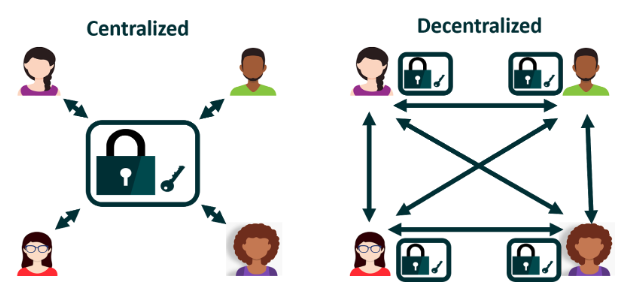
For much of the modern corporate era, information technology was governed by a single, dominant philosophy: centralization. IT systems, infrastructure, budgets, and expertise were consolidated within a centralized department that acted as both gatekeeper and guardian of digital resources. This model, once considered essential for efficiency, security, and cost control, shaped how organizations interacted with technology for decades. Business units submitted requests, waited for approvals, and adapted their operations to the pace and priorities of IT rather than the other way around.
However, as the global economy entered the digital-first age, this centralized paradigm began to show its limitations. Speed, flexibility, innovation, and customer-centricity emerged as decisive competitive factors—qualities that rigid, hierarchical IT structures often struggled to deliver. In response, organizations across industries have begun to embrace a profound shift: the decentralization of IT.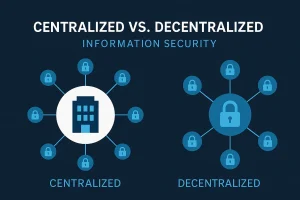
IT decentralization represents far more than an operational adjustment. It is a fundamental rethinking of how technology authority, ownership, and accountability are distributed across the enterprise. Enabled by cloud computing, agile methodologies, DevOps culture, and digital platforms, decentralization empowers business units to take greater control over the technologies that drive their outcomes. At the same time, it redefines the role of central IT from command-and-control to orchestration, governance, and enablement.
This article explores the evolution of IT decentralization, the forces driving its adoption, modern decentralized operating models, their strategic benefits, associated risks, and the future trajectory of enterprise technology. Together, these insights reveal why IT decentralization has become a cornerstone of resilient, adaptive, and innovation-driven organizations.
1. The Era of Centralized IT: Origins, Strengths, and Structural Limits
1.1 Historical Foundations of Centralized IT
Centralized IT emerged as a rational response to the technological realities of the late 20th century. Computing resources were scarce, expensive, and complex. Mainframe computers required specialized environments, highly trained personnel, and significant capital investment. Consolidating these assets into a single department allowed organizations to control costs, reduce duplication, and maintain operational stability.
The centralized IT department became the custodian of enterprise systems, responsible for infrastructure management, application development, security, and vendor relationships. Decision-making authority was concentrated at the top, often under the leadership of the Chief Information Officer (CIO), whose mandate focused on operational efficiency and risk mitigation.
1.2 Benefits That Once Defined Centralization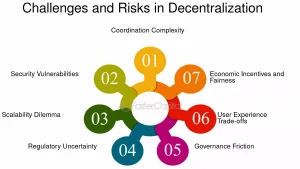
For many years, centralized IT delivered tangible advantages:
- Standardization: Uniform hardware, software, and processes simplified maintenance and training.
- Cost Control: Bulk purchasing and shared infrastructure reduced expenses.
- Security and Compliance: Central oversight ensured consistent policies and regulatory adherence.
- Operational Stability: Changes were carefully managed to minimize system disruptions.
In a relatively slow-moving business environment, these strengths aligned well with organizational priorities.
1.3 Friction Between IT and the Business
Despite its advantages, centralized IT often created distance between technology and business needs. Long approval cycles, limited customization, and rigid project methodologies slowed innovation. Business leaders frequently perceived IT as a bottleneck rather than a partner, leading to frustration and the rise of “shadow IT”—technology solutions adopted without formal approval.
As markets accelerated and digital channels reshaped customer expectations, these limitations became increasingly untenable.
2. Forces Accelerating the Shift Toward IT Decentralization
2.1 Cloud Computing as a Democratizing Force
Cloud computing has been the single most influential catalyst for IT decentralization. Infrastructure-as-a-Service (IaaS), Platform-as-a-Service (PaaS), and Software-as-a-Service (SaaS) models allow teams to provision computing power, storage, and applications instantly, without owning physical hardware.
This accessibility empowers business units to experiment, scale, and deploy solutions independently. Cloud platforms also introduce consumption-based pricing, aligning costs more closely with actual business value.
2.2 Agile, DevOps, and the Demand for Speed
Modern software development emphasizes rapid iteration, continuous delivery, and close collaboration between developers and users. Agile and DevOps methodologies thrive in environments where teams have autonomy and direct ownership of outcomes.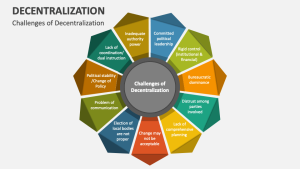
Decentralizing IT functions—particularly application development and data analytics—enables teams to respond quickly to changing requirements, shorten feedback loops, and deliver incremental value.
2.3 Digital Transformation and Competitive Pressure
Digital transformation has blurred the line between business strategy and technology strategy. Organizations now rely on digital platforms, data-driven insights, and automated processes to compete effectively.
In this context, centralized IT structures can inhibit experimentation and innovation. Decentralization allows business units to tailor technology solutions to their specific markets, customers, and workflows.
2.4 The Consumerization of Technology
Employees increasingly expect workplace technology to match the simplicity and flexibility of consumer applications. Low-code and no-code platforms enable non-technical users to build workflows, dashboards, and applications, further accelerating decentralization and empowering “citizen developers.”
3. Modern Decentralized IT Models: Structure and Governance
3.1 Embedded IT and Product-Centric Teams
In decentralized environments, IT professionals are embedded within business units such as marketing, finance, operations, or human resources. These teams operate as product owners, responsible for the full lifecycle of digital solutions that support their domain.
This proximity fosters deep domain knowledge, ensuring that technology investments directly support business objectives.
3.2 The Hybrid Hub-and-Spoke Model
Complete decentralization can lead to fragmentation, which is why many organizations adopt a hybrid approach. In this model:
- The Central Hub: A lean central IT function acts as a Center of Excellence, setting standards for cybersecurity, architecture, data governance, and vendor management.
- The Decentralized Spokes: Business units retain autonomy over solution design and execution within defined guardrails.
This structure balances agility with coherence, enabling innovation without sacrificing control.
3.3 The Evolving Role of the CIO
In a decentralized environment, the CIO’s role shifts from operational control to strategic leadership. Modern CIOs focus on enabling platforms, fostering digital skills, ensuring enterprise-wide resilience, and aligning technology with long-term business vision.
4. Strategic Benefits of IT Decentralization
4.1 Increased Business Agility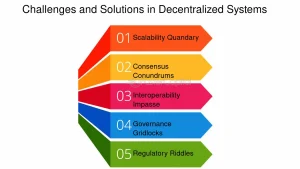
Decentralized teams can respond rapidly to market changes, customer feedback, and emerging opportunities. This agility translates into faster time-to-market and improved competitiveness.
4.2 Enhanced Innovation and Creativity
When teams control their own technology stack, they are more likely to experiment, innovate, and develop solutions that address real-world problems. Innovation becomes continuous rather than episodic.
4.3 Improved Alignment Between Technology and Business Goals
By placing decision-making authority closer to the business, decentralization ensures that technology investments are directly tied to measurable outcomes.
4.4 Greater Employee Engagement and Talent Retention
Autonomy and ownership increase job satisfaction for both technologists and business users. Clear accountability and visible impact enhance motivation and retention.
5. Risks and Challenges of Decentralized IT
5.1 Cybersecurity and Data Governance Risks
Distributed control can result in inconsistent security practices and data silos. Without strong central oversight, organizations may face increased exposure to cyber threats and compliance violations.
5.2 Cost Management and Redundancy
Decentralization can lead to duplicated tools, overlapping subscriptions, and inefficient resource utilization. Centralized procurement and visibility are essential to mitigate these risks.
5.3 Integration and Interoperability Issues
Independently developed systems may struggle to communicate, creating integration complexity. API-first design and shared integration platforms are critical enablers.
5.4 Skills Gaps and Organizational Complexity
Not all business units possess equal technical expertise. Investment in training, shared communities of practice, and clear career pathways is necessary to sustain decentralization.
6. The Future of IT Decentralization
6.1 Intelligent Governance Through Automation
Artificial Intelligence for IT Operations (AIOps) will play a growing role in managing decentralized environments. Automated monitoring, predictive analytics, and self-healing systems will reduce operational burden.
6.2 Mesh Architectures and Autonomous Enterprises
Data mesh and service mesh architectures enable organizations to operate as networks of interconnected, autonomous capabilities. This approach aligns naturally with decentralized IT strategies.
6.3 From Control to Enablement
The future of enterprise IT lies in intelligent enablement—providing platforms, standards, and insights that empower teams while maintaining security and coherence.
Conclusion
The decentralization of IT marks a decisive turning point in the evolution of organizational technology strategy. It reflects a broader recognition that innovation, agility, and resilience cannot be achieved through centralized control alone. Instead, they emerge when technology authority is distributed to where business knowledge resides, supported by robust platforms and governed by intelligent oversight.
By embracing a hybrid model that combines decentralized execution with centralized governance, organizations can unlock the full potential of digital transformation. IT decentralization is not about relinquishing control, but about redefining it—shifting from rigid command structures to adaptive ecosystems that empower people, accelerate innovation, and sustain competitive advantage in an increasingly complex digital world.
The Origins and Vision of Kling AI