
 By admin
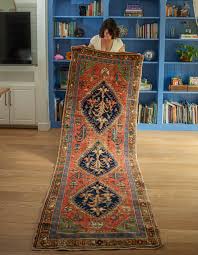
A Timeless Investment: The Enduring Appeal, Cultural Depth, and Strategic Value of Antique Carpets
Introduction
In a contemporary world shaped by fast manufacturing, disposable décor, and rapidly shifting design trends, antique carpets stand apart as enduring symbols of authenticity, craftsmanship, and cultural continuity. Far more than functional floor coverings, antique carpets are woven chronicles of human creativity—objects that embody centuries of tradition, artistry, and intellectual symbolism. Each piece tells a story through its motifs, materials, and techniques, reflecting the geography, beliefs, and social structures of the civilization that produced it.
For collectors, interior designers, and discerning homeowners alike, antique carpets represent a rare intersection of aesthetic beauty and financial intelligence. Unlike mass-produced furnishings that depreciate with time, a genuine antique carpet often matures in value, both monetarily and artistically. Its presence can transform an interior into a curated cultural space while simultaneously serving as a tangible, appreciating asset.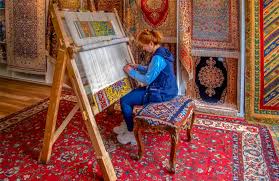
This comprehensive guide explores the world of antique carpets in depth—from their historical origins and artistic significance to their investment potential and the practical considerations involved in acquiring an authentic piece. Whether you are a seasoned collector or a first-time buyer, this article offers a modern, informed roadmap for navigating the antique carpet market with confidence, discernment, and long-term vision.
1. Understanding What Defines an Antique Carpet
1.1 Age, Authenticity, and Craftsmanship
An antique carpet is traditionally defined as a hand-knotted textile that is at least 80 to 100 years old. However, age alone does not determine value. Authenticity, quality of materials, knotting technique, design complexity, condition, and provenance all play equally critical roles.
Unlike modern rugs produced with mechanical precision, antique carpets display subtle irregularities—variations in knot density, slight asymmetries in pattern, and natural abrash (gentle color variation caused by hand-dyed yarns). These characteristics are not flaws but hallmarks of authenticity, revealing the human hand behind the loom.
1.2 Materials and Natural Dyes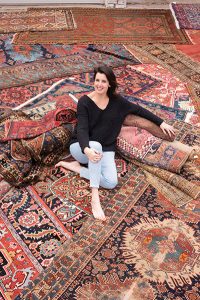
True antique carpets were crafted using organic materials such as hand-spun wool, silk, and cotton foundations. The dyes were derived from natural sources—indigo for blues, madder root for reds, pomegranate rind for yellows, and walnut husks for browns. Over time, these dyes develop a soft, luminous patina that synthetic dyes cannot replicate, contributing significantly to an antique carpet’s visual depth and desirability.
2. Historic Weaving Regions and Their Distinctive Styles
2.1 Persian Carpets: The Pinnacle of Textile Art
Persian carpets, originating from modern-day Iran, are widely regarded as the gold standard of antique rug craftsmanship. Cities such as Kashan, Isfahan, Tabriz, and Kerman produced carpets of extraordinary refinement, characterized by intricate floral motifs, elegant medallions, and sophisticated curvilinear designs.
A 19th-century Kashan silk carpet, for example, is often considered a masterpiece—featuring extremely fine knot counts, harmonious color palettes, and poetic compositions inspired by Persian gardens and literature.
2.2 Anatolian (Turkish) Carpets
Antique Turkish carpets, particularly those from Hereke, Ushak, and Konya, are known for their bold geometry, strong tribal symbolism, and saturated colors. Hereke carpets, often woven in silk with gold or silver thread, were originally produced for Ottoman palaces and remain highly sought after by collectors.
2.3 Caucasian Rugs
Caucasian rugs from regions such as Dagestan, Shirvan, and Karabakh are celebrated for their graphic power and symbolic abstraction. Featuring angular motifs, vibrant contrasts, and durable wool, these carpets reflect tribal identities and ancient protective symbols, making them visually striking and culturally rich.
2.4 Central Asian and Afghan Carpets
Turkmen and Afghan carpets—often referred to as “Bukhara rugs”—are distinguished by repeating octagonal gül motifs and deep red colorways. These rugs were traditionally woven by nomadic tribes and are prized for their rhythmic designs and historical authenticity.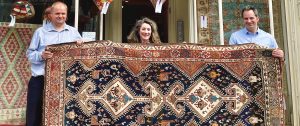
2.5 Indian Carpets Under Mughal Influence
During the Mughal era, Indian weaving centers such as Agra, Lahore, and Kashmir produced carpets that blended Persian aesthetics with local artistic traditions. These antique Indian carpets often feature refined floral patterns, delicate symmetry, and luxurious materials, making them highly collectible today.
3. The Artistic and Cultural Significance of Antique Carpets
3.1 Symbolism and Storytelling Through Design
Every motif in an antique carpet carries meaning. The Persian boteh (paisley) symbolizes eternity and rebirth; the Tree of Life represents spiritual ascent; geometric borders often signify protection and continuity. In tribal rugs, motifs served as visual language, communicating lineage, beliefs, and social status.
Owning an antique carpet is therefore akin to preserving a historical manuscript—one written not with ink, but with wool and silk.
3.2 A Reflection of Social and Economic History
Antique carpets also offer insight into historical trade routes, imperial patronage, and cross-cultural exchange. Many designs evolved through interactions between regions, making carpets valuable artifacts for understanding global history and artistic diffusion.
4. Antique Carpets as a Strategic Investment
4.1 Financial Appreciation and Market Stability
In recent decades, antique carpets have gained recognition as alternative investment assets. Museum-quality pieces regularly achieve high prices at international auction houses, often outperforming traditional investment vehicles during periods of economic uncertainty.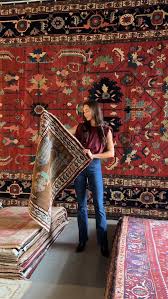
Their value is supported by a fundamental economic principle: finite supply. No new antique carpets are being produced, while global demand—particularly from collectors in Asia and the Middle East—continues to grow.
4.2 Sustainability and Ethical Value
In an age of environmental awareness, antique carpets represent the ultimate form of sustainable luxury. They are recycled masterpieces—objects already created, preserved, and reused across generations. Choosing an antique carpet is a conscious rejection of disposable culture and mass production.
5. How to Buy an Antique Carpet: A Practical Guide
5.1 Choosing a Reputable Dealer
The most important step in acquiring an antique carpet is selecting a trustworthy, knowledgeable dealer. Reputable dealers are transparent about age, origin, condition, and restoration, and often belong to professional associations such as CINOA or ICOG.
A good dealer educates rather than pressures, providing documentation and offering long-term guidance.
5.2 Training Your Eye: What to Look For
Before purchasing, invest time in learning:
- Examine the back: Hand-knotted rugs show irregular knotting.
- Feel the fibers: Antique wool is resilient and luminous.
- Assess color harmony: Natural dyes age gracefully.
- Study the design flow: Authentic patterns feel balanced and intentional.
5.3 Condition and Restoration Assessment
Inspect for:
- Holes, tears, or weak areas
- Moth or insect damage
- Edge and fringe integrity
- Signs of over-cleaning or chemical aging
Professional restoration is acceptable but must be disclosed and reflected in the price.
5.4 Documentation and Provenance
Provenance enhances both value and credibility. Previous ownership records, exhibition history, and expert certificates add confidence and long-term investment security.
6. Care, Preservation, and Long-Term Value
Proper care ensures longevity: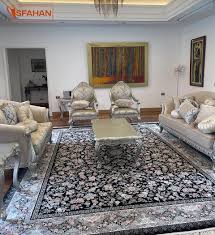
- Avoid direct sunlight
- Rotate the carpet periodically
- Use professional cleaning services
- Control humidity levels
With appropriate maintenance, an antique carpet can last centuries and be passed down as a family heirloom.
Conclusion
Antique carpets are far more than decorative objects—they are enduring embodiments of human ingenuity, cultural memory, and refined taste. To acquire one is to invest in history, sustainability, and timeless beauty. While the journey requires patience, education, and discernment, the rewards are immeasurable.
An antique carpet enriches a space not only visually, but intellectually and emotionally. It anchors a home in heritage, tells stories without words, and offers a rare combination of aesthetic pleasure and financial resilience. In a world obsessed with the new, antique carpets remind us that true value is woven slowly—and lasts forever.
Mastering Salon-Smooth Hair at Home