
 By admin
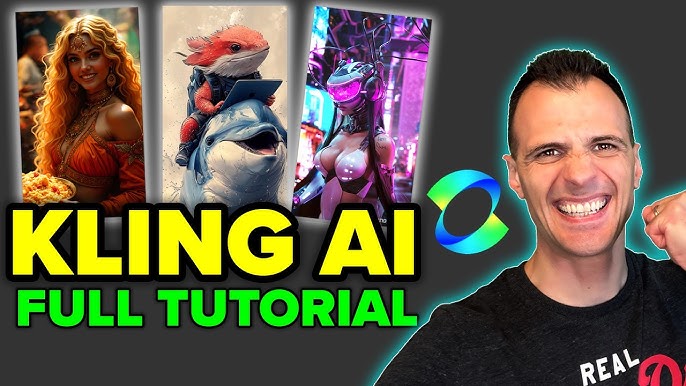
Kling AI: Redefining the Future of AI-Powered Creativity and Digital Filmmaking
Introduction
In the rapidly evolving landscape of artificial intelligence, creative industries are undergoing a profound transformation. From filmmaking and digital marketing to e-commerce and social media storytelling, AI-powered tools are no longer experimental novelties—they are becoming essential instruments of modern production. Among the most influential entrants in this new creative era is Kling AI, a next-generation AI creative studio developed by the Chinese technology giant Kuaishou, a company already renowned for its dominance in short-form video platforms.
As of January 2026, Kling AI stands at the forefront of AI-driven content creation, distinguished by its ability to generate high-fidelity videos and images, deliver cinematic motion control, and maintain multi-angle character consistency across complex scenes. Powered by advanced models such as Kling 2.6 and the groundbreaking Kling O1, the platform bridges the gap between traditional filmmaking techniques and fully automated AI generation.
What sets Kling AI apart is not merely its technical sophistication, but its vision: to democratize high-end creative production and empower creators, marketers, developers, and filmmakers with tools once reserved for professional studios. This article explores Kling AI in depth—its technology, core features, accessibility, user experience, and its broader impact on the future of digital creativity.
1. The Origins and Vision of Kling AI
1.1 Kuaishou’s Entry into AI Creativity
Kuaishou, one of China’s leading technology companies, has long been associated with innovation in video-based social platforms. Leveraging its massive experience in video compression, streaming, and recommendation algorithms, Kuaishou entered the AI creative domain with a clear objective: to build an intelligent content engine capable of understanding visual storytelling.
Kling AI emerged as the culmination of years of research in computer vision, generative modeling, and multimodal AI. Rather than focusing on static outputs, Kuaishou designed Kling AI to excel in motion, continuity, and narrative coherence, which are critical for professional-grade video production.
1.2 A Platform Built for the Cinematic Age
Unlike many AI tools that prioritize speed over realism, Kling AI was engineered with a cinematic mindset. Its models are trained to understand concepts such as camera angles, depth, lighting, pacing, and emotional flow. This makes Kling AI particularly appealing for creators seeking film-like visuals, story-driven sequences, and brand-level polish.
2. Advanced AI Video Generation Capabilities
2.1 Text-to-Video: From Words to Motion
One of Kling AI’s most celebrated features is its Text-to-Video generation. Users can describe a scene using natural language—detailing characters, environments, lighting, camera movements, and mood—and Kling AI translates these instructions into a fully animated video.
Key highlights include: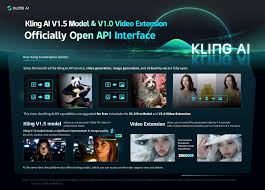
- High-definition output up to 1080p resolution
- Support for videos up to 3 minutes using the video extension feature
- Natural motion physics and realistic transitions
- Cinematic framing and shot composition
This capability dramatically reduces the time and cost traditionally associated with pre-production, shooting, and post-production workflows.
2.2 Image-to-Video: Breathing Life into Static Visuals
Kling AI’s Image-to-Video feature allows users to animate still images with exceptional realism. By applying intelligent motion estimation and temporal coherence, the platform transforms static visuals into dynamic scenes.
Creators can:
- Animate portraits with subtle facial expressions
- Introduce environmental motion such as wind, water, or light shifts
- Maintain visual fidelity while adding lifelike movement
This feature is especially valuable for advertising, digital art, and social media storytelling.
3. The Kling O1 Model: A Breakthrough in AI Filmmaking
3.1 Understanding Multimodal Instructions
At the heart of Kling AI’s filmmaking prowess lies the Kling O1 model, a revolutionary system designed to understand complex multimodal instructions. Unlike simpler models that treat prompts as isolated commands, Kling O1 interprets them as part of a cohesive narrative structure.
It can simultaneously process:
- Textual descriptions
- Visual references
- Scene continuity requirements
- Temporal relationships between shots
This enables creators to generate sequences that feel intentionally directed rather than randomly assembled.
3.2 Consistency Across Characters, Props, and Scenes
One of the most persistent challenges in AI-generated video has been visual inconsistency—characters changing appearance between shots or props behaving unpredictably. Kling O1 addresses this with advanced identity anchoring and scene memory, ensuring:
- Consistent character design across multiple angles
- Stable costumes, facial features, and body proportions
- Accurate prop placement and continuity
- Seamless transitions between scenes
This level of consistency positions Kling AI as a serious tool for AI filmmaking, episodic content, and branded storytelling.
4. Precision Motion Control and Cinematic Tools
4.1 Camera Movement Customization
Kling AI offers sophisticated motion control tools that allow users to define specific camera movements such as pans, tilts, zooms, tracking shots, and orbital rotations. This capability empowers creators to emulate professional cinematography without physical equipment.
Users can: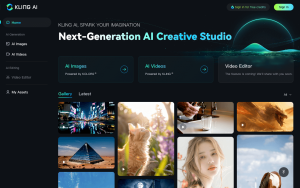
- Design dynamic camera paths
- Control pacing and shot duration
- Create immersive visual experiences
4.2 Motion Brushes for Targeted Animation
The introduction of motion brushes represents a significant innovation in AI animation. These tools enable users to selectively animate specific areas of an image while keeping others static.
For example:
- Animate flowing hair while maintaining a still background
- Move only a character’s hands or facial expressions
- Add motion effects to environmental elements
This granular control elevates Kling AI from a generative tool to a creative instrument.
5. High-End AI Image Generation Models
5.1 Image 2.1 and Style Versatility
Kling AI includes multiple image generation models, such as Image 2.1, designed to accommodate a wide range of artistic styles. Whether users seek hyper-realistic portraits or stylized cinematic aesthetics, Kling AI delivers exceptional visual quality.
Supported styles include:
- Photorealism
- Cinematic lighting
- Concept art and fantasy themes
- Futuristic and surreal designs
5.2 Seamless Integration with Video Workflows
Generated images are not isolated assets; they integrate seamlessly into Kling AI’s video pipeline. Users can transform images into animated sequences, ensuring stylistic consistency across their projects.
6. Multi-Modal AI Tools Beyond Visuals
6.1 AI Sound Generation
Recognizing that sound is integral to storytelling, Kling AI offers AI-generated audio, including ambient soundscapes and effects that synchronize with visual content. This enhances immersion and reduces reliance on third-party audio libraries.
6.2 AI Avatars and Lip-Sync Technology
Kling AI’s AI Avatars enable the creation of realistic digital presenters capable of lip-syncing to generated or uploaded audio. This feature is widely used in:
- Educational videos
- Corporate training
- Virtual influencers
- Multilingual content localization
6.3 Virtual Outfit and Appearance Customization
The platform also supports virtual outfit changes, allowing creators to modify clothing and appearance without re-rendering entire scenes. This is particularly valuable for fashion marketing and virtual try-on experiences.
7. Accessibility, Platforms, and Pricing Model
7.1 Cross-Platform Availability
Kling AI is accessible through: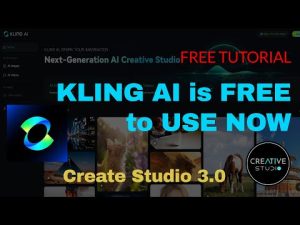
- A web-based platform at app.klingai.com
- Mobile applications on the Apple App Store and Google Play Store
This ensures creators can work seamlessly across devices.
7.2 Credit-Based Pricing System
Kling AI operates on a credit-based model, balancing accessibility with scalability:
- New users receive free credits to explore the platform
- Paid Membership Plans (Mini, Pro, Master) cater to professional needs
- Higher tiers unlock advanced models, longer videos, and priority processing
7.3 API Access for Developers
For developers and enterprises, Kling AI offers API support, enabling integration of video generation capabilities into external applications, workflows, and platforms.
8. User Experience and Creative Community
8.1 Diverse Use Cases
Kling AI is widely used across industries, including:
- YouTube automation and content scaling
- E-commerce product visualization
- AI filmmaking and short films
- Marketing campaigns and brand storytelling
8.2 Community-Driven Innovation
The platform hosts an active creative community where users can:
- Browse trending projects
- Clone and remix existing works
- Experiment with shared prompts and workflows
This collaborative environment accelerates learning and innovation.
Conclusion
Kling AI represents a defining moment in the evolution of AI-powered creativity. By combining advanced video generation, cinematic motion control, multimodal intelligence, and user-friendly accessibility, it transcends the limitations of traditional content creation tools. Powered by models like Kling 2.6 and Kling O1, the platform delivers professional-grade visuals once achievable only through costly production pipelines.
More than just a tool, Kling AI is a creative ecosystem—one that empowers individuals and organizations to tell richer stories, scale production, and explore new artistic frontiers. As AI continues to redefine the boundaries of imagination, Kling AI stands as a powerful symbol of what the future of digital filmmaking and creative expression can achieve.
Why Laser Printers Win Over Time