
 By admin

The Leopard (Panthera pardus): The Silent Sovereign of the Wild
Introduction
The leopard (Panthera pardus), often interchangeably referred to as the panther, stands as one of the most enigmatic, adaptable, and powerful big cats on Earth. Revered across cultures and feared by prey species, this solitary predator has mastered survival across a breathtaking range of environments—from African savannas and dense rainforests to arid deserts and snow-covered Asian mountains. Unlike its more socially inclined cousins such as lions, or its habitat-specialized relatives like tigers, the leopard thrives through stealth, intelligence, and versatility.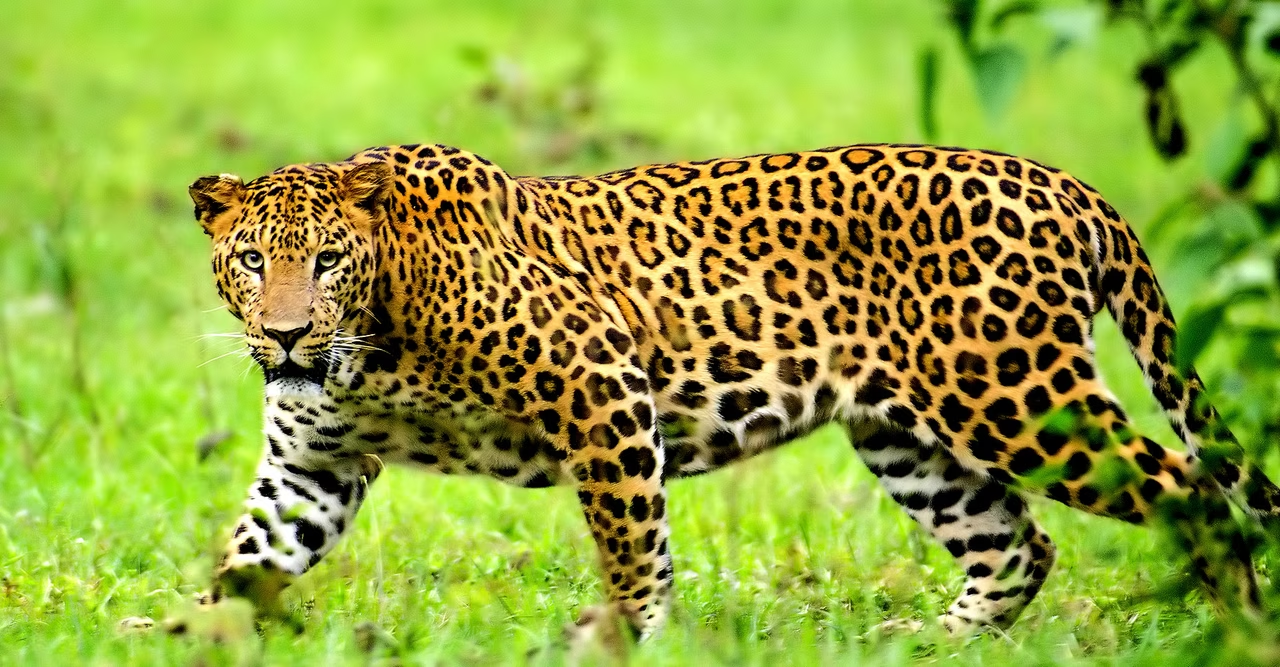
In the modern era, the leopard symbolizes both resilience and vulnerability. Despite its extraordinary adaptability, growing human encroachment, habitat fragmentation, climate change, and illegal wildlife trade have placed unprecedented pressure on leopard populations worldwide. According to the International Union for Conservation of Nature (IUCN), the species is currently classified as Near Threatened, with several subspecies facing Endangered or Critically Endangered status.
This comprehensive article explores the leopard’s physical characteristics, behavior, hunting strategies, ecological importance, subspecies diversity, and the urgent conservation challenges it faces today. Through a modern scientific lens, we uncover why the leopard remains one of nature’s most efficient predators—and why its survival is critical to maintaining ecological balance.
1. Taxonomy and Evolutionary Background
1.1 Scientific Classification
The leopard belongs to the family Felidae and the genus Panthera, which includes lions (Panthera leo), tigers (Panthera tigris), jaguars (Panthera onca), and snow leopards (Panthera uncia). This genus is characterized by a specialized larynx structure that allows most members to roar.
Scientific classification:
- Kingdom: Animalia
- Phylum: Chordata
- Class: Mammalia
- Order: Carnivora
- Family: Felidae
- Genus: Panthera
- Species: Panthera pardus
1.2 Evolutionary Adaptation
Fossil evidence suggests that leopards evolved approximately 2–3 million years ago in Africa before expanding into Asia and parts of Europe. Over millennia, natural selection shaped the leopard into a generalist predator—capable of adapting its hunting techniques, diet, and habitat preferences more effectively than most big cats.
2. Physical Characteristics and Appearance
2.1 Distinctive Coat and Rosettes
One of the leopard’s most recognizable features is its golden-yellow coat adorned with dark, ring-shaped markings known as rosettes. These rosettes provide exceptional camouflage, allowing the animal to blend seamlessly into dappled light environments such as forests, tall grasses, and rocky terrain.
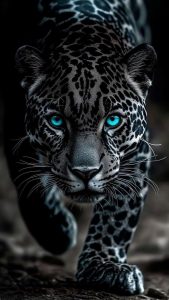
2.2 The Black Panther Phenomenon
In some individuals, a genetic condition called melanism results in an entirely black coat. These animals are commonly referred to as black panthers. Contrary to popular belief, black panthers are not a separate species; they are leopards (or jaguars in the Americas) with a high concentration of dark pigmentation. Under certain lighting conditions, rosettes are still faintly visible.
2.3 Size, Strength, and Anatomy
Leopards exhibit significant sexual dimorphism:
- Adult males: 60–90 kg
- Adult females: 30–60 kg
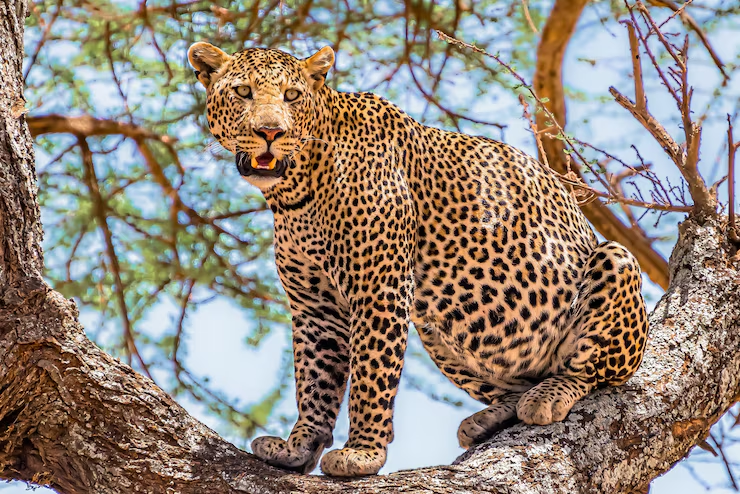
Despite being smaller than lions and tigers, leopards possess remarkable muscular strength. Their powerful jaws and forelimbs enable them to hoist prey weighing more than their own body mass into trees—an extraordinary feat among big cats.
3. Behavior and Social Structure
3.1 Solitary and Territorial Nature
Leopards are predominantly solitary animals. Adults interact mainly for mating purposes, and females raise cubs alone. Each individual maintains a territory marked with scent markings, scratch marks, and vocalizations.
3.2 Intelligence and Adaptability
Renowned for their intelligence, leopards exhibit advanced problem-solving skills. They can alter hunting times, prey choices, and movement patterns to avoid humans, competitors, or environmental threats—making them one of the most adaptable carnivores on the planet.
4. Hunting Techniques and Diet
4.1 Masters of Stealth and Ambush
Leopards are primarily nocturnal hunters, relying on darkness, silence, and patience. Unlike cheetahs that depend on speed, leopards stalk their prey slowly before launching a sudden, lethal ambush.
4.2 Diverse Diet
Their diet is exceptionally broad and may include:
- Antelope
- Deer
- Monkeys
- Wild boar
- Birds
- Reptiles
- Fish
- Livestock (in human-dominated areas)
This dietary flexibility plays a key role in their survival across varied landscapes.
4.3 Tree Hoarding Behavior
One of the leopard’s most iconic behaviors is dragging kills into trees. This strategy protects food from scavengers such as hyenas, lions, and jackals, and allows the leopard to feed undisturbed over several days.
5. Habitat Range and Geographic Distribution
5.1 African Stronghold
Africa hosts the largest remaining leopard populations, particularly in sub-Saharan regions. Leopards thrive in savannas, woodlands, rainforests, and even mountainous regions.
5.2 Asian Territories
In Asia, leopards are found across:
- India
- Sri Lanka
- China
- Southeast Asia
- Central Asia
- The Middle East
Their ability to coexist near human settlements has allowed them to persist in regions where other big cats have vanished.
6. Subspecies of the Leopard
Scientists recognize several leopard subspecies, many of which are severely threatened.
6.1 Amur Leopard (Panthera pardus orientalis)
- Location: Russian Far East and northeastern China
- Population: Approximately 50–120 individuals
- Status: Critically Endangered
This is one of the rarest big cats in the world, adapted to cold climates with a thick coat and long legs.
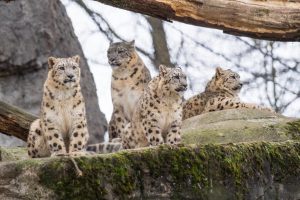
6.2 Snow Leopard (Panthera uncia)
Although genetically distinct, the snow leopard is often discussed alongside leopards.
- Habitat: High-altitude mountains of Central Asia
- Known for: Powerful jumps, thick fur, and long tail
- Status: Vulnerable
6.3 Arabian Leopard (Panthera pardus nimr)
- Smallest leopard subspecies
- Habitat: Arabian Peninsula
- Population: Fewer than 200 individuals
- Status: Critically Endangered
6.4 African Leopard (Panthera pardus pardus)
The most widespread subspecies, yet still declining due to habitat loss and poaching.
7. Ecological Importance
7.1 Apex Predator Role
Leopards regulate prey populations, preventing overgrazing and maintaining healthy ecosystems. Their presence indicates ecological balance.
7.2 Biodiversity Support
By controlling herbivore numbers, leopards indirectly support plant diversity and soil health—making them a keystone species in many ecosystems.
8. Threats to Survival
8.1 Habitat Loss
Deforestation, urban expansion, agriculture, and infrastructure development continue to fragment leopard habitats.
8.2 Human–Wildlife Conflict
As leopards encroach on human settlements due to habitat loss, conflicts increase, often resulting in retaliatory killings.
8.3 Poaching and Illegal Trade
Leopard skins, bones, and body parts are trafficked for fashion, traditional medicine, and trophies.
8.4 Climate Change
Shifting climate patterns disrupt prey availability and suitable habitats, particularly for mountain-dwelling subspecies.
9. Conservation Efforts and Future Outlook
9.1 Protected Areas and Reserves
National parks and wildlife reserves play a vital role in safeguarding leopard populations.
9.2 International Conservation Programs
Organizations such as WWF and Panthera support anti-poaching initiatives, habitat restoration, and community engagement.
9.3 Coexistence Strategies
Education programs and livestock protection measures help reduce human-leopard conflict and promote coexistence.
Conclusion
The leopard (Panthera pardus) remains one of nature’s most remarkable predators—an embodiment of strength, intelligence, and adaptability. Yet, despite its resilience, the species faces mounting threats that jeopardize its future. From the critically endangered Amur and Arabian leopards to declining African populations, urgent conservation action is essential.
Protecting leopards means preserving entire ecosystems, supporting biodiversity, and maintaining the delicate balance of nature. As guardians of the wild, humanity holds the responsibility to ensure that this silent sovereign continues to roam forests, mountains, and savannas for generations to come.
Living with Cats in the Modern World