
 By admin
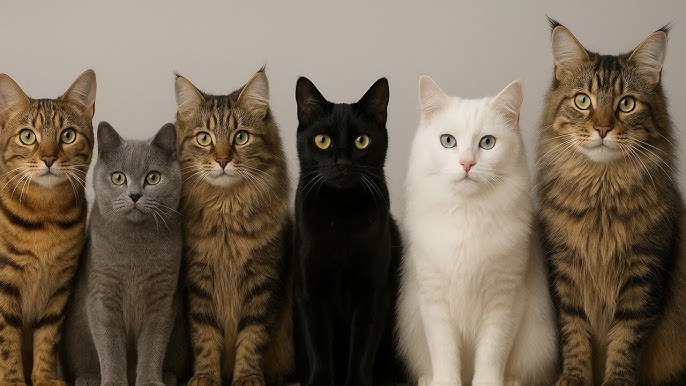
The Amazing World of Cat Species: History, Diversity, and Modern Companionship
Introduction
Cats have long held a special place in human civilization, captivating hearts with their elegance, intelligence, independence, and quiet affection. Today, they are among the most popular companion animals in the world, found lounging on sunny windowsills, curled up on couches, or playfully chasing toys in living rooms across the globe. Despite their widespread presence in modern households, cats are far more than just adorable pets. They are the product of thousands of years of evolution, selective domestication, and a remarkable partnership with humans.
The story of cats is one of mystery and adaptation. Unlike many domesticated animals that were bred specifically for labor or food, cats essentially domesticated themselves. Drawn to early human settlements by abundant prey, they gradually formed a mutually beneficial relationship with people. Over time, this relationship evolved into companionship, reverence, and even worship in certain ancient cultures.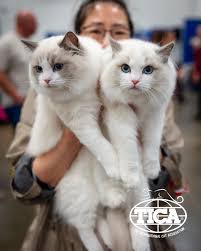
In the modern era, cats are cherished not only for their beauty but also for their emotional intelligence, therapeutic benefits, and diverse personalities. From common domestic shorthairs to rare and exotic breeds, each cat species and breed brings something unique to the human experience. This article explores the fascinating history of cat domestication, their physical and behavioral traits, the diversity of cat breeds, and essential considerations for choosing and caring for a healthy feline companion.
The Origins of Cat Domestication
Cats and Ancient Civilizations
Archaeological and genetic research suggests that cat domestication began approximately 9,000 years ago, with strong evidence pointing to the Fertile Crescent and the Nile Valley as key regions in this process. Early agricultural communities stored grain, which attracted rodents. Wildcats, particularly the African wildcat (Felis lybica), followed these rodents into human settlements.
Rather than being forcibly domesticated, cats gradually integrated themselves into human society. Humans tolerated and eventually encouraged their presence due to their exceptional hunting skills. This symbiotic relationship allowed both species to thrive—cats gained a reliable food source, while humans benefited from natural pest control.
Cats in Ancient Egypt
Ancient Egypt represents one of the most iconic chapters in feline history. Cats were revered as sacred animals and associated with the goddess Bastet, symbolizing protection, fertility, and home life. Killing a cat, even accidentally, was considered a grave crime. Cats were often mummified and buried alongside their owners, highlighting their spiritual and emotional significance.
This reverence played a critical role in preserving and spreading domesticated cats throughout trade routes across Europe and Asia.
Evolutionary Traits and Natural Abilities
Superior Senses
Cats possess a range of highly evolved sensory abilities that distinguish them from many other domestic animals:
- Night Vision: Cats can see in extremely low light, thanks to a reflective layer behind the retina called the tapetum lucidum.
- Hearing: Their ears can rotate independently, allowing them to detect high-frequency sounds, including those made by small prey.
- Whiskers (Vibrissae): These specialized hairs help cats navigate tight spaces and sense changes in air pressure.
Sleep Patterns and Hunting Instincts
Cats are crepuscular animals, meaning they are most active during dawn and dusk. They sleep in short bursts throughout the day, allowing them to remain alert and responsive to their environment. This trait made them ideal guardians in early homes, often detecting intruders or unusual activity long before humans noticed.
The Role of Cats in Human Society
From Hunters to Companions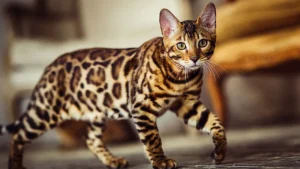
Historically, cats were valued primarily for their ability to hunt rodents. Over time, as societies modernized and pest control methods evolved, the role of cats shifted. Today, they are primarily kept for companionship, emotional support, and aesthetic appeal.
Cats are known to reduce stress, lower blood pressure, and improve mental health. Many studies now recognize the therapeutic benefits of cat ownership, particularly for individuals living alone or dealing with anxiety and depression.
Cats and Other Domestic Animals
Contrary to popular belief, cats can coexist peacefully with dogs and other pets when introduced properly. Their social adaptability depends largely on early exposure, temperament, and environment.
Understanding Modern Cat Breeds
Diversity of Cat Species and Breeds
Today, there are over 70 recognized cat breeds worldwide, each with distinct physical traits, personalities, and care requirements. Some of the most well-known include:
- Siamese: Vocal, affectionate, and highly social.
- Persian: Calm, luxurious-coated cats requiring regular grooming.

- Maine Coon: Large, friendly, and intelligent cats often described as “gentle giants.”
- Bengal: Athletic, energetic, and visually striking with wild markings.
- Sphynx: Hairless, affectionate, and known for their warmth-seeking behavior.
In addition to pedigree breeds, mixed-breed cats—often referred to as domestic shorthairs or longhairs—are among the healthiest and most adaptable feline companions.
Physical and Personality Differences
Each breed varies in activity level, sociability, grooming needs, and health predispositions. Choosing the right breed involves understanding your lifestyle, living space, and ability to meet a cat’s physical and emotional needs.
Choosing a Healthy Cat or Kitten
Selecting a Reputable Source
Before bringing a cat into your home, it is essential to carefully evaluate the source. Whether you choose a breeder, adoption agency, or animal shelter, certain standards should always be met:
- Clean and hygienic living conditions
- Proper nutrition and fresh water
- Adequate space and enrichment
- Healthy appearance with shiny coats and bright eyes
- Socialized behavior and lack of fear

Ethical Breeding Practices
Responsible breeders prioritize the health and well-being of their cats. Kittens should not be separated from their mother too early. Most reputable breeders wait until kittens are at least 12 weeks old, allowing proper immune development and social learning.
Early handling is crucial. Kittens exposed to gentle human interaction tend to grow into confident, affectionate adults with balanced temperaments.
Adoption vs. Purchasing a Cat
Benefits of Adoption
Adopting from shelters or rescue organizations saves lives and often provides you with a cat that has already received vaccinations, spaying or neutering, and basic medical care. Many shelter cats are well-socialized and simply need a second chance at a loving home.
Buying from Breeders
Purchasing from a breeder may be appropriate for individuals seeking specific traits or hypoallergenic breeds. However, due diligence is critical to avoid supporting unethical breeding operations.
Regardless of the method, ensuring your cat’s health and background is far more important than pedigree alone.
Health, Nutrition, and Preventive Care
Veterinary Care and Vaccinations
Healthy cats receive routine veterinary checkups, vaccinations, parasite prevention, and dental care. Preventive health care significantly extends a cat’s lifespan and quality of life.
Modern Feline Nutrition
Today’s cat diets are scientifically formulated to meet nutritional needs at different life stages. High-quality protein, essential fatty acids, and proper hydration are critical for maintaining muscle mass, coat health, and organ function.
Living with Cats in the Modern World
Indoor vs. Outdoor Living
Most veterinarians recommend keeping cats indoors to protect them from traffic, disease, predators, and environmental hazards. Indoor cats can live longer, healthier lives when provided with enrichment such as toys, climbing structures, and interactive play.
Emotional Bond and Communication
Cats communicate through body language, vocalizations, and behavior. Understanding these signals strengthens the bond between cats and their owners, fostering mutual trust and affection.
Conclusion
Cats are truly extraordinary creatures whose journey from wild hunters to beloved household companions reflects one of the most successful relationships between humans and animals. Their intelligence, adaptability, and emotional depth make them uniquely suited to modern life, while their ancient instincts remind us of their fascinating origins.
Whether you are drawn to a rare pedigree breed or a humble shelter cat, the key to a rewarding relationship lies in responsible ownership, informed choices, and genuine care. With proper attention to health, nutrition, and emotional well-being, cats offer years of companionship, comfort, and joy. In every sense, they remain one of humanity’s most amazing and enduring animal partners.
The Remarkable Reality of Bat Echolocation