
 By admin
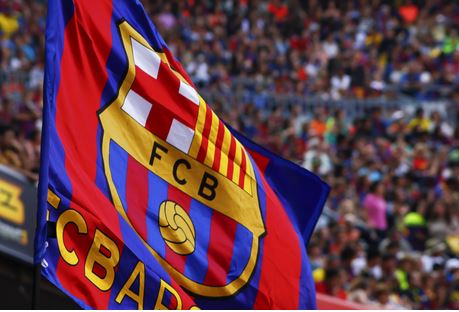
FC Barcelona: A Legacy of Excellence in Football
FC Barcelona, often referred to simply as Barcelona or “Barça,” is one of the most iconic and successful football clubs in the history of the sport. Founded in 1899 by a group of Swiss, English, and Catalan football enthusiasts, the club has grown to become a symbol of Catalan culture and identity. Known for their unique playing style, rich history, and incredible talent, Barcelona has captured the hearts of millions of fans around the world. This article delves into the history, achievements, philosophy, and cultural significance of FC Barcelona, while also addressing the club’s challenges and aspirations for the future.
The Birth of a Football Giant
The history of FC Barcelona began on November 29, 1899, when Hans Gamper and a group of football lovers founded the club in Catalonia. From its early days, Barcelona set itself apart by embracing a unique identity rooted in Catalan pride. The club’s motto, “Més que un club” (“More than a club”), reflects its commitment to being a representation of the Catalan people and their aspirations.

Barcelona played its first official match in 1901, and by 1902, it had already reached its first final. Over the years, the club established itself as a dominant force in Spanish and European football, known for its attacking philosophy and technical excellence.
Achievements and Records
FC Barcelona’s trophy cabinet is one of the most impressive in football history. The club has won numerous domestic and international titles, including:
- La Liga Titles: With over 25 La Liga championships, Barcelona is one of the most successful teams in Spain’s top-tier league.
- Copa del Rey Titles: The club holds the record for the most Copa del Rey victories, emphasizing its dominance in Spanish football.
- UEFA Champions League: Barcelona has won the Champions League multiple times, with memorable triumphs in 1992, 2006, 2009, 2011, and 2015.
- FIFA Club World Cup: Barcelona has claimed several Club World Cup titles, showcasing its global supremacy.
- European Super Cup and Supercopa de España: These titles further cement Barcelona’s reputation as a football powerhouse.
The Barcelona Philosophy: Tiki-Taka
One of the defining characteristics of FC Barcelona is its playing philosophy, commonly known as “tiki-taka.” This style emphasizes short, precise passes, movement off the ball, and maintaining possession. Tiki-taka is not just a strategy but a philosophy deeply ingrained in the club’s culture, largely credited to the influence of Johan Cruyff.
Johan Cruyff: The Architect of Modern Barcelona
Cruyff, a Dutch football legend, revolutionized Barcelona both as a player and a manager. During his managerial tenure in the late 1980s and early 1990s, he implemented a system that emphasized technical skill and teamwork, laying the foundation for the club’s golden era. His philosophy inspired future managers like Pep Guardiola, who further perfected tiki-taka and led Barcelona to unprecedented success.
Legendary Players
Barcelona has been home to some of the greatest football players in history, including:
- Lionel Messi: Widely regarded as the greatest player of all time, Messi spent over two decades at Barcelona, breaking countless records and winning numerous individual and team honors.
- Xavi Hernández and Andrés Iniesta: The midfield maestros epitomized tiki-taka, orchestrating play with unparalleled vision and creativity.
- Ronaldinho: The Brazilian magician brought flair and joy to the game, inspiring a generation of fans and players.
- Carles Puyol: A symbol of leadership and resilience, Puyol captained the team during some of its most successful years.
Other notable names include Johan Cruyff, Hristo Stoichkov, Rivaldo, and Neymar Jr., among many others.
Camp Nou: The Cathedral of Football
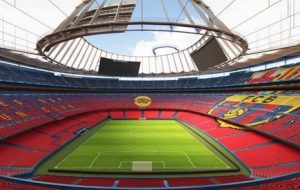
Barcelona’s home stadium, Camp Nou, is a symbol of the club’s grandeur. With a seating capacity of over 99,000, it is the largest stadium in Europe. Camp Nou is not just a venue for matches but also a cultural landmark that hosts millions of visitors every year. The passionate atmosphere created by Barça fans, known as “culers,” adds to the magic of the stadium.
Cultural and Social Significance
FC Barcelona is deeply intertwined with Catalonia’s political and cultural identity. During periods of political repression, such as under Franco’s dictatorship, the club served as a symbol of resistance and a voice for Catalan pride. Today, it continues to be a unifying force for people in the region and a global ambassador for Catalan culture.
Barcelona’s commitment to social responsibility is evident in initiatives like the “Barça Foundation,” which uses sport to promote education, social inclusion, and humanitarian aid worldwide. The club’s philanthropic efforts underscore its motto, “Més que un club.”
Challenges and Resilience
Despite its storied history, FC Barcelona has faced significant challenges in recent years. Financial difficulties, management controversies, and the departure of Lionel Messi in 2021 marked a turbulent period for the club. However, Barcelona’s resilience and commitment to its values remain strong.
Under the leadership of President Joan Laporta, the club has been implementing measures to restore its financial stability and competitiveness. Investments in young talent and a renewed focus on the academy, La Masia, signal a commitment to sustainable growth and a return to glory.
The Future of FC Barcelona
Looking ahead, Barcelona’s goals include reclaiming its position as one of Europe’s top clubs, both on and off the pitch. Key priorities for the club include:
- Youth Development: La Masia, Barcelona’s famed youth academy, remains a cornerstone of the club’s philosophy. Nurturing the next generation of stars is crucial for long-term success.
- Sustainability: Adopting sustainable financial practices and embracing modern technologies will ensure the club’s growth.
- Global Reach: Expanding its global fanbase and commercial ventures will strengthen Barcelona’s influence worldwide.
- Sporting Excellence: Competing for major titles remains at the heart of Barcelona’s ambitions, driven by a blend of experienced players and emerging talent.
Women’s Football: FC Barcelona Femení
Barcelona’s commitment to excellence extends beyond men’s football. FC Barcelona Femení, the women’s team, has become a powerhouse in European football. With multiple domestic league titles and a UEFA Women’s Champions League victory, the team embodies the same values of skill, teamwork, and ambition as their male counterparts.
Players like Alexia Putellas, who has won the Ballon d’Or Féminin, have brought global recognition to the team. The club’s investment in women’s football highlights its dedication to equality and the development of the sport at all levels.
Conclusion
FC Barcelona is more than just a football club; it is a cultural institution, a symbol of resilience, and a beacon of sporting excellence. From its humble beginnings to its dominance on the global stage, Barcelona’s journey is a testament to its unique philosophy and unwavering commitment to its values. As the club navigates challenges and embraces opportunities, its legacy as “Més que un club” remains intact, inspiring fans and aspiring footballers worldwide. The story of FC Barcelona continues to be written, promising new chapters of triumph, innovation, and global influence.
Diego Maradona : Legend of Football