
 By admin
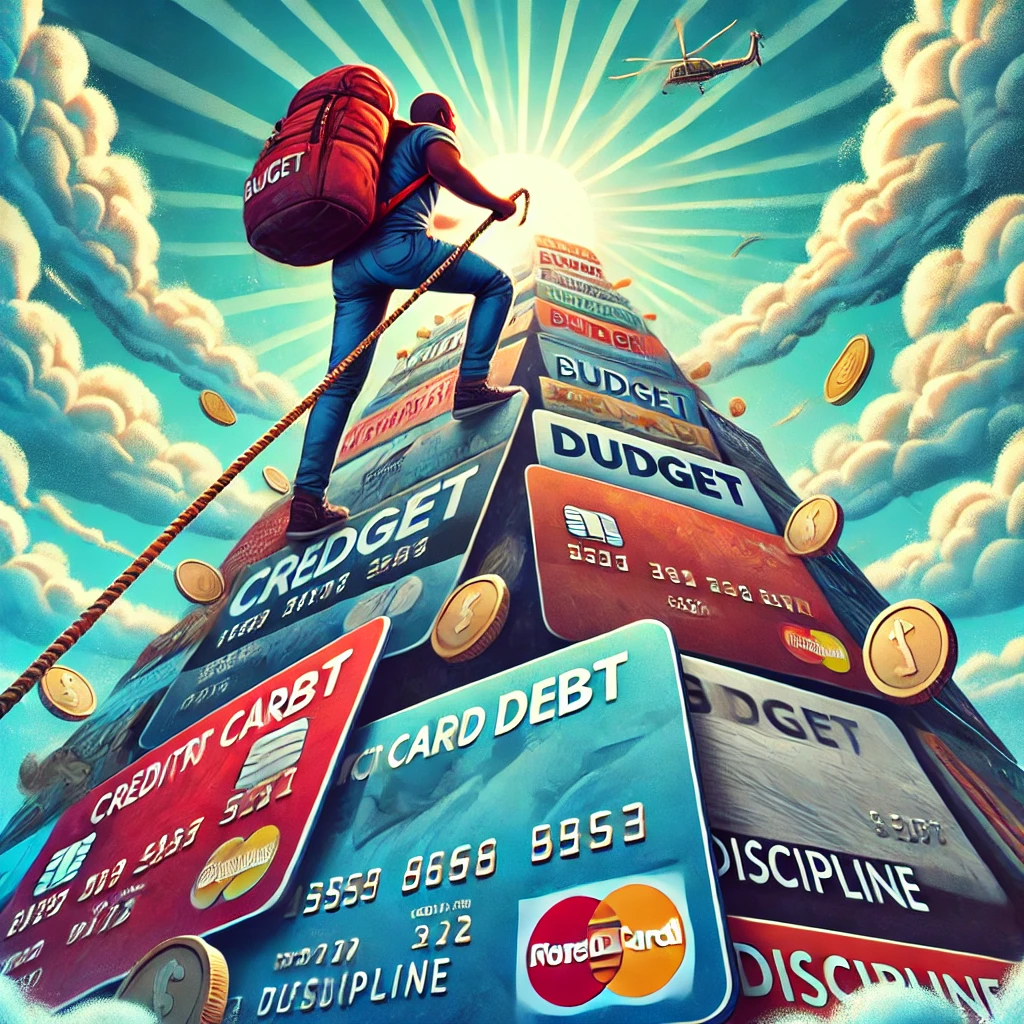
Credit card debt has become a leading factor contributing to over one million bankruptcies annually. While credit cards are convenient and often necessary, they can also lead to financial ruin if not used responsibly. Many individuals find themselves drowning in debt because they fail to understand the terms and conditions of their credit cards. Hidden fees, high-interest rates, and impulsive spending create a recipe for financial disaster. By the time missed payments and late fees accumulate, the balance can grow out of control.
The first step to addressing this issue is understanding where the responsibility lies. While credit card companies may set traps with enticing offers and complex fine print, the ultimate cause of debt is personal behavior. Taking ownership of financial decisions is crucial to overcoming debt and maintaining long-term financial stability.
Understanding the Root Cause of Credit Card Debt
A single shopping spree is rarely the sole cause of excessive credit card debt. Instead, it’s usually a pattern of incremental overspending that adds up over time. Regular small purchases, combined with minimum payments and high interest, can create a snowball effect that leaves you overwhelmed.
The good news is that getting out of debt is possible with discipline and a clear plan. The key is to consistently spend less than you earn. While this may sound straightforward, implementing this strategy requires significant lifestyle adjustments and strong willpower. Without a firm commitment to change, it’s easy to fall back into old habits and find yourself in the same financial predicament.
Steps to Get Out of Credit Card Debt
- Assess Your Current Financial Situation
Start by gathering all your credit card statements to understand your total debt. Create a list of all your debts, including interest rates, minimum payments, and due dates. This will give you a clear picture of what you owe and help you prioritize repayment.
- Create a Budget
A well-structured budget is essential for managing your finances. Track your income and expenses to identify areas where you can cut back. Allocate a portion of your income specifically for debt repayment. Use budgeting tools or apps to stay organized and monitor your progress.
- Prioritize Your Debts
There are two popular methods for prioritizing debt repayment:
- Debt Snowball Method: Focus on paying off the smallest debts first while making minimum payments on larger debts. This approach provides psychological motivation as you see quick wins.
- Debt Avalanche Method: Prioritize debts with the highest interest rates to save money over time. While it may take longer to see results, this method minimizes the total amount of interest paid.
Choose the method that best aligns with your financial goals and personality.
- Negotiate With Creditors
Many credit card companies are willing to work with customers to create manageable payment plans. Contact your creditors to negotiate lower interest rates or request a temporary reduction in payments. Be honest about your financial situation and explore options like balance transfer offers or debt consolidation loans with lower interest rates.
- Stop Using Credit Cards
To prevent further debt accumulation, stop using your credit cards entirely until you have paid off your balances. Use cash or a debit card for purchases to avoid the temptation of overspending.
- Increase Your Income
If possible, look for ways to boost your income. Consider taking on a part-time job, freelancing, or selling unused items to generate extra cash for debt repayment. Even small additional amounts can make a significant difference over time.
- Build an Emergency Fund
An emergency fund acts as a financial safety net and helps prevent reliance on credit cards during unexpected expenses. Start by saving a small amount each month and gradually build up to at least three to six months’ worth of living expenses.
Staying Out of Credit Card Debt
Getting out of debt is only half the battle; staying out of debt requires ongoing commitment and financial discipline. Here are some strategies to ensure you remain debt-free:
- Adopt a Pay-As-You-Go Mentality
One of the simplest rules to follow is: If you don’t have the money to spend, don’t spend it. Avoid financing lifestyle upgrades with credit cards. Instead, save up for big purchases and pay with cash or debit.
- Pay Your Balance in Full Each Month
Once you’ve paid off your credit card debt, aim to pay your balance in full every month. This prevents interest from accruing and helps maintain a healthy credit score. Set up automatic payments to ensure you never miss a due date.
- Avoid Impulse Spending
Impulse purchases can derail your financial goals. Before making a purchase, ask yourself if it’s a necessity or a luxury. Waiting 24 to 48 hours before buying something can help you make more thoughtful decisions.
- Monitor Your Credit Report
Regularly review your credit report to ensure accuracy and identify any signs of fraud or identity theft. You’re entitled to a free credit report from each of the three major credit bureaus (Equifax, Experian, and TransUnion) once a year.
- Set Financial Goals
Establish clear financial goals to keep yourself motivated and focused. Whether it’s saving for a house, building retirement savings, or funding a vacation, having tangible objectives can help you stay disciplined.
- Use Credit Cards Responsibly
If you choose to continue using credit cards, do so responsibly. Limit the number of cards you carry, and only charge what you can afford to pay off in full. Treat credit cards as a tool for convenience rather than a source of extra income.
The Benefits of Being Debt-Free
Becoming debt-free offers numerous benefits beyond financial relief. It reduces stress, improves mental health, and provides greater freedom to pursue life goals. Without the burden of credit card debt, you can focus on building wealth, investing in your future, and enjoying peace of mind.
Final Thoughts
Escaping the cycle of credit card debt is challenging but achievable. It requires a combination of financial discipline, careful planning, and unwavering commitment. By taking proactive steps to reduce your debt and adopting habits that promote long-term financial health, you can break free from the chains of credit card debt and create a more secure future. Remember, the key to success lies in consistently spending less than you earn and making informed financial decisions. With determination and effort, you can regain control of your finances and achieve lasting financial stability.