
 By admin
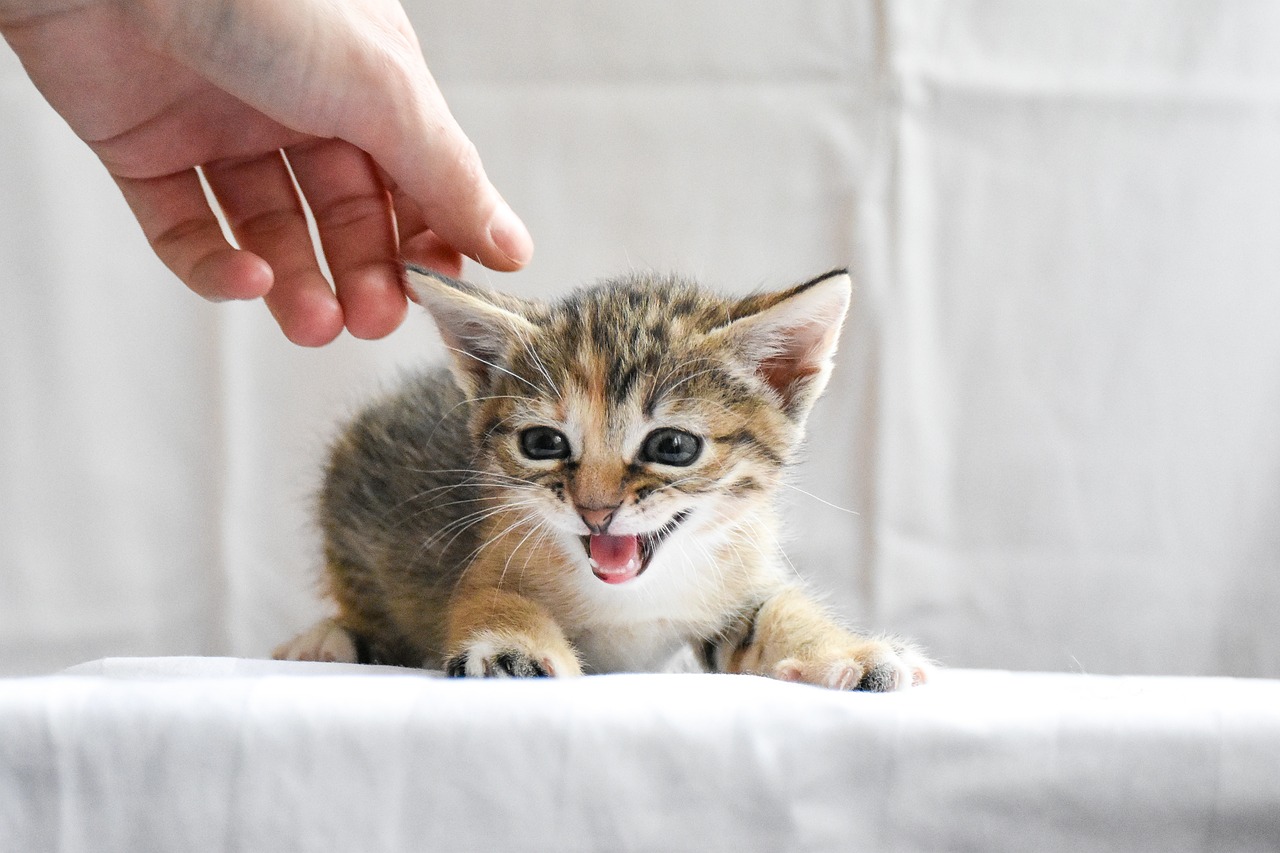
Comprehensive Cat Sitter Guide: Ensuring Your Cat’s Safety and Comfort
Leaving your beloved feline companion behind while traveling can be a challenging experience. Whether it’s a short trip or an extended absence, ensuring your cat’s well-being requires careful planning and the right cat sitter. This guide provides detailed tips and strategies to guarantee your cat receives the best care while you’re away.

Selecting the Right Cat Sitter
Choosing a trustworthy and capable cat sitter is the cornerstone of ensuring your cat’s safety. Ideally, your cat sitter should be someone familiar with your pet’s routine and temperament. Here are the top considerations:
- Trusted Individuals: Enlist the help of someone you already know, such as a responsible neighbor, a relative, or a trustworthy friend. Teens in your neighborhood often make great candidates if they have prior experience with pets.
- Professional Pet Sitters: If no one from your personal network is available, consider hiring a professional pet sitter. Many pet sitting companies specialize in cat care and have trained staff to handle different situations.
- House Sitters for Extended Trips: For absences exceeding a week or if you have multiple pets, consider having someone stay overnight at your home. This arrangement ensures your cat has consistent companionship and care.
- Background Checks and References: Verify the sitter’s reliability by checking references and conducting background checks, especially if you’re hiring someone new.

Preparing for the Cat Sitter
Thorough preparation ensures your sitter has all the tools and information necessary to care for your cat properly.
Create a Detailed Information Sheet
Compile a comprehensive guide for the sitter. Include the following:
- Cat Profiles: List each cat’s name, physical description (e.g., fur color, size), personality traits, likes, dislikes, and favorite hiding spots.
- Dietary Needs: Detail feeding schedules, portion sizes, and any special dietary requirements.
- Medical Information: Include information about medications, allergies, or ongoing health concerns, along with step-by-step instructions for administering treatments.
- Emergency Contacts: Provide your contact number, a backup contact, and your veterinarian’s details, including after-hours services.
Organize Supplies
Ensure all necessary supplies are readily accessible:
- Food and Feeding Supplies: Leave ample cat food, bowls, and a can opener (if needed).
- Litter Box Essentials: Provide sufficient litter, scoops, and cleaning supplies.
- Toys and Comfort Items: Keep your cat’s favorite toys and bedding available to maintain a sense of familiarity and comfort.
- Carriers and Emergency Items: Place cat carriers near the door for emergencies, and include a first-aid kit for pets.
Communicating Expectations
Clear communication with your sitter is vital. Schedule a walkthrough of your home to demonstrate your cat’s routine and highlight important details. Use this opportunity to:
- Show the location of supplies and how to use them.
- Explain feeding routines and litter box maintenance.
- Demonstrate how to handle your cat, especially if they’re shy or require special care.
- Highlight any household rules or security measures, such as locking doors and setting alarms.

Emergency Preparedness
Emergencies can occur, so it’s essential to plan for unforeseen situations:
- Financial Arrangements: Leave emergency funds for vet visits or unexpected costs. A minimum of $20 is recommended, but adjust based on the length of your trip.
- Vet Authorization: Inform your vet about your travel plans. Share your contact information, authorize the sitter to make medical decisions, and provide payment details for any necessary treatments.
- Contingency Plans: Identify a backup sitter who can step in if the primary sitter becomes unavailable.
Additional Tips for Success
To make the experience smooth for both your cat and the sitter:
- Daily Check-Ins: Ask your sitter to send daily updates, including photos or videos, to reassure you of your cat’s well-being.
- Trial Runs: Before your trip, schedule a trial sitting session to familiarize your cat with the sitter and address any issues in advance.
- Minimize Disruption: Maintain your cat’s routine as much as possible. Sudden changes can cause stress, especially for sensitive cats.
- Safety First: Ensure all potential hazards, such as toxic plants or open windows, are addressed before leaving.
Returning Home
After your trip, assess your cat’s condition and inquire about the sitter’s experience. Take time to:
- Inspect your cat for signs of stress or illness.
- Review any notes or updates from the sitter.
- Thank your sitter and compensate them appropriately for their efforts.

Final Thoughts
Leaving your cat in someone else’s care can be nerve-wracking, but with careful planning and the right sitter, your feline friend will stay safe, happy, and healthy. A reliable cat sitter not only provides basic care but also ensures your peace of mind, allowing you to focus on your travels. Follow these comprehensive tips to create a seamless experience for everyone involved, and remember, a little preparation goes a long way in keeping your cat content while you’re away.
Effective Tips for Stopping Cat Spraying