
 By admin
The Power-Packed Acai Berry: A Comprehensive Guide
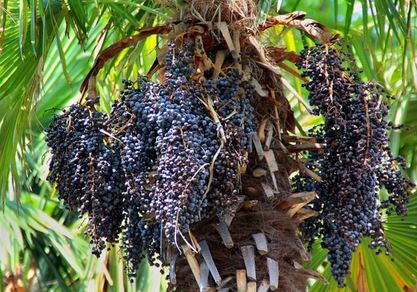
The acai berry, a small, dark purple fruit native to the Amazon rainforests of South America, has gained global recognition for its exceptional health benefits and nutritional properties. Despite its size, the acai berry is often hailed as a “superfood” for its high concentration of antioxidants, essential fatty acids, and other vital nutrients. This article delves into the origins, nutritional benefits, and uses of the acai berry, while highlighting its unique attributes and why it has become a staple in health-conscious diets.
The Unique Composition of the Acai Berry
The acai berry is distinctive in that only 10% of the fruit is edible. A large stone occupies the majority of its volume, leaving the remaining portion, rich in nutrients, for consumption. Slightly smaller than a grape, the berry has a dark purple hue and a taste often described as a blend of red wine and chocolate. This unique flavor profile makes it a popular ingredient in smoothies, energy bars, and desserts. However, due to its perishability, the berry requires rapid processing after harvest to retain its nutritional value.

Origins and Harvesting Practices
Acai berries grow on the acai palm tree (Euterpe oleracea), predominantly found in the Amazon rainforest. This untouched natural habitat ensures that the fruit is organically grown without any interference from industrial farming practices. For centuries, the indigenous people of the Amazon have cultivated and consumed acai berries, valuing them for their health-enhancing properties. These communities typically prepare the berries as a puree or blend them into nutrient-rich smoothies, often served along Brazil’s beaches and tropical resorts.
Nutritional Powerhouse
Antioxidant Properties
One of the acai berry’s standout features is its high concentration of anthocyanins, a type of antioxidant known for combating cholesterol, reducing free radicals, and improving cardiovascular health. Research indicates that the berry contains 30 times more anthocyanins than red wine, making it a potent ally in preventing blood-related disorders and promoting overall vascular health.
Essential Fatty Acids and Heart Health
The acai berry is also rich in oleic acid, an omega-9 fatty acid that supports heart health. Oleic acid helps regulate cholesterol levels and has been shown to suppress oncogenes, which are associated with certain types of cancer, including breast cancer.
High Fiber and Essential Nutrients
In addition to its antioxidant and fatty acid content, the acai berry is an excellent source of dietary fiber, which aids digestion and promotes gut health. The skin of the berry contains an array of essential nutrients, including:
- Phytosterols: Support cholesterol management and cell membrane health.
- Vitamins C and E: Enhance immune function and skin health.
- Minerals: Manganese, chromium, copper, boron, and calcium — with acai offering more calcium per serving than milk.
Additional Health Benefits
Immune System Support
Acai berries are known to boost the immune system due to their rich antioxidant content. Studies have suggested that consuming acai may help combat viruses and improve lipoprotein metabolism, further strengthening the body’s defenses.

Aphrodisiac Properties
Interestingly, the acai berry is reputed to have aphrodisiac qualities. When combined with guarana, another South American fruit, the berry’s revitalizing properties are said to enhance energy levels and improve sexual health. This powerful combination underscores acai’s role in promoting vitality and overall well-being.
Energy and Stamina
Regular consumption of acai can lead to increased energy and stamina. The berry is a natural source of protein, containing more than an egg white, and acts as a revitalizing agent, providing sustained energy throughout the day. It also aids in improving mental focus and enhancing sleep quality.
Culinary Uses and Consumption
Due to its short shelf life, fresh acai berries are rarely available outside their native regions. In North America and other parts of the world, acai is typically found in frozen or pureed forms, as well as in supplements and powders. Common ways to incorporate acai into your diet include:
- Smoothies: Blending acai puree with fruits like bananas, strawberries, and blueberries for a nutritious drink.
- Bowls: Combining acai with granola, nuts, and fresh fruit for a wholesome breakfast or snack.
- Energy Bars: Using acai powder as an ingredient in homemade or store-bought energy bars.
- Desserts: Mixing acai with ice cream or yogurt for a guilt-free treat.
Challenges and Availability
One of the challenges associated with the acai berry is its perishability. The fruit begins to spoil shortly after harvest, necessitating immediate processing to preserve its nutrients. This is why acai is often sold as frozen puree, dried powder, or incorporated into other products. Despite this limitation, its popularity continues to grow, with health enthusiasts worldwide embracing its benefits.

The Future of Acai
As research into the health benefits of acai continues, the berry’s reputation as a superfood is further solidified. Its potential in combating chronic diseases, improving digestive health, and promoting overall wellness makes it an invaluable addition to any diet. Moreover, sustainable harvesting practices in the Amazon ensure that the fruit remains a vital resource for both local communities and global consumers.
Conclusion
The acai berry is a small fruit with a big impact. Packed with antioxidants, essential fatty acids, fiber, and a host of vitamins and minerals, it is a nutritional powerhouse that supports heart health, boosts immunity, and enhances overall vitality. Whether enjoyed in smoothies, bowls, or supplements, acai offers a versatile and delicious way to embrace a healthier lifestyle. As more people discover the remarkable benefits of this Amazonian superfood, its place in the global health and wellness market is only set to grow.