
 By admin
How the Pope Is Chosen: A Comprehensive Guide to Papal Elections
Introduction
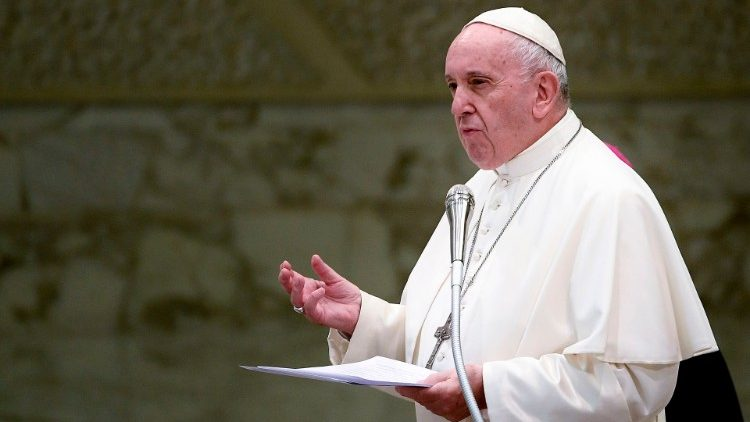
The Pope, also known as the Bishop of Rome, is the spiritual leader of more than 1.3 billion Catholics worldwide. As the head of the Roman Catholic Church and the sovereign of Vatican City, the Pope plays a vital role in global religious leadership and diplomacy. But how is such a powerful and influential figure selected? The process of electing a new Pope is steeped in centuries-old traditions, solemn rituals, and deeply spiritual considerations. Known as the papal conclave, this unique and secretive procedure has been refined through history to ensure that the chosen leader reflects the will of God as interpreted by the College of Cardinals.
This article will delve into the step-by-step process of selecting a new Pope, from the moment a papal seat becomes vacant to the announcement of “Habemus Papam!” (“We have a Pope!”). We will also examine the historical evolution of papal elections, the role of the College of Cardinals, modern updates to the process, and the symbolic significance of each ritual. Let us explore how the Roman Catholic Church elects one of the most globally recognized religious figures.
The Vacancy of the Holy See
When the Papal Seat Becomes Vacant
The process of electing a new Pope begins with the vacancy of the Holy See, which occurs either due to the Pope’s death or resignation. The resignation of Pope Benedict XVI in 2013 was a rare occurrence—the first in nearly 600 years. Most popes serve until death, after which a specific protocol is initiated.
The Role of the Camerlengo
Upon the Pope’s death or resignation, the Camerlengo (Chamberlain of the Holy Roman Church) takes charge of administrative duties. He officially verifies the death, seals the papal apartments, and organizes the initial logistics of the transition. The Camerlengo also prepares for the conclave and ensures that no decisions are made that would alter the Church’s structure until a new Pope is elected.
The College of Cardinals: Electors of the Pope
Who Are the Cardinals?
The College of Cardinals is made up of senior clergy appointed by the Pope, who typically serve as advisors and administrators in various global dioceses or in the Roman Curia (the Church’s central governing body). Only cardinals under the age of 80 are eligible to vote in the conclave. This rule, established by Pope Paul VI in 1970, ensures that only active and able individuals partake in the papal election.
Number of Electors
The maximum number of electors is capped at 120. These cardinals travel from all over the world to convene in Vatican City upon the vacancy of the papal seat.
The Papal Conclave: Sacred and Secret
Meaning of “Conclave”
The word “conclave” comes from the Latin “cum clave,” meaning “with a key.” It signifies the secretive and locked environment in which the cardinals must remain until a new Pope is elected.
Location and Preparation
The conclave is held in the Sistine Chapel, a holy place adorned with Michelangelo’s masterpieces. The cardinals are sequestered in the Domus Sanctae Marthae (Saint Martha’s House), where they live during the election process. The Vatican ensures the area is completely sealed off from the outside world, with electronic jamming devices and strict security to prevent leaks.
Oath of Secrecy
Before the voting begins, each cardinal takes an oath of secrecy, swearing not to reveal any information about the proceedings. Breaking this oath results in automatic excommunication.
Voting for the New Pope
The Balloting Process
Voting is conducted in a highly ritualistic manner. Each cardinal writes the name of his chosen candidate on a ballot, folds it, and walks up to place it on a gold and silver plate before dropping it into a chalice. The ballots are then counted and burned.
-
To be elected, a candidate must receive two-thirds of the votes.
-
If no candidate achieves this majority, the voting continues with up to four rounds of voting per day (two in the morning, two in the afternoon).
Smoke Signals: White or Black
The burned ballots create smoke signals that inform the public of the election’s progress:
-
Black smoke (fumata nera) indicates no decision has been made.
-
White smoke (fumata bianca) signals the successful election of a new Pope.
In modern times, chemicals are added to ensure the color is unmistakable.
Acceptance and Announcement
Do You Accept?
Once a cardinal receives the necessary votes, the Dean of the College of Cardinals asks him: “Do you accept your canonical election as Supreme Pontiff?” If he accepts, he immediately becomes Pope, even before the public is informed.
Choosing a Papal Name
The new Pope chooses a regnal name, often inspired by a past Pope or saint he admires. For example, Pope Francis took his name from Saint Francis of Assisi, symbolizing humility and care for the poor.
The Announcement: Habemus Papam
After acceptance, the Cardinal Protodeacon steps onto the balcony of St. Peter’s Basilica and proclaims the famous words:
“Annuntio vobis gaudium magnum: Habemus Papam!”
“I announce to you a great joy: We have a Pope!”
The new Pope then appears to give his first Urbi et Orbi blessing (“To the city and to the world”).
Modern Developments in Papal Elections
Changes by Pope John Paul II and Benedict XVI
In recent decades, changes have been made to ensure fairness, transparency, and efficiency. Pope John Paul II’s constitution “Universi Dominici Gregis” set modern rules for the conclave. Benedict XVI further clarified procedures, including allowing for immediate election by a simple majority under specific conditions (later revoked by Pope Francis).
Technology and Security Measures
To prevent outside influence, modern conclaves employ electronic jamming, sweeps for bugs, and tight surveillance. Cardinals are not allowed to use phones, computers, or any form of communication with the outside world.
Historical Evolution of the Papal Election
Early Church Practices
In the early centuries, the Pope was elected by the clergy and the people of Rome. Political interference was common, especially during the Middle Ages when kings and emperors often had undue influence.
Development of the Conclave
The conclave system as we know it was established in 1274 at the Second Council of Lyon, after several lengthy papal vacancies. The new rules forced cardinals to remain in seclusion until a decision was made, often under austere conditions.
Notable Papal Elections in History
Pope John Paul II (1978)
His election marked the first non-Italian Pope in 455 years. A native of Poland, his selection signaled a global shift in the Church.
Pope Benedict XVI (2005)
Known for his theological expertise, his election was swift and decisive. His resignation in 2013 stunned the world.
Pope Francis (2013)
The first Jesuit and the first Pope from the Americas, Pope Francis emphasized inclusivity, environmental responsibility, and humility.
Conclusion
The process of selecting a new Pope is a profound and spiritual event that reflects both tradition and modern adaptation. From the death or resignation of a Pontiff to the white smoke rising over Vatican City, every step is steeped in solemnity, symbolism, and secrecy. Despite being centuries old, the conclave remains a vital institution, adapting to contemporary needs while preserving its sacred heritage. The Pope’s selection continues to shape the future of the Catholic Church and impacts global religious, moral, and political landscapes. As the Church faces new challenges, the process ensures that its leadership is chosen with prayerful discernment, unity, and faith.
The Crucial Roles of the FBI and CIA