
 By admin
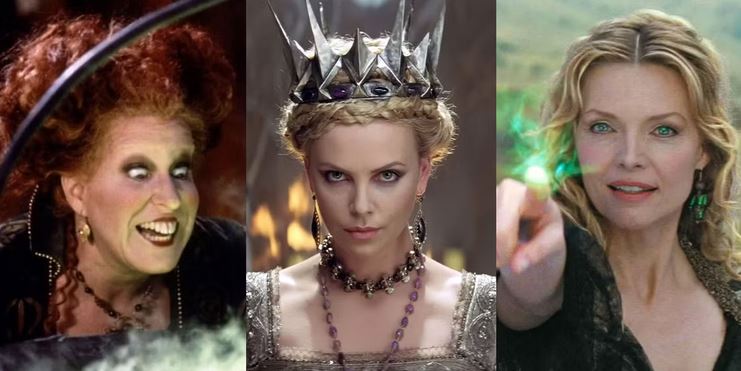
Introduction: Witches as Cultural Icons of the Silver Screen
Witches have long stood at the crossroads of fear and fascination in the cinematic universe. From their ancient folkloric roots to their evolving portrayals in contemporary film, these magical figures have bewitched audiences for nearly a century. Whether sinister and shadowy or empowered and misunderstood, witches serve as reflections of our deepest societal anxieties and aspirations. As symbols of rebellion, wisdom, danger, and mystery, their cinematic portrayals offer insights into shifting attitudes about gender, power, and the unknown.
This in-depth exploration delves into the most iconic witches in film history—those who have left a lasting impact on popular culture and storytelling. Through classic horror, whimsical family features, complex fantasy worlds, and subversive indie films, witches have shape-shifted through genres and generations. From broomsticks and black cats to feminist allegories and psychological horror, let’s uncover the spellbinding legacy of witches in cinema.
1. Witches in Classic Cinema: Archetypes That Shaped a Genre
1.1 The Wicked Witch of the West – The Wizard of Oz (1939)
Margaret Hamilton’s terrifying performance as the Wicked Witch of the West remains the definitive image of cinematic witchcraft. Her green skin, pointed hat, and high-pitched cackle became an enduring symbol of evil in pop culture. Though on screen for a relatively short time, her presence was so commanding that she redefined the witch archetype for generations. She represented not only magical malevolence but also the dangers of female power in a patriarchal society—a theme that would echo through many future portrayals.
1.2 The Evil Queen – Snow White and the Seven Dwarfs (1937)
As Disney’s first animated villain, the Evil Queen sets the standard for beauty-obsessed sorceresses. When vanity transforms her into a vengeful hag, her magical persona becomes a warning about unchecked ambition and jealousy. Her dual identity—glamorous queen and grotesque crone—exemplifies the era’s binary thinking about women and morality. Her influence is visible in countless animated and live-action witch characters that followed.
2. Horror Film Witches: Agents of Terror, Ritual, and the Occult
2.1 Minnie Castevet – Rosemary’s Baby (1968)
Roman Polanski’s horror masterpiece redefined witches as everyday people hiding in plain sight. Ruth Gordon’s Academy Award-winning performance as Minnie Castevet—a seemingly harmless neighbor—embodies creeping dread. This film introduced a more psychological, conspiratorial type of witchcraft, embedding supernatural terror within the mundane. It shifted the cinematic witch from forests and fairy tales into city apartments and suburban homes.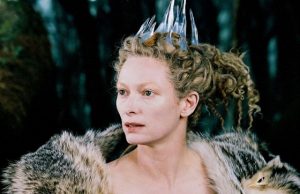
2.2 Suspiria – Original (1977) & Remake (2018)
Both versions of Suspiria focus on a dance academy that secretly functions as a coven. In Argento’s original, witches are surreal and sensory, driving horror through atmosphere. Luca Guadagnino’s 2018 remake expands the mythology, exploring themes of femininity, trauma, and transformation. The witches in this version are not just villains but symbols of maternal complexity and historical pain. Their power is terrifying, but also rooted in generational suffering and resilience.
3. Fantasy and Adventure Witches: Empowerment and Complexity
3.1 Hermione Granger – Harry Potter Series (2001–2011)
Emma Watson’s portrayal of Hermione Granger revolutionized the idea of what a witch could be. Brilliant, brave, and deeply compassionate, Hermione represents intellect and strength over brute force. She’s a role model for young girls and a symbol of how witchcraft can signify growth, identity, and empowerment. The Harry Potter franchise reimagines witches as nuanced beings, with their own moral codes and emotional journeys, rather than mere foils to heroes.
3.2 Jadis the White Witch – The Chronicles of Narnia: The Lion, the Witch and the Wardrobe (2005)
Tilda Swinton’s chilling portrayal of the White Witch offers a more elegant but equally terrifying type of magical villain. Her icy powers and oppressive rule of Narnia portray a world where beauty and danger coexist. Jadis is a metaphor for authoritarianism cloaked in charisma. Her manipulative charm and cold demeanor have made her one of the most memorable witches in modern fantasy.
4. Comedy and Family Witches: Magic with a Touch of Humor
4.1 Winifred Sanderson – Hocus Pocus (1993 & 2022)
In Hocus Pocus, Bette Midler’s Winifred Sanderson, alongside her comical sisters, reinvents witches as both menacing and hilarious. Their flamboyant performances, catchy musical numbers, and fish-out-of-water antics made the film a Halloween staple. The 2022 sequel reintroduced the trio to a new generation, reinforcing their timeless appeal. These witches entertain while retaining the edge of danger, showing that evil can also be absurdly fun.
4.2 Sabrina Spellman – Sabrina the Teenage Witch & Chilling Adventures of Sabrina
From the 90s sitcom to the darker Netflix reboot, Sabrina Spellman remains a beloved magical icon. The earlier version, starring Melissa Joan Hart, brought witchcraft into suburban teen life with humor and heart. Kiernan Shipka’s portrayal in Chilling Adventures embraces a gothic, feminist tone, exploring themes of identity, autonomy, and the dark cost of power. Together, they offer two compelling sides of a young woman navigating magic and maturity.
5. Animated and Symbolic Witches: Artistry and Allegory
5.1 Kiki – Kiki’s Delivery Service (1989)
Hayao Miyazaki’s gentle and deeply human depiction of witchhood in Kiki’s Delivery Service is unlike any other. Kiki is not feared or ostracized—she’s simply a girl trying to find her purpose. Her magic becomes a metaphor for creativity, independence, and adolescence. It’s a beautiful coming-of-age tale that turns witchcraft into an emotional journey rather than a source of conflict or fear.
5.2 Yubaba – Spirited Away (2001)
Another of Miyazaki’s creations, Yubaba, is both grotesque and matriarchal, embodying greed, control, and strange tenderness. Her bathhouse for spirits functions as a symbolic realm of transformation. Yubaba’s layered character resists categorization—she is neither wholly evil nor entirely kind. Drawing from Japanese folklore, she offers an alternative to the Western witch model, grounded in moral ambiguity and mystical symbolism.
6. Modern Reimaginings: Subversion, Feminism, and Psychological Depth
6.1 Thomasin – The VVitch: A New-England Folktale (2015)
Robert Eggers’ period horror film reinterprets witchcraft as both a supernatural and sociological phenomenon. Anya Taylor-Joy’s Thomasin is a victim of religious paranoia and patriarchal repression, slowly pushed into embracing a darker destiny. The film suggests that societal fear creates witches more effectively than spells ever could. Witchcraft becomes a symbol of female autonomy in the face of puritanical control.
6.2 Elaine – The Love Witch (2016)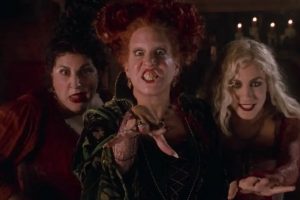
Directed by Anna Biller, The Love Witch is a feminist deconstruction of sex, power, and obsession. Elaine, the titular witch, uses love spells to manipulate men, but beneath her retro glamor lies a critique of objectification and emotional dependency. The film plays with 60s aesthetics while delivering a sharp, modern message. Elaine isn’t just a sorceress—she’s a mirror reflecting society’s contradictions about femininity and desire.
Conclusion: The Everlasting Allure of the Cinematic Witch
The witch remains one of the most enduring and versatile figures in film history. As a vessel for fear, fantasy, empowerment, and rebellion, the cinematic witch evolves with the times—shifting from monstrous hag to feminist icon, from fairy tale villain to psychological metaphor. These characters continue to captivate audiences because they embody mystery, transformation, and defiance. Whether cackling in castles, dancing in covens, or quietly conjuring power behind the scenes, witches remind us of the magic that exists beyond the boundaries of the ordinary.
As cinema continues to explore themes of identity, gender, and morality, the witch remains a powerful conduit for storytelling—a character who defies conventions and inspires both awe and introspection. And perhaps that’s the greatest spell of all.
A Deep Dive into the Papal Conclave