
 By admin
Introduction
Acid reflux disease—also known as gastroesophageal reflux disease (GERD)—is a common digestive disorder that affects millions of people worldwide. Characterized by the backflow of stomach acids into the esophagus, this condition can lead to uncomfortable and sometimes serious symptoms if left untreated. With a growing body of medical research and heightened awareness about digestive health, recognizing the symptoms of acid reflux has become more important than ever. This article explores the causes, common and uncommon symptoms, risk factors, and modern treatment approaches to help you better understand your body and manage this chronic condition effectively.
What Is Acid Reflux Disease?
The Role of the Digestive System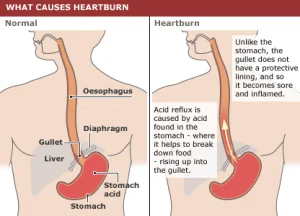
To understand acid reflux, it’s essential to grasp how digestion works. The human digestive system uses stomach acids to break down food, a process crucial for nutrient absorption. Normally, after digestion in the stomach, food is moved into the small intestine. A muscular valve called the lower esophageal sphincter (LES) prevents stomach contents from rising back into the esophagus.
In acid reflux disease, however, the LES weakens or relaxes inappropriately, allowing acid to escape from the stomach and enter the esophagus. Since the esophageal lining is not equipped to handle such acidity, this leads to irritation, inflammation, and the hallmark symptoms of the condition.
Key Risk Factors for Acid Reflux
Understanding the triggers that contribute to acid reflux can help prevent flare-ups and manage symptoms.
Common Risk Factors:
-
Dietary choices: High-fat foods, spicy meals, chocolate, onions, citrus, tomatoes, and caffeine are known triggers.
-
Lifestyle habits: Smoking, alcohol consumption, eating large meals, and lying down after eating can worsen reflux.
-
Medications: Some painkillers, antihistamines, and blood pressure drugs can relax the LES.
-
Obesity: Extra abdominal pressure can increase the likelihood of reflux.
-
Pregnancy: Hormonal changes and physical pressure from the growing fetus can contribute to acid reflux.
-
Age: Individuals over 40 are more likely to experience persistent symptoms.
Typical (Esophageal) Symptoms of Acid Reflux
Roughly 70% of GERD patients report what are known as typical symptoms, which directly involve the esophagus. These include:
1. Heartburn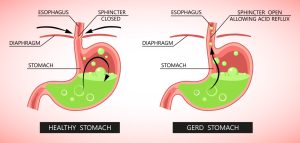
Heartburn is the most recognized symptom of acid reflux. It manifests as a burning sensation behind the breastbone, often radiating up into the throat or neck. This discomfort typically worsens after eating, bending over, or lying down.
Key facts about heartburn:
-
Affects approximately 75% of GERD patients at night.
-
Often more intense and disruptive during nighttime episodes.
-
Can be triggered by large meals, spicy foods, or physical activity.
2. Regurgitation
Regurgitation occurs when stomach contents flow back into the throat or mouth, leaving a sour or bitter taste. This symptom can be particularly distressing during sleep or after eating.
Potential complications:
-
Acid entering the lungs may trigger coughing or respiratory infections.
-
Frequent regurgitation can damage dental enamel.
3. Dyspepsia
Dyspepsia refers to discomfort in the upper abdomen, including bloating, nausea, and fullness after eating. About 50% of acid reflux patients report this syndrome, although not everyone with dyspepsia has GERD.
Atypical (Extraesophageal) Symptoms of Acid Reflux
A significant number of patients do not present with classic symptoms like heartburn or regurgitation. Instead, they may experience less obvious signs of acid reflux, often leading to misdiagnosis.
1. Throat and Voice Issues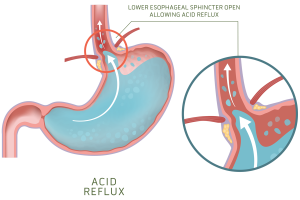
Acid reflux can reach the throat and larynx, leading to a condition known as laryngopharyngeal reflux (LPR).
Symptoms include:
-
Hoarseness or voice changes
-
Chronic sore throat
-
A sensation of a lump in the throat (globus)
-
Dry, persistent cough
-
Frequent throat clearing
In severe cases, patients may suffer from dysphagia, or difficulty swallowing. Food may seem to get stuck in the throat, causing panic and discomfort. Choking episodes and severe chest pain may also occur.
2. Respiratory Symptoms
When stomach acid enters the respiratory tract, it can provoke:
-
Chronic coughing
-
Wheezing
-
Asthma-like symptoms
-
Recurrent respiratory infections
This occurs when the acidic contents reach the lungs via aspiration, causing bronchoconstriction or airway inflammation.
3. Nausea and Vomiting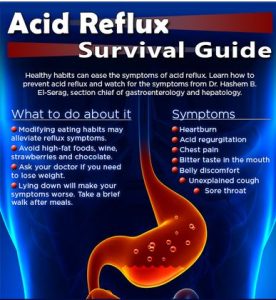
Persistent nausea lasting for weeks may be a symptom of acid reflux. In rare cases, patients may vomit once or more daily. These signs should not be overlooked, especially if they are accompanied by weight loss or fatigue.
When to Seek Medical Help
If you experience frequent or severe symptoms of acid reflux—especially at night—it’s essential to consult a healthcare provider. Left untreated, chronic acid reflux can lead to more serious conditions such as:
-
Esophagitis (inflammation of the esophagus)
-
Esophageal ulcers
-
Barrett’s esophagus (a precancerous condition)
-
Esophageal cancer
Early diagnosis and lifestyle modification can significantly improve outcomes and quality of life.
Diagnostic Tools for Acid Reflux
To confirm acid reflux disease, physicians may use several diagnostic tests:
-
Upper endoscopy: Allows direct visualization of the esophagus and stomach lining.
-
24-hour pH monitoring: Measures acid levels in the esophagus.
-
Esophageal manometry: Assesses muscle function in the esophagus.
-
Barium swallow X-ray: Detects structural abnormalities.
Modern Treatment Options
1. Lifestyle Modifications
Effective symptom management often begins with simple changes:
-
Elevate the head while sleeping
-
Avoid eating 2–3 hours before bed
-
Eat smaller, more frequent meals
-
Reduce intake of trigger foods
-
Maintain a healthy weight
-
Quit smoking and reduce alcohol
2. Over-the-Counter Medications
-
Antacids: Provide immediate relief by neutralizing stomach acid.
-
H2 blockers: Reduce acid production (e.g., ranitidine, famotidine).
-
Proton pump inhibitors (PPIs): Stronger acid reducers often used for long-term control (e.g., omeprazole, esomeprazole).
3. Prescription Medications
For chronic or severe cases, physicians may prescribe higher doses or long-term therapies. These may also be used to heal esophageal damage.
4. Surgical Options
Patients who do not respond to medication may benefit from surgical intervention:
-
Fundoplication: Tightens the LES to prevent acid backflow.
-
LINX device: A ring of magnetic beads placed around the LES to keep it closed except during swallowing.
Conclusion
Acid reflux disease is more than just an occasional discomfort—it’s a chronic condition that can significantly affect your well-being if not properly managed. By understanding the wide range of symptoms—from the typical burning in the chest to less obvious throat and respiratory issues—you can better identify warning signs and take proactive steps. Lifestyle changes, medication, and in some cases, surgical treatments can provide lasting relief. The key lies in listening to your body and seeking timely medical attention when symptoms persist.
Why Do We Cry When We Cut Onions?