
 By admin
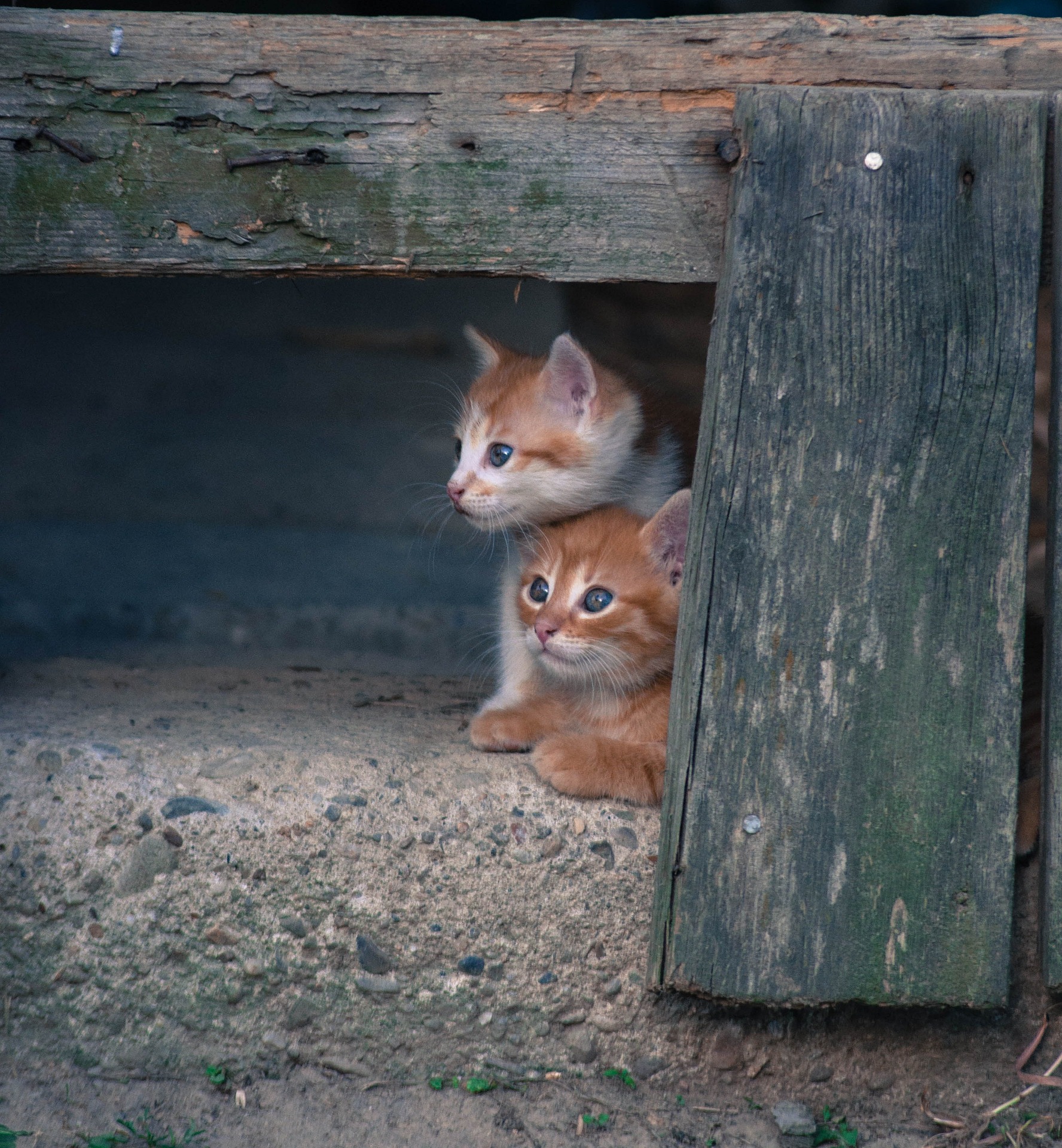
Essential Considerations Before Breeding Your Cat
Breeding cats can be an exciting yet challenging venture that requires careful thought, knowledge, and preparation. While the idea of welcoming a litter of adorable kittens may seem rewarding, it is crucial to understand the responsibilities and complexities involved. With millions of cats in the United States alone, experts strongly advocate for spaying or neutering to combat overpopulation. However, if you are determined to breed your cat, here are critical factors to consider and prepare for before proceeding.
1. Time Commitment
Breeding cats demands a significant time investment, often requiring your full attention for several months. Once the kittens are born, you will need to dedicate at least eight weeks to their care. This includes daily cleaning of their living area, monitoring their health, and ensuring proper development. Early weeks are especially crucial, as kittens are vulnerable and require constant supervision to thrive. If you have a busy schedule, it’s essential to evaluate whether you can provide the necessary time and attention.
2. Space Requirements
Adequate space is vital for the well-being of your cat and her kittens. If you live in a small apartment or lack a dedicated area for the litter, breeding may not be practical. Kittens are naturally curious and active; they need room to explore and play safely. Insufficient space can lead to stress for the mother and her kittens, hindering their physical and mental development. Ensure you have a clean, spacious, and secure environment where the kittens can grow and thrive.
3. Family Agreement and Support
Breeding a cat impacts everyone in your household. Before making the decision, discuss it with all family members to ensure they are on board and understand the responsibilities involved. Raising kittens can be messy, noisy, and disruptive. Having the full support and cooperation of your household will make the experience smoother and less stressful for everyone involved.
4. Responsibility and Planning
Breeding cats entails significant responsibility. A critical aspect is finding suitable homes for the kittens. While you may have interested adopters initially, circumstances can change, and not all potential adopters will follow through. It is essential to have a contingency plan for unadopted kittens. Be prepared to provide lifelong care for any kittens that remain in your home, which includes factoring in the time, space, and financial resources required.
5. Education and Preparation
Successful breeding requires a thorough understanding of feline reproduction and the ability to manage potential complications during pregnancy and birth. Key areas to educate yourself on include:
- Signs of Labor: Recognizing when your cat is ready to give birth.
- Delivery Process: Knowing how to assist with cutting umbilical cords or handling early deliveries.
- Emergency Situations: Identifying complications that may require veterinary intervention, such as a cesarean section.
- Postnatal Care: Ensuring the mother and kittens receive appropriate nutrition and medical attention.
Prepare essential supplies, such as clean towels, heating pads, and emergency veterinary contact information. Familiarize yourself with the birthing process to minimize risks and provide the best care.
6. Dietary Needs of Pregnant Cats
A pregnant cat’s nutritional requirements differ significantly from those of a non-pregnant cat. Providing a balanced, high-quality diet is crucial for the health of the mother and the proper development of her kittens. Consult your veterinarian for recommendations on food specifically formulated for pregnant and nursing cats. Proper nutrition during pregnancy and lactation is vital for the kittens’ health and survival.
7. Financial Considerations
Breeding cats can be expensive, with costs often exceeding initial expectations. Beyond increased food expenses for the mother and kittens, veterinary care can quickly add up. Common expenses include:
- Prenatal Care: Regular checkups and dietary supplements.
- Birthing Assistance: Costs associated with potential delivery complications.
- Vaccinations: Protecting the health of the kittens.
- Deworming Treatments: Ensuring the kittens remain parasite-free.
- Spaying/Neutering: For the mother and kittens if you do not plan to breed again.
Prepare a financial plan to cover these costs, including funds for unexpected medical emergencies.
8. Ethical Considerations
Ethical breeding practices prioritize the well-being of the mother and her kittens over profit. Avoid overbreeding, as it can negatively impact the mother’s health. Additionally, consider the broader implications of introducing more kittens into a world where many cats already lack homes. Responsible breeders aim to contribute positively to the feline population by ensuring all kittens are healthy and find loving homes.
9. Potential Risks and Challenges
Breeding cats involves inherent risks and challenges. Complications during pregnancy and birth can pose serious threats to the mother and her kittens. Common issues include:
- Stillbirths: Not all kittens may survive the birthing process.
- Health Problems: Kittens may be born with congenital conditions or develop illnesses.
- Maternal Neglect: In rare cases, the mother may reject or fail to care for her kittens, requiring you to step in and provide round-the-clock care.
Understanding and preparing for these potential risks is essential before deciding to breed your cat.
10. Alternatives to Breeding
Before breeding, consider whether it is the best option for you and your cat. Adopting kittens from shelters or rescue organizations is a compassionate alternative that helps reduce overpopulation. Many shelters have pregnant cats or young kittens in need of loving homes. By choosing adoption, you can make a positive impact and save lives.
https://www.netgrec.com/does-your-cat-suffer-from-allergies/
Final Thoughts
Breeding your cat is a decision that requires careful consideration and significant commitment. It demands time, financial resources, and unwavering dedication to the health and welfare of the mother and her kittens. If you decide to proceed, ensure that you are fully prepared and educated to handle all aspects of the process, including potential challenges and emergencies.
Approaching cat breeding responsibly and ethically allows you to provide a safe and nurturing environment for your feline companions. However, always remember the importance of considering alternatives, such as adoption, to address the ongoing issue of cat overpopulation. Whatever your choice, prioritize the well-being of your cat and strive to make informed and compassionate decisions for their future.
https://www.netgrec.com/the-unique-bond-between-cats-and-their-owners/