
 By admin
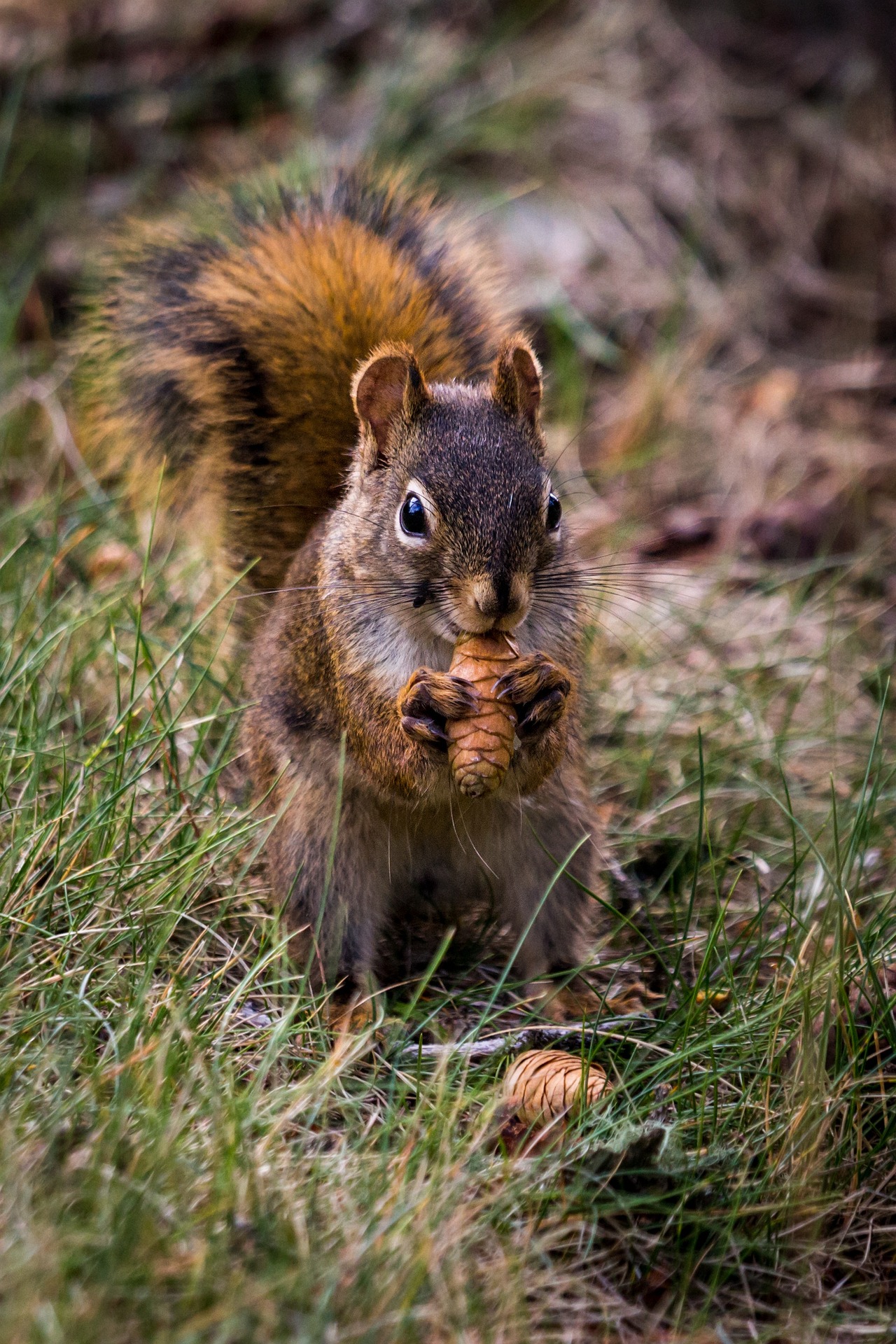
The Enigmatic Life of Squirrels: Nature’s Agile Acrobats
Squirrels, renowned for their agility and resourcefulness, rank among the most captivating creatures in the natural world. Found in a wide array of habitats across the globe, these mammals are celebrated for their dexterity, innovative survival strategies, and vital ecological roles. This article offers an in-depth exploration of the diverse lifestyle of squirrels, focusing on their habitats, diets, social structures, and the remarkable adaptations that underscore their significance within ecosystems.
An Introduction to Squirrels
Belonging to the Sciuridae family, squirrels comprise over 200 species, including tree squirrels, ground squirrels, and flying squirrels. These primarily diurnal creatures are characterized by their sharp claws, bushy tails, and heightened sensory capabilities, enabling them to navigate their environments with unparalleled precision. While certain species thrive in dense forests, others have successfully adapted to urban environments, sharing parks and gardens with human populations.
Habitat and Geographic Distribution
Squirrels inhabit a vast range of environments, from tropical rainforests and temperate woodlands to arid deserts and bustling urban centers. This adaptability is a testament to their evolutionary resilience. For instance, the red squirrel (Sciurus vulgaris) prefers coniferous forests, while the gray squirrel (Sciurus carolinensis) has expanded its range to include urban landscapes, often thriving alongside human activity. Ground squirrels, on the other hand, have mastered survival in harsh conditions by creating extensive burrow systems that provide refuge from predators and extreme temperatures.
A Versatile Diet
Primarily herbivorous, squirrels’ diets are diverse and depend heavily on their species and habitat. Common dietary components include nuts, seeds, fruits, fungi, and bark. Some species, such as ground squirrels, occasionally incorporate insects and small vertebrates into their diet when other resources are scarce. One of the most distinctive behaviors exhibited by squirrels is food caching, where they bury nuts and seeds in various locations for later consumption. This not only ensures their survival during lean seasons but also contributes to forest regeneration, as forgotten caches often sprout into new trees.
Social Structures and Communication
Squirrels exhibit varying social behaviors, which differ significantly among species. Tree squirrels are generally solitary, interacting primarily during the mating season. In contrast, ground squirrels live in large colonies with intricate social hierarchies. Communication among squirrels is multifaceted, encompassing vocalizations, body language, and tail movements. For example, a flicking tail can signal agitation or serve as a warning of nearby predators. These behaviors highlight the sophisticated social dynamics that underpin their interactions.
Adaptations for Survival
Squirrels possess an array of adaptations that enable them to thrive in diverse environments:
- Physical Agility: Their strong hind legs and sharp claws allow them to climb trees and leap between branches with extraordinary precision.
- Heightened Senses: Exceptional vision and a keen sense of smell enable squirrels to locate food and detect potential threats efficiently.
- Cognitive Abilities: Squirrels demonstrate impressive memory and problem-solving skills, particularly in food storage and retrieval.
- Seasonal Adaptations: Many species develop thicker fur during the winter months to endure colder temperatures, while others, such as certain ground squirrels, enter hibernation to conserve energy.
Ecological Importance
Squirrels play a critical role in maintaining ecological balance. Their food caching behavior facilitates forest growth and biodiversity, while their diets help regulate pest populations. Additionally, squirrels serve as prey for numerous predators, including hawks, foxes, and snakes, reinforcing their integral position within the food web. In urban areas, squirrels contribute to human connection with nature, often serving as a source of fascination and joy for city dwellers.
Challenges and Threats
Despite their adaptability, squirrels face several challenges, both natural and human-induced. Habitat destruction, climate change, and competition from invasive species such as the eastern gray squirrel have significantly impacted native populations in certain regions. For instance, red squirrels in the United Kingdom have experienced severe declines due to habitat loss and the spread of squirrel pox virus, which is transmitted by gray squirrels. Urban development further exacerbates these issues by reducing green spaces and limiting suitable habitats.
Conservation Initiatives
Efforts to protect squirrel populations and their habitats are underway worldwide. Reforestation projects, wildlife corridors, and targeted conservation programs aim to mitigate the effects of habitat destruction and invasive species. Public awareness campaigns play a crucial role in educating communities about the importance of coexistence with wildlife. Conservationists are also implementing measures to control invasive populations and protect vulnerable species, ensuring a balanced coexistence.
Intriguing Facts About Squirrels
- Flying Squirrels Glide, Not Fly: These squirrels use a specialized membrane called the patagium to glide between trees rather than flying outright.
- Constantly Growing Teeth: Like all rodents, squirrels’ incisors grow continuously, requiring regular gnawing to maintain an optimal length.
- Deceptive Caching: To deter potential thieves, squirrels often engage in “fake” caching, pretending to bury food in empty spots.
- Longevity in Captivity: While wild squirrels typically live 6 to 12 years, those in captivity can reach up to 20 years due to reduced predation and consistent food availability.
Conclusion
Squirrels are more than just agile and entertaining creatures; they are indispensable members of ecosystems worldwide. Their adaptability, intelligence, and ecological contributions highlight their importance in both natural and urban settings. By appreciating and protecting these remarkable animals, we ensure their continued presence, enriching biodiversity and fostering a deeper connection with the natural world. Whether scampering through a forest canopy or darting across a park, squirrels embody resilience and ingenuity, deserving recognition and admiration for their vital roles in our shared environment.
https://www.netgrec.com/the-benefits-of-fiber-in-your-dogs-diet/