
 By admin

The Risks of Copying Someone Else’s Workout Routine
Introduction
In an era of social media fitness influencers and viral workout trends, it’s tempting to mimic the training programs of others—especially those with seemingly perfect physiques or impressive athletic abilities. While copying someone else’s workout may appear to be a shortcut to similar results, this practice can pose significant physical and psychological risks. Each body is unique, and exercise regimens should reflect personal needs, goals, and physical capabilities. Failing to customize your training routine can lead to injuries, burnout, and disappointing results.
This article explores the dangers of duplicating another person’s training program, explains why personalized fitness plans are essential, and offers practical advice for creating a workout routine tailored to your individual profile.
Understanding Biomechanical Individuality
No Two Bodies Are the Same
Even if two people appear similar in size and build, their biomechanics, flexibility, joint alignment, muscle composition, and previous injury history can vary drastically. These differences influence how the body responds to physical stress during workouts. What feels like a productive exercise for one person might be damaging to another.
Varying Levels of Experience and Conditioning
Fitness levels also play a crucial role. A professional athlete or long-time gym-goer can handle a greater intensity and volume of training than a beginner. Trying to match their routine without proper conditioning can lead to overtraining, fatigue, or musculoskeletal injuries.
The Dangers of Inappropriate Load and Intensity
Risk of Acute and Chronic Injury
One of the most common mistakes in copying workouts is lifting weights that are too heavy or performing exercises without proper technique. This can lead to:
-
Muscle strains
-
Ligament sprains
-
Tendonitis
-
Joint dislocation
-
Stress fractures
Chronic misuse of weights or repeated improper movement patterns may also cause long-term issues such as osteoarthritis, spinal misalignments, or permanent joint damage.
Imbalanced Muscle Development
Following another’s routine may cause you to overwork some muscle groups while neglecting others. This imbalance can result in poor posture, reduced performance, and a higher likelihood of injury.
Neglecting Personal Goals and Limitations
Mismatch Between Training and Objectives
Everyone has different fitness goals—weight loss, muscle gain, endurance, flexibility, or rehabilitation. A workout routine designed for someone aiming to bulk up may not benefit someone looking to improve cardiovascular endurance or recover from injury. In fact, it may even hinder progress.
Pre-Existing Conditions and Medical Concerns
Many people have hidden or dormant health issues such as joint sensitivity, scoliosis, or cardiovascular concerns. Performing high-impact or intensive exercises without medical clearance or adaptation can aggravate these conditions.
Biological and Hormonal Factors Affecting Results
Individual Responses to Training Stimuli
Your body’s reaction to a particular training program is influenced by factors like genetics, sleep quality, stress levels, diet, hormonal balance, and recovery ability. What delivers fast results for one person might produce minimal change—or even fatigue and burnout—for another.
Gender Differences in Recovery and Strength Gains
Men and women often respond differently to the same types of training due to differences in hormonal profiles such as testosterone and estrogen levels. These differences affect muscle hypertrophy, recovery rates, and susceptibility to injury.
The Role of Proper Stretching and Recovery
Stretching Should Be Individualized
Not all stretching techniques are beneficial for everyone. Static stretching, dynamic warm-ups, or mobility drills must be selected based on your specific tightness, injury history, and activity level. Doing stretches that do not align with your body’s needs can reduce performance or even cause harm.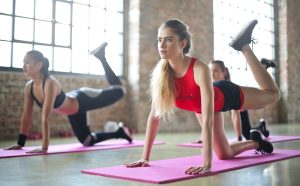
The Importance of Recovery Time
Copying a workout routine that does not account for your recovery capacity can quickly lead to overtraining syndrome. Symptoms include chronic fatigue, mood swings, sleep disturbances, and decreased immunity—issues that seriously hinder fitness progress.
Psychological Risks of Copying Workouts
Comparison and Unrealistic Expectations
Following an influencer’s or friend’s routine may set you up for disappointment. People often showcase only their best moments online. Comparing your progress to someone else’s curated success story can reduce motivation and lower self-esteem.
Loss of Personal Motivation
Copying a routine without understanding why you’re doing each exercise can make training feel meaningless. This detachment can cause boredom and make you more likely to quit. Having a plan tailored to your values and goals fosters long-term engagement.
The Value of Professional Guidance
Why Consulting a Fitness Professional Matters
A certified personal trainer or physiotherapist will assess your current fitness level, discuss your goals, and identify limitations to design a safe and effective workout plan. They can also teach proper form, progressions, and modifications to help you improve steadily and sustainably.
Ongoing Evaluation and Adjustments
Even the best fitness plans need adjustments. A professional can track your performance and recovery to adapt your training over time, ensuring continued results while minimizing the risk of injury.
Creating a Personalized Training Plan
Steps Toward Individualization
-
Set Clear Goals: Know whether you’re aiming for strength, weight loss, flexibility, or endurance.
-
Assess Your Current Condition: Get a fitness assessment, including posture analysis, mobility, and cardiovascular capacity.
-
Consider Lifestyle Factors: Take into account how much time you can realistically dedicate to training, your sleep patterns, and your work schedule.

Monitor Progress: Keep a log to measure performance changes, energy levels, and any discomfort.
-
Adapt as Needed: Be ready to modify exercises or switch up routines based on how your body responds.
Sample Adaptations Based on Needs
| Goal | Example Exercise | Personalized Adjustment |
|---|---|---|
| Weight Loss | HIIT | Begin with low-impact intervals |
| Muscle Building | Deadlifts | Use lighter loads with perfect form |
| Flexibility | Yoga | Focus on areas with tightness (e.g., hamstrings) |
| Post-Injury Rehab | Resistance Bands | Avoid high-impact or weight-bearing exercises |
Conclusion
Copying someone else’s workout may seem like an easy fix for achieving fitness goals, but this shortcut can lead to serious setbacks. Every individual has a unique physical structure, fitness background, and set of goals that require a customized approach to training. The risks of injury, poor performance, and mental burnout are far too great to ignore. A personalized training plan—developed with professional guidance—is the most effective way to make sustainable progress while protecting your health and well-being.
Avoid the trap of imitation. Listen to your body, define your personal goals, and seek expert support when needed. This intentional approach will not only improve your physical outcomes but also ensure a healthier, more rewarding fitness journey.
Celebrating the Greatest Women in Sports