
 By admin
Introduction
In today’s fast-paced world, heart disease remains one of the leading causes of death globally. One of the key culprits behind cardiovascular issues is high cholesterol—particularly LDL (low-density lipoprotein), often labeled as “bad cholesterol.” While cholesterol is essential for building cell membranes, producing hormones, and aiding in digestion through bile production, excess levels—especially from unhealthy dietary choices—can lead to severe health consequences like hypertension, atherosclerosis, and even stroke.
This comprehensive guide explores modern, science-backed strategies for selecting cholesterol-free and heart-friendly foods. We’ll break down how dietary choices impact cholesterol, provide practical meal planning advice, and offer insights on the healthiest fats, drinks, and habits to maintain a healthy cardiovascular system.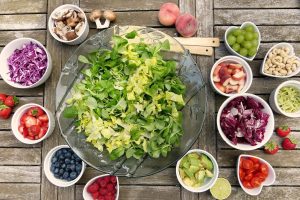
Understanding Cholesterol and Its Role in the Body
What Is Cholesterol?
Cholesterol is a waxy, fat-like substance found in all cells of the body. It plays a crucial role in forming vitamin D, hormones (like estrogen and testosterone), and bile acids. Your body produces all the cholesterol it needs through the liver, but it also absorbs cholesterol from the foods you eat.
LDL vs. HDL Cholesterol
-
LDL (Low-Density Lipoprotein): Known as the “bad cholesterol,” LDL carries cholesterol to the arteries. If too much is deposited, it forms plaque, narrowing arteries and increasing the risk of heart attacks and strokes.
-
HDL (High-Density Lipoprotein): Often called the “good cholesterol,” HDL helps remove excess cholesterol from the bloodstream and transport it back to the liver for disposal.
Maintaining a balance between LDL and HDL is critical for cardiovascular health.
Why Go Cholesterol-Free?
The Dangers of High LDL
High LDL cholesterol levels contribute to the buildup of plaques in arterial walls, a condition known as atherosclerosis. This condition restricts blood flow and can eventually lead to:
-
Heart attacks
-
Strokes
-
Hypertension
-
Peripheral artery disease (PAD)
Benefits of a Cholesterol-Free Diet
-
Improved heart health
-
Better blood circulation
-
Reduced risk of chronic diseases
-
Improved digestion
-
Weight management support
How to Plan a Cholesterol-Free Diet
1. Embrace a Plant-Based Meal Plan
Fruits, vegetables, legumes, nuts, and whole grains are naturally free of cholesterol. Here’s how to make the most of them:
Load Up on Vegetables
-
Include leafy greens like spinach, kale, and lettuce
-
Add color with carrots, beets, bell peppers, and tomatoes
-
Opt for organic vegetables to reduce chemical exposure
Fiber-Filled Fruits
-
Apples, berries, oranges, and bananas are rich in soluble fiber, which helps lower LDL
-
Avocados provide healthy fats that support HDL levels
Whole Grains Over Refined Products
-
Choose quinoa, brown rice, oats, and whole wheat bread
-
Avoid white bread and pastries made with bleached, refined flour
2. Eliminate or Reduce Animal-Based Foods
Many animal-based products contain saturated fats and cholesterol. While some may be included in moderation, others should be minimized or eliminated altogether:
Limit Egg Yolks
-
Egg whites are a protein-rich, cholesterol-free alternative
-
Avoid consuming whole eggs regularly if you’re at risk for high LDL
Choose Plant-Based Protein
-
Replace red meat with beans, lentils, tofu, or tempeh
-
Try meat substitutes made from soy or pea protein
3. Use Heart-Healthy Oils
Not all fats are bad—some are vital for optimal body function. But choosing the right oil is crucial.
Best Oils for Cholesterol Control
-
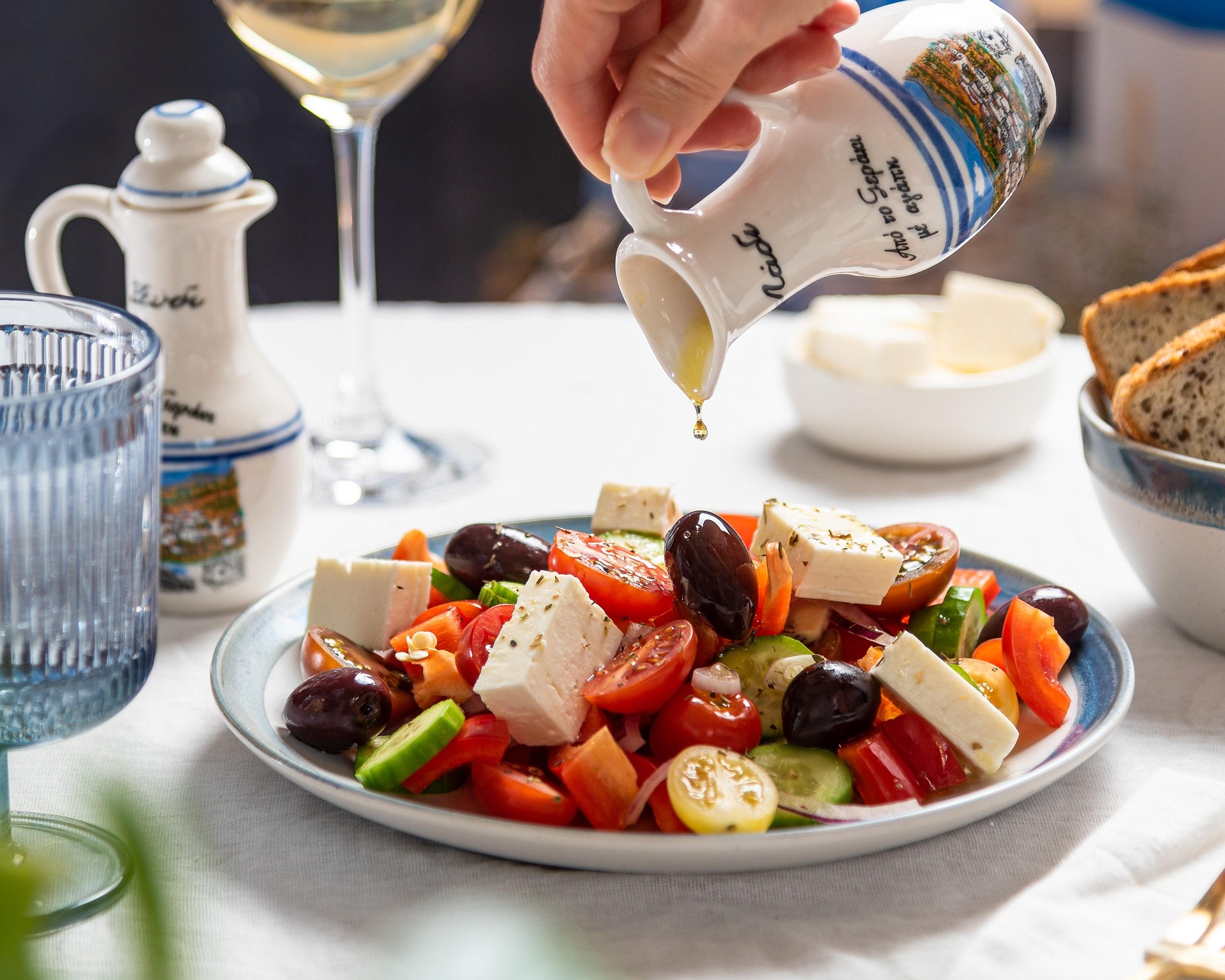
Extra virgin olive oil: Contains monounsaturated fats that help lower LDL
-
Avocado oil: High smoke point, heart-friendly
-
Canola oil: A budget-friendly, low-saturated-fat option
Avoid These Oils
-
Partially hydrogenated oils
-
Palm oil (non-sustainably sourced)
-
Shortening and lard
Smart Beverage Choices for Cholesterol Management
Drink More Water
Water supports digestion and nutrient absorption. Aim for 8-10 glasses a day to stay hydrated and promote metabolic balance.
Opt for Fresh Juices Over Soft Drinks
-
Freshly squeezed juices from oranges, berries, or pomegranates are loaded with antioxidants and fiber
-
Avoid sodas and sweetened beverages with high-fructose corn syrup, artificial sweeteners, or chemical dyes
Caffeine and Cholesterol
While moderate coffee consumption may not affect cholesterol levels, avoid:
-
Energy drinks with added sugars
-
Sweetened coffee beverages with whipped cream or flavored syrups
Other Lifestyle Tips to Keep Cholesterol in Check
1. Exercise Regularly
Physical activity boosts HDL and helps manage weight.
-
Aim for 150 minutes of moderate exercise per week
-
Mix cardio (walking, cycling) with strength training
2. Manage Stress Levels
Chronic stress may impact cholesterol levels indirectly by affecting lifestyle choices (e.g., poor eating, lack of sleep).
-
Practice meditation, yoga, or journaling
-
Consider therapy or counseling if needed
3. Schedule Regular Health Check-Ups
Regular blood tests help monitor cholesterol levels and detect early warning signs.
-
Get tested at least once a year if you’re over 40 or have a family history of heart disease
-
Discuss cholesterol-lowering medications with your doctor if lifestyle changes aren’t enough
Foods to Avoid Completely
Some processed and fast foods are cholesterol traps. Avoid these to stay on track:
-
Fried foods (fried chicken, fries)
-
Processed meats (sausages, bacon, salami)
-
Bakery items (commercial cookies, cakes, doughnuts)
-
Full-fat dairy (whole milk, cream, butter)
Conclusion
Managing your cholesterol levels doesn’t require extreme dieting—it requires making smarter, heart-conscious choices. By incorporating more plant-based, whole foods into your meals, choosing the right oils, avoiding processed ingredients, and committing to a healthy lifestyle, you can drastically reduce your risk of heart disease and improve your overall well-being.
Start with small changes. Swap out butter for olive oil. Choose fresh fruit over sugary snacks. Prioritize hydration and regular physical activity. These daily decisions may seem minor, but collectively, they can protect your heart and prolong your life.