
 By admin
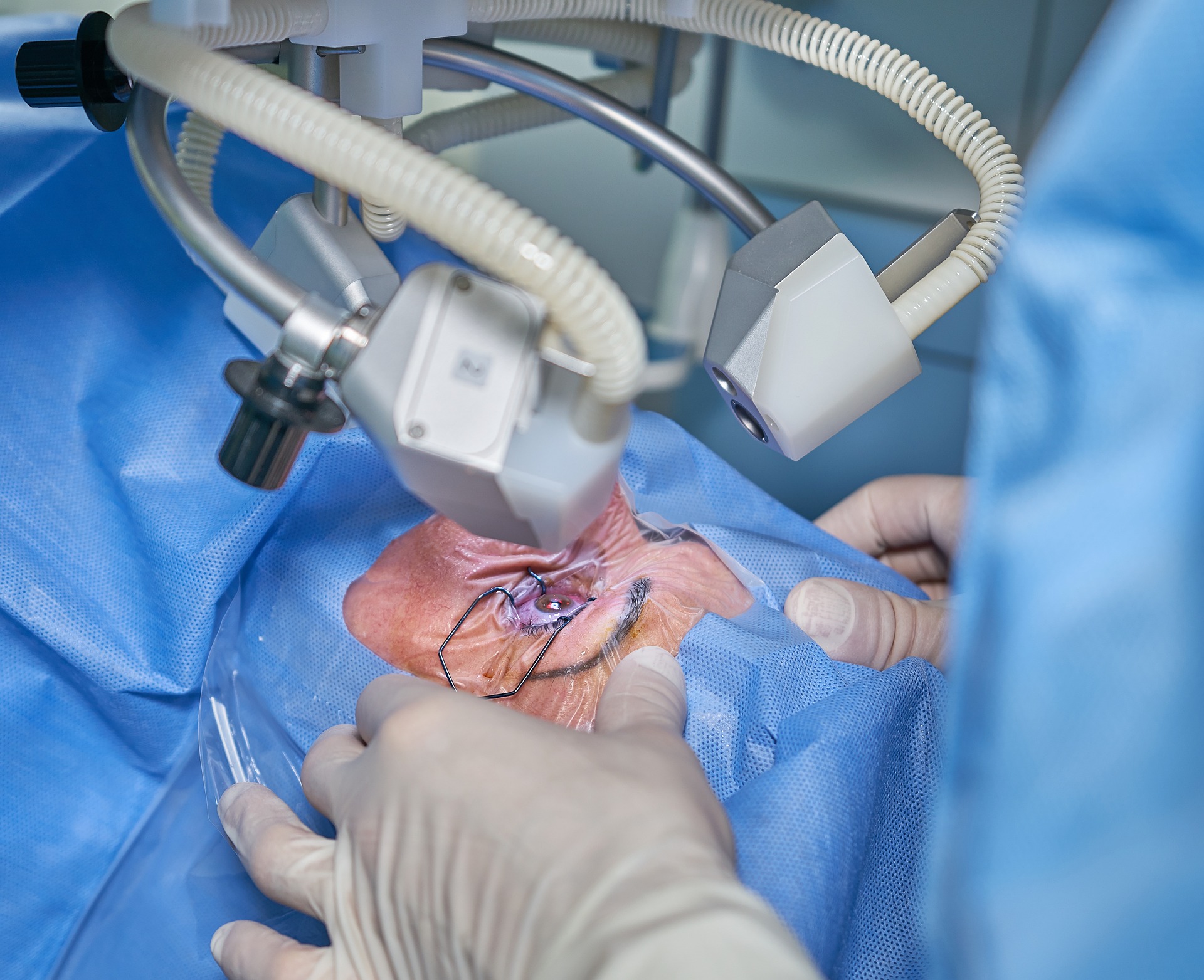
LASIK vision correction is one of the most remarkable advancements in modern medical technology. In a procedure that typically lasts around fifteen minutes, many individuals can significantly reduce or even eliminate their reliance on glasses or contact lenses. The preoperative preparation required from the patient is minimal, and the surgery itself is straightforward and quick.
With current technology and experienced LASIK surgeons, the success rate for LASIK surgeries is exceptionally high. Although not all patients achieve or maintain perfect 20/20 vision, most experience a dramatic improvement in their visual acuity and a reduced dependence on corrective eyewear. Two critical factors that influence the outcome are the patient’s choice of surgeon and adherence to proper post-operative care protocols.
Choosing the Right LASIK Physician
The journey to successful LASIK surgery begins with selecting a qualified and attentive physician. After consulting with several LASIK surgeons or clinics, prospective patients should have a clear understanding of how they will be treated during and after the procedure. It is essential to choose a LASIK physician whose staff is responsive, approachable, and willing to address any concerns that may arise post-operatively.
One of the most frequent complaints from LASIK patients is a lack of adequate information about potential side effects or dismissive responses from staff when complications arise. For example, patients should not hear generalized assurances such as, “This is normal, no problem,” when their symptoms may warrant a professional evaluation. To avoid such issues, prospective patients should schedule an initial consultation to meet the physician and at least one or two staff members to assess their responsiveness and professionalism.
Understanding Common Side Effects and Warning Signs
During the consultation, patients should request detailed information about common side effects and situations that require immediate medical attention. While LASIK is generally safe, complications such as pain, intense itching, or severe blurring of vision could indicate an infection or other serious problem. Prompt evaluation by a medical professional is essential in these rare cases. Ensuring that the LASIK center has protocols in place to accommodate post-operative concerns can provide peace of mind.
Managing Dry Eye After LASIK
One of the most commonly reported side effects after LASIK is dry eye, which is particularly noticeable during nighttime. While dry eye is often temporary, it can be uncomfortable and may disrupt the healing process if not managed properly. In some cases, the eyelid may stick slightly to the eye, potentially dislodging the surgical flap created during the procedure. This can delay healing and lead to further complications.
To address this issue, LASIK centers typically provide a range of lubricating eye drops with varying viscosities to suit individual needs. Patients experiencing symptoms of dry eye should notify their LASIK provider promptly so that the appropriate remedies can be implemented. Timely intervention ensures a smoother recovery process and minimizes discomfort.
Post-Operative Care: Key to Long-Term Success
Good post-operative care is as vital to the success of LASIK surgery as the procedure itself. Patients should adhere strictly to the guidelines provided by their surgeon, including using prescribed medications, avoiding strenuous activities, and attending all follow-up appointments. These measures help to monitor healing progress and address any concerns that arise.
Final Considerations
The most critical factor in achieving a positive LASIK outcome is selecting a skilled surgeon supported by a responsive and knowledgeable staff. Prospective patients should thoroughly evaluate the physician and their team, asking detailed questions about both the surgical process and the post-operative care plan. A well-informed and proactive approach ensures that patients receive the highest standard of care, leading to optimal visual outcomes and long-term satisfaction.
In conclusion, LASIK surgery offers a transformative opportunity for improved vision and reduced reliance on corrective eyewear. By prioritizing informed decision-making and diligent aftercare, patients can enjoy the full benefits of this groundbreaking procedure.