
 By admin
The Ultimate Guide to Homemade Barbecue Sauce: Recipes, Tips, and Healthier Options for the Modern Griller
Introduction: The Timeless Appeal of Barbecue
Few culinary experiences capture the essence of summer quite like the smoky, savory magic of barbecue. Whether it’s the sizzle of meat hitting the grill or the aroma of sweet and spicy sauce caramelizing over tender ribs, barbecue is more than just a cooking method — it’s a tradition. Central to this ritual is the beloved barbecue sauce: a flavorful companion that can transform grilled meats from good to unforgettable.
While some swear by store-bought sauces, others hold dear the recipes passed down through generations — family secrets made of spice blends, tomato bases, and just the right touch of sweetness. But with so many choices and evolving health trends, the quest for the perfect barbecue sauce recipe has become more dynamic than ever.
In this guide, we’ll dive deep into the world of barbecue sauce, exploring classic styles, healthier homemade alternatives, regional flavor variations, and expert tips for creating your own signature blend.
The Origins and Evolution of Barbecue Sauce
A Brief History of BBQ Sauce
Barbecue sauce has a long and smoky history. Its roots stretch back centuries, with origins believed to lie in early Caribbean cooking methods. As barbecue made its way across the American South, it absorbed influences from various cultures, eventually giving rise to the rich diversity of sauces we enjoy today.
Regional Styles of BBQ Sauce
Barbecue in the U.S. is not one-size-fits-all. Each region boasts its own distinct sauce profile:
-
Kansas City Style: Thick, sweet, and tangy — made with molasses, ketchup, and vinegar.
-
Carolina Style:
-
Eastern North Carolina: Vinegar-based, no tomato.
-
Western North Carolina: Vinegar and tomato blend.
-
South Carolina: Mustard-based (often referred to as “Carolina Gold”).
-
-
Texas Style: Bold and spicy, often with a tomato and chili base.
-
Alabama White Sauce: A unique mayonnaise and vinegar blend, traditionally used on chicken.
Understanding these regional varieties is key to appreciating the versatility of barbecue sauce and identifying the flavor profiles you enjoy most.
Store-Bought vs. Homemade: The Great Debate
Convenience vs. Customization
While bottled barbecue sauces offer convenience, many contain preservatives, high-fructose corn syrup, and excess sodium. On the other hand, homemade sauces allow for complete customization — whether you’re aiming for low sugar, no fat, or extra spice.
Taste Test: Bottled vs. Fresh
Homemade sauces often have a fresher, more robust flavor compared to store-bought options. You can adjust sweetness, heat, acidity, and texture to your personal preference — something you can’t do with prepackaged products.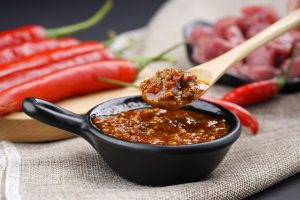
How to Make Your Own Barbecue Sauce from Scratch
Essential Ingredients
Most barbecue sauce recipes start with a few basic components:
-
Base: Tomato paste, ketchup, or mustard
-
Sweetener: Brown sugar, honey, molasses, or maple syrup
-
Acid: Vinegar (apple cider vinegar is popular)
-
Spices: Garlic powder, onion powder, smoked paprika, black pepper
-
Heat: Chili powder, cayenne, hot sauce, or chipotle
Step-by-Step Homemade BBQ Sauce Recipe (Classic Style)
Ingredients:
-
1 cup ketchup
-
1/2 cup apple cider vinegar
-
1/3 cup brown sugar
-
1/4 cup molasses
-
1 tablespoon Worcestershire sauce
-
1 teaspoon smoked paprika
-
1/2 teaspoon garlic powder
-
1/2 teaspoon onion powder
-
1/4 teaspoon cayenne pepper (optional)
Instructions:
-
Combine all ingredients in a saucepan over medium heat.
-
Stir continuously until the mixture begins to simmer.
-
Reduce heat to low and let it simmer for 15–20 minutes, stirring occasionally.
-
Taste and adjust sweetness, spice, or acidity as desired.
-
Cool and store in an airtight jar in the fridge for up to two weeks.
Making It Healthier: Low-Fat and Sugar-Free Options
What to Watch For
Many traditional barbecue sauces are high in sugar and unhealthy fats, especially those that rely on oil-based emulsions. If you’re health-conscious or have dietary restrictions, look for or create sauces with:
-
No added sugar (use stevia or monk fruit sweetener)
-
No high-fructose corn syrup
-
Olive oil or no added fat
-
Fresh herbs and spices instead of artificial flavorings
Heart-Healthy BBQ Sauce Recipe
Ingredients:
-
1 cup tomato puree
-
2 tablespoons apple cider vinegar
-
1 tablespoon Dijon mustard
-
1 tablespoon honey (or natural sugar-free alternative)
-
1/2 teaspoon garlic powder
-
1/2 teaspoon smoked paprika
-
Pinch of black pepper
Instructions:
-
Mix all ingredients in a saucepan.
-
Simmer over low heat for 10–15 minutes.
-
Store in a glass container for up to a week.
This version is light, flavorful, and perfect for those watching their sugar or fat intake.
Customizing Your Sauce: Flavor Boosters and Techniques
Spice It Up
Try these popular additions to give your sauce a unique twist:
-
Liquid smoke for a deep, smoky flavor
-
Chopped chipotle peppers in adobo for a spicy kick
-
Pineapple or mango puree for a fruity glaze
-
Soy sauce or fish sauce for umami depth
Experiment with Consistency
Prefer a thicker sauce? Simmer longer to reduce water content. Want it runnier for marinating? Add a splash of broth or vinegar.
BBQ Sauce and Meat Pairing Tips
Different meats benefit from different types of barbecue sauce:
-
Ribs: Sweet and tangy Kansas City-style works great
-
Pulled Pork: Vinegar-based Carolina sauces cut through the richness
-
Chicken: Alabama white sauce or honey-based glazes are ideal
-
Beef Brisket: Bold, smoky, spicy Texas-style sauces complement the meatiness
Pro Tips for Grilling with Barbecue Sauce
-
Timing is key: Apply sauce during the last 10–15 minutes of grilling to avoid burning.
-
Use a basting brush: Silicone brushes are heat-resistant and easy to clean.
-
Marinate smartly: Acidic sauces can break down meat fibers, so don’t marinate too long.
The Cultural Side of BBQ Sauce
A Family Tradition
For many families, barbecue sauce recipes are more than just condiments — they are heirlooms. Passed down through generations, these recipes often come with stories, memories, and secret ingredients.
Modern Twists on a Classic
Today’s cooks are experimenting more than ever — blending traditional recipes with global flavors like Korean gochujang, Indian spices, or Middle Eastern harissa. The result? A new frontier in the world of grilling.
Conclusion: Crafting Your Signature Sauce
Barbecue sauce isn’t just about flavor — it’s a reflection of personal taste, culture, and creativity. Whether you’re perfecting a family recipe, crafting a healthy alternative, or starting from scratch, there’s joy in the process of discovering what works best for you.
With the right ingredients, techniques, and a willingness to experiment, you can create a barbecue sauce that elevates every meal — and perhaps even becomes a cherished part of your own culinary legacy.
Younger Whiskies You Need to Try