
 By admin
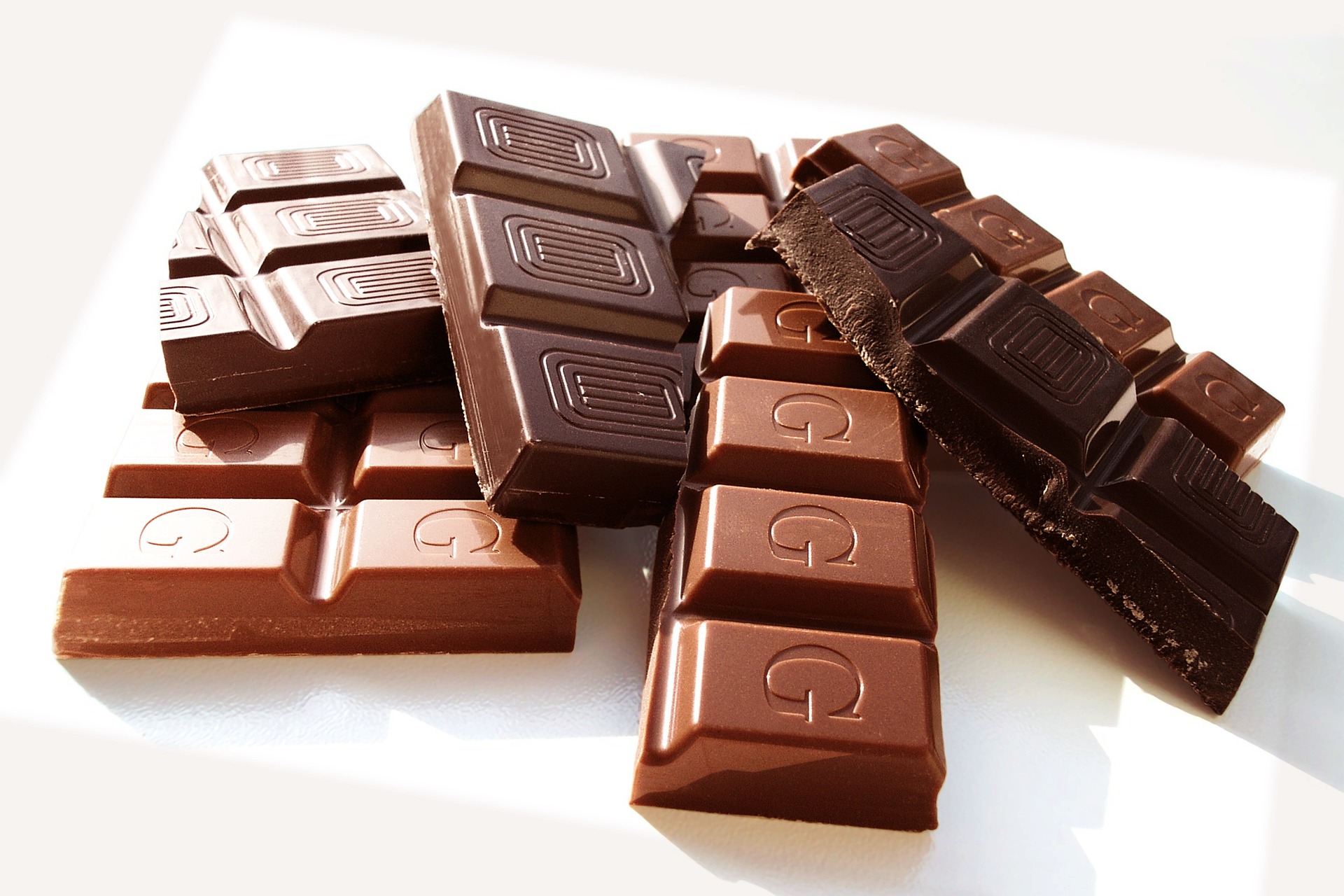
The Health Benefits of Chocolate: Why You Can Enjoy It Guilt-Free
Introduction
Chocolate, often regarded as an indulgent treat, is more than just a sweet delight. For centuries, it has been cherished for its rich flavor and comforting qualities. But beyond its ability to satisfy a sweet tooth, modern science confirms that chocolate — especially dark chocolate — is packed with surprising health benefits. From boosting your mood to supporting heart and brain health, chocolate has earned a place in the realm of functional foods.
This article explores the latest research-backed advantages of moderate chocolate consumption. Discover how this beloved treat can play a role in improving your physical and mental well-being, and why adding high-quality dark chocolate to your diet might be one of the most delicious health decisions you’ll ever make.
The Nutritional Power of Chocolate
Dark Chocolate: A Nutrient-Dense Delight
While all chocolate originates from cacao beans, dark chocolate is the least processed form and retains the highest concentration of beneficial compounds. It contains:
-
Flavonoids (a group of antioxidants)
-
Iron, magnesium, copper, and zinc
-
Theobromine, a natural stimulant similar to caffeine
-
Healthy fats from cocoa butter
Cocoa vs. Milk Chocolate
The health benefits discussed here largely apply to dark chocolate with a high cocoa content (70% and above). In contrast, milk chocolate contains more sugar and dairy, which dilute its nutritional value.
Boosting Mood and Reducing Stress
Serotonin and the “Feel-Good” Factor
Chocolate is known to lift spirits — and it’s not just psychological. It contains tryptophan, an amino acid that helps the brain produce serotonin, the neurotransmitter often called the “happiness hormone.”
Eating chocolate can lead to a mild increase in serotonin levels, which may help relieve:
-
Mild depression
-
Anxiety
-
Irritability
-
Emotional stress
The Role of Phenylethylamine (PEA)
Chocolate also contains phenylethylamine, a compound associated with the feeling of being in love. PEA stimulates the brain to release endorphins, further enhancing mood and focus.
Supporting Cardiovascular Health
Flavonoids and Heart Protection
Numerous studies have linked dark chocolate consumption with a lower risk of heart disease. This is due to its high flavonoid content, which supports cardiovascular health by:
-
Improving blood vessel elasticity

-
Reducing blood pressure
-
Decreasing LDL (bad) cholesterol
-
Increasing HDL (good) cholesterol
Scientific Backing
A meta-analysis published in the European Journal of Preventive Cardiology found that people who ate chocolate more than once per week had an 8% lower risk of coronary artery disease than those who did not. The flavanols in cocoa promote nitric oxide production, which helps keep arteries relaxed and improves blood circulation.
Powerful Antioxidant Protection
Fighting Free Radicals
Dark chocolate is one of the most antioxidant-rich foods available. Antioxidants help neutralize free radicals, unstable molecules that contribute to aging and chronic diseases.
ORAC Score and Polyphenols
The ORAC (Oxygen Radical Absorbance Capacity) score — which measures the antioxidant capacity of foods — is particularly high in cocoa. Chocolate is rich in polyphenols and catechins, similar to those found in berries and green tea.
These compounds have been linked to:
-
Reduced inflammation
-
Enhanced cellular repair
-
Protection against oxidative stress
Enhancing Brain Function
Improved Cognitive Performance
The flavanols in dark chocolate may also have a direct effect on cognitive function. They increase blood flow to the brain, which supports memory, attention, and problem-solving abilities.
A study from the Journal of Nutrition showed that participants who consumed cocoa regularly performed better on mental performance tasks than those who didn’t.
Long-Term Brain Health
In older adults, regular consumption of high-flavanol cocoa has been associated with:
-
Reduced risk of dementia
-
Improved verbal fluency
-
Better working memory
Chocolate and Weight Management
Appetite Regulation
It may seem counterintuitive, but small portions of dark chocolate can aid in weight control. Its rich flavor and fat content promote satiety, reducing the likelihood of overeating.
Craving Reduction
Consuming a small piece of dark chocolate can satisfy sweet cravings and prevent binge eating. Its low glycemic index also prevents sugar spikes and crashes, which helps regulate hunger hormones like ghrelin and leptin.
Caution: Moderation Is Key
Despite these benefits, chocolate is still calorie-dense, so portion control is essential. Experts recommend limiting intake to one to two squares (about 20–30 grams) of high-quality dark chocolate per day.
Skin Benefits of Chocolate
UV Protection and Hydration
The antioxidants in chocolate, particularly flavonols, have been shown to improve skin texture, moisture retention, and even provide some protection against UV damage.
A 12-week study in the Journal of Nutrition found that women who consumed a flavonol-rich cocoa drink daily had 25% less skin redness after UV exposure and significantly improved skin hydration.
Anti-Aging Potential
By combating oxidative stress, chocolate can delay the formation of fine lines and wrinkles, keeping the skin looking younger and healthier over time.
Promoting Digestive and Gut Health
Prebiotics in Cocoa
Chocolate contains prebiotic fibers, which nourish beneficial gut bacteria such as Lactobacillus and Bifidobacterium.
A balanced gut microbiome contributes to:
-
Better digestion
-
Stronger immunity
-
Improved mood (via the gut-brain axis)
Reducing Inflammation in the Gut
Flavonoids have been shown to reduce inflammation in the digestive tract, which may help in managing conditions like IBS (Irritable Bowel Syndrome).
Conclusion
Chocolate, particularly the dark variety, offers a wide range of health benefits — from improving mood and heart health to supporting brain function, skin vitality, and gut health. While it’s still important to consume it in moderation, science supports the inclusion of high-quality dark chocolate as part of a balanced diet.
Whether you’re savoring a square after dinner or adding cocoa to your smoothie, enjoying chocolate can now be a delicious way to boost your well-being — both physically and mentally.
Delicious Desserts Without Flour
Preparing for the Change with Confidence