
 By admin
Introduction
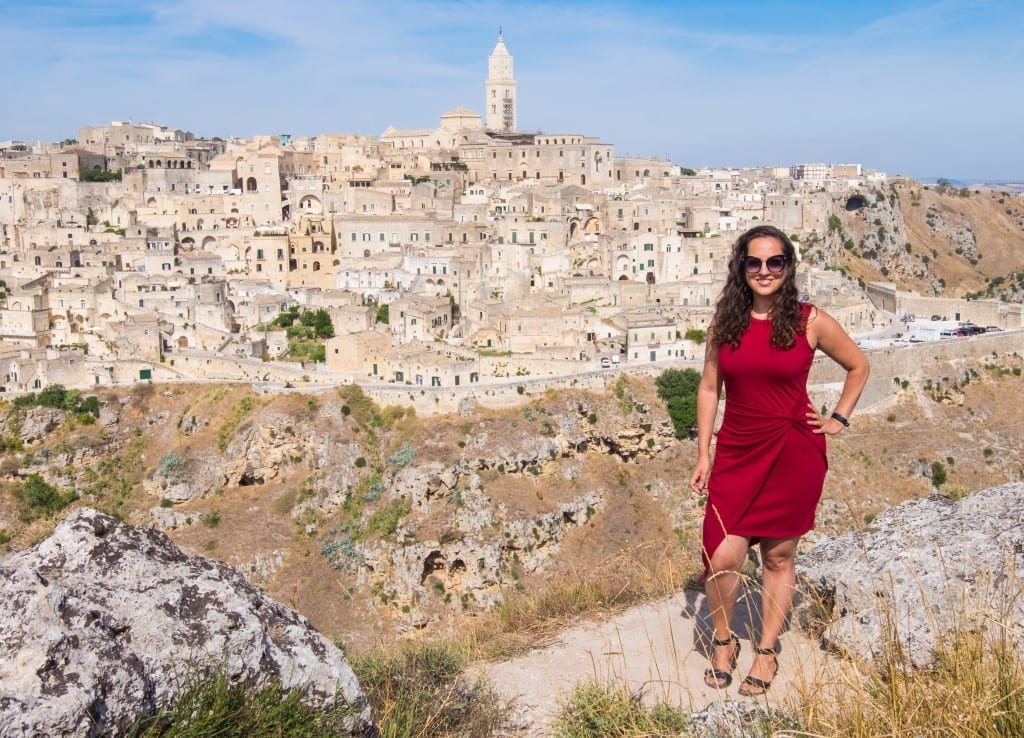
In the heart of southern Italy lies a city carved into stone — a place that seems frozen in time yet vibrates with the echoes of millennia. Matera, often referred to as the oldest city in Italy, is also considered one of the oldest continually inhabited settlements in the world. With roots stretching back more than 9,000 years, this fascinating city stands as a living museum of human resilience, adaptation, and architectural ingenuity.
Nestled in the Basilicata region, Matera captivates travelers with its extraordinary cave dwellings, known as Sassi, etched into the limestone cliffs of the Gravina gorge. But beyond its stunning landscape and mysterious allure, Matera tells a rich and layered story — one shaped by ancient civilizations, religious transformations, abandonment, and, more recently, a remarkable cultural revival. Today, it stands not only as a UNESCO World Heritage Site but also as a vibrant symbol of Italy’s enduring heritage.
This article explores Matera’s historical significance, its unique architecture, its cultural evolution, and its revival as a modern travel destination — shedding light on why this ancient city remains a cornerstone of global heritage.
The Origins of Matera: A Cradle of Civilization
Prehistoric Beginnings
Matera’s earliest traces of habitation date back to the Paleolithic period. Archaeological evidence shows that humans settled in the area as early as 7000 BCE, using the region’s natural caves for shelter. These cave dwellings, some of which are still visible today, represent one of the oldest examples of human settlement in Europe.
The combination of fertile land, abundant water sources from underground springs, and natural protection from invaders made Matera an ideal place for early societies to thrive. Over the centuries, as these settlements evolved, they were continuously occupied by successive civilizations, including the Greeks, Romans, Byzantines, Lombards, and Normans.
A Strategic Crossroads in Southern Italy
Due to its strategic location in southern Italy, Matera served as a crucial link between the eastern and western worlds. It witnessed the rise and fall of empires and adapted to various cultural influences. The city’s architecture, language, and religious practices reflect this layered history, contributing to its identity as a melting pot of Mediterranean civilizations.
The Sassi of Matera: A Unique Architectural Marvel
What Are the Sassi?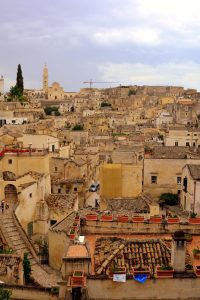
The Sassi of Matera, meaning “stones” in Italian, refer to the ancient cave dwellings carved directly into the limestone rock of the Gravina valley. These stone homes form two districts — Sasso Caveoso and Sasso Barisano — and together create one of the most extraordinary urban landscapes in the world.
Each Sasso comprises a network of homes, churches, monasteries, and communal spaces interconnected by narrow alleyways and staircases that wind through the rocky terrain. The construction follows a vertical model where rooftops often serve as pathways or terraces for homes above.
An Ancient, Yet Functional Ecosystem
The Sassi were not merely places of residence — they formed a self-contained ecosystem. Rainwater was collected and channeled through complex cistern systems, while caves maintained a constant internal temperature, offering natural insulation. Many of the homes featured carved niches for religious icons, stone beds, and shared ovens, reflecting the communal nature of life in Matera.
The layout and sustainability of the Sassi make them an early example of eco-friendly architecture and urban planning, demonstrating how humans adapted to their environment long before the concept of sustainable living became mainstream.
Decline and Abandonment: Matera’s Forgotten Years
The Fall into Obscurity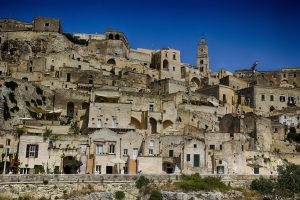
Despite its historic prominence, Matera experienced a sharp decline starting in the 16th century. In 1514, the city was largely abandoned by the aristocracy and ruling elite due to its geographical isolation and lack of connection to major trade and political centers in Italy. As the wealthier classes moved to more prosperous cities, the remaining population was left in extreme poverty.
By the 19th and early 20th centuries, Matera had become a symbol of backwardness and underdevelopment in Italy. The Sassi, once homes to thriving communities, deteriorated into overcrowded and unsanitary living quarters. Families lived in caves without electricity, plumbing, or clean water, often cohabiting with livestock. Matera’s conditions became so dire that it was dubbed “the shame of Italy.”
Government Intervention and Evacuation
In the 1950s, the Italian government, under Prime Minister Alcide De Gasperi, launched a controversial effort to evacuate the Sassi. Thousands of residents were relocated to new housing developments in an attempt to modernize the city and address public health concerns.
Although the initiative aimed to improve living conditions, it also marked a cultural rupture. The ancient dwellings were left abandoned, and the historical core of Matera fell into a state of disrepair, neglected for decades.
Cultural Renaissance: From Ruin to Recognition
Rediscovery and Restoration
The 1980s marked a turning point for Matera. A new generation of architects, historians, and artists recognized the cultural value of the Sassi and began advocating for their preservation. Restoration efforts gradually brought life back to the ancient districts, converting abandoned caves into museums, art galleries, boutique hotels, and restaurants.
In 1993, UNESCO declared the Sassi of Matera a World Heritage Site, acknowledging their “extraordinary example of a rock-cut settlement, perfectly adapted to its terrain and ecosystem.” This recognition helped spur further investment and international interest in the city.
Matera as a Cultural Capital
Matera’s renaissance culminated in its designation as the European Capital of Culture for 2019. The city hosted hundreds of events, exhibitions, and performances celebrating its artistic and historical heritage. This moment not only validated Matera’s cultural significance but also boosted its global visibility.
Today, Matera is a major destination for cultural tourism, attracting travelers from around the world who come to explore its caves, admire its historic churches, and experience its distinctive blend of antiquity and modernity.
Matera in Popular Culture and Cinema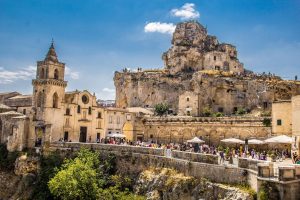
Matera’s dramatic landscape and timeless aesthetic have made it a favorite location for filmmakers. Its stone-carved structures and biblical ambiance have served as the backdrop for numerous international films.
Most notably, Matera was featured in Mel Gibson’s The Passion of the Christ (2004) and in the James Bond film No Time to Die (2021). These appearances have further elevated the city’s profile, bringing cinematic magic to its ancient streets.
Modern Matera: Living Heritage and Sustainable Tourism
Balancing Preservation and Progress
Today, Matera walks a fine line between preserving its ancient heritage and embracing the demands of modern tourism. Efforts continue to maintain the authenticity of the Sassi while providing contemporary amenities for residents and visitors.
Sustainable tourism initiatives encourage responsible travel, supporting local artisans and businesses while protecting the fragile ecosystem of the historical center. Cultural programs and educational tours also promote deeper engagement with the city’s rich heritage.
A Model for Cultural Revitalization
Matera serves as a model for other historic cities facing decline. Its transformation demonstrates how community involvement, thoughtful preservation, and cultural investment can turn even the most neglected spaces into thriving centers of innovation and identity.
Conclusion: Matera’s Enduring Legacy
Matera is more than a city; it is a narrative carved in stone — a living chronicle of humanity’s journey from primitive shelters to modern society. From prehistoric caves to UNESCO accolades, from neglect to renaissance, Matera tells a story of resilience, reinvention, and reverence for history.
As one of the oldest inhabited cities in the world, it continues to inspire historians, architects, artists, and travelers alike. Whether you’re wandering its labyrinthine alleys, staying in a cave hotel, or attending a local festival, Matera offers a timeless experience rooted in authenticity and wonder.
The Most Fascinating Aquariums in the World