
 By admin
Introduction
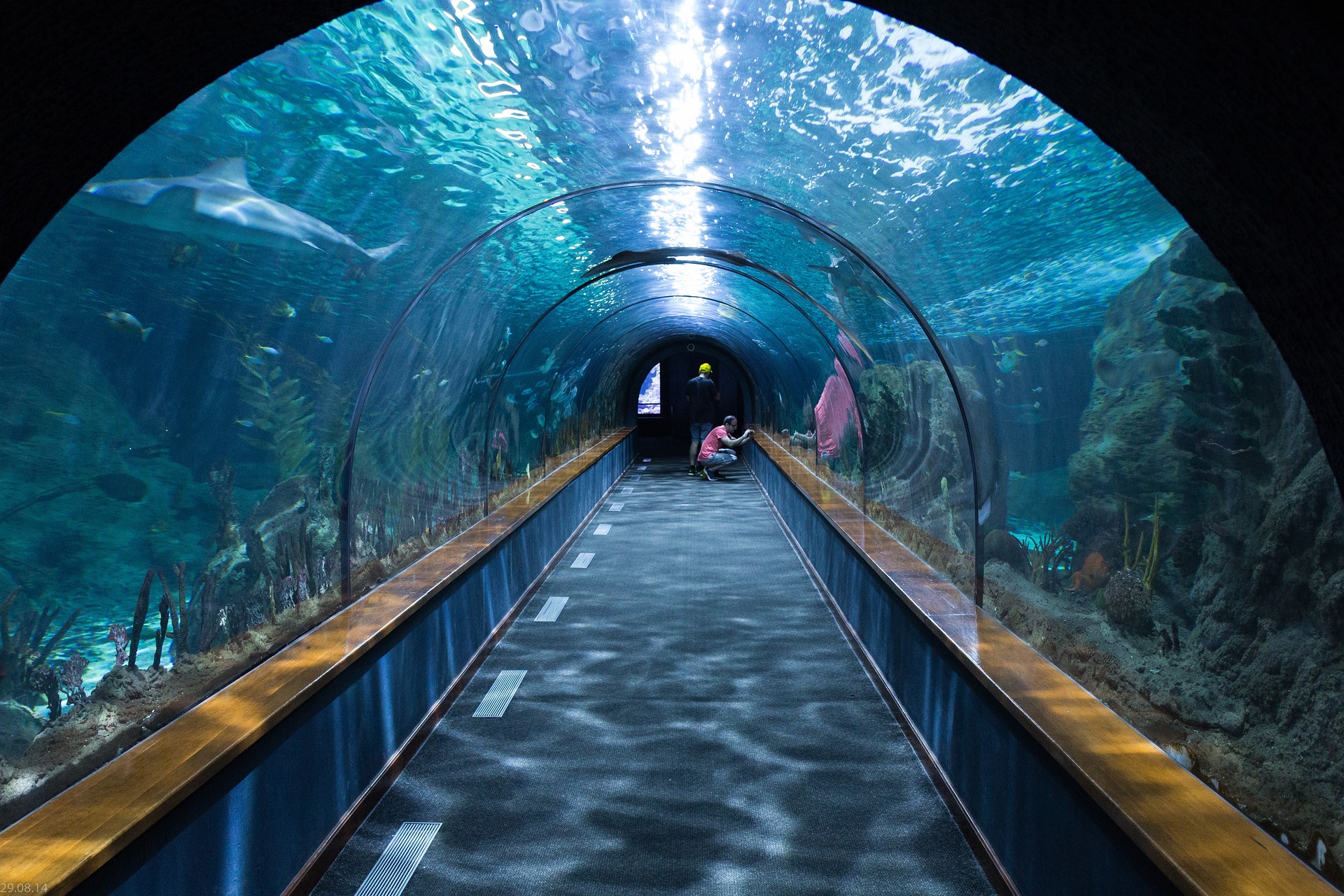
Aquariums are not just homes for marine life—they are windows into the vast and mysterious world of the ocean. With the growing interest in marine biology, sustainable ecosystems, and immersive tourism, modern aquariums have evolved into high-tech, educational, and environmentally conscious attractions. Whether showcasing the delicate beauty of coral reefs or the power of sharks and orcas, the world’s most fascinating aquariums combine scientific research with public engagement to inspire awe and conservation.
This article explores the most impressive and captivating aquariums around the globe, highlighting what makes each one unique. From architectural marvels to deep-sea experiences, prepare to dive into the most remarkable underwater environments built by human hands.
1. Georgia Aquarium (Atlanta, USA)
The Largest Aquarium in the Western Hemisphere
The Georgia Aquarium remains one of the largest and most visited aquariums in the world. Home to over 120,000 animals representing 500 species, this facility offers more than just size—it delivers an immersive aquatic experience.
Key Attractions
-
Ocean Voyager Exhibit: One of the world’s largest indoor aquatic habitats with a 6.3-million-gallon tank.
-
Whale Sharks and Manta Rays: The only aquarium outside of Asia to house whale sharks.
-
Interactive Programs: Opportunities to dive with sharks, meet sea lions, and attend behind-the-scenes tours.
Conservation Mission
Georgia Aquarium contributes to marine conservation through partnerships with wildlife rescue programs, particularly focusing on rehabilitating sea turtles and marine mammals.
2. Okinawa Churaumi Aquarium (Okinawa, Japan)
Gateway to the Deep Sea
The Okinawa Churaumi Aquarium is a jewel in Japan’s Okinawa prefecture. It’s particularly famous for its innovative design and focus on the biodiversity of the Kuroshio Current, one of the world’s most nutrient-rich ocean flows.
Key Attractions
-
Kuroshio Sea Tank: A massive acrylic panel (22.5m wide, 8.2m high) houses whale sharks and giant manta rays.
-
Deep Sea and Coral Exhibits: Real living coral tanks and deep-sea creatures rarely seen elsewhere.
-
Marine Cultural Education: Promotes understanding of Okinawan traditions related to the sea.
3. S.E.A. Aquarium (Sentosa, Singapore)
Asia’s Premier Marine Biodiversity Hub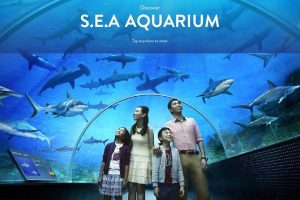
The S.E.A. Aquarium at Resorts World Sentosa features over 100,000 marine animals across 50 diverse habitats, representing the marine life of the Straits of Malacca, the Andaman Sea, and the Persian Gulf.
Key Attractions
-
Open Ocean Habitat: One of the largest viewing panels in the world offers an awe-inspiring panoramic view.
-
The Shark Seas Habitat: Home to over 200 sharks including endangered species like the scalloped hammerhead.
-
Interactive Touch Pools: Perfect for children and families, encouraging tactile learning experiences.
Educational Innovation
The aquarium is integrated into a broader edutainment complex, offering marine biology workshops, night tours, and virtual reality experiences for guests of all ages.
4. Dubai Aquarium and Underwater Zoo (Dubai Mall, UAE)
A High-Tech Wonder in the Desert
Located in one of the world’s largest shopping malls, the Dubai Aquarium is an architectural and engineering marvel. The 10-million-liter tank sits inside the Dubai Mall, visible from multiple levels and even through a walk-through tunnel.
Key Attractions
-
Underwater Tunnel Experience: A 48-meter tunnel provides a 270-degree view of marine life.
-
Cage Snorkeling and Shark Dives: Thrill-seekers can swim with sand tiger sharks.
-
Underwater Zoo: Features penguins, otters, and crocodiles.
Sustainability Efforts
The facility partners with marine biologists and conservationists to reduce plastic use and improve marine animal welfare, a growing focus for the Middle Eastern region.
5. Monterey Bay Aquarium (California, USA)
A Leader in Marine Science and Conservation
Located on the rugged Pacific coast, the Monterey Bay Aquarium sets the gold standard for marine conservation and oceanographic research. Its open-ocean tank and natural seawater circulation system are marvels of sustainability.
Key Attractions
-
Open Sea Exhibit: Featuring bluefin tuna, sea turtles, and sardine bait balls in motion.
-
Kelp Forest Exhibit: One of the first to successfully replicate a Pacific kelp forest.
-
Sea Otter Rehabilitation Program: A model for animal rescue and reintroduction.
Scientific Impact
The aquarium collaborates with institutions like Stanford University to study climate change effects, ocean acidification, and the migration of marine animals through satellite tracking.
6. Oceanogràfic (Valencia, Spain)
Europe’s Largest Aquarium Complex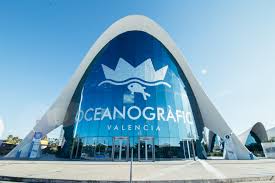
The Oceanogràfic in Valencia combines art, architecture, and marine science. Designed by the famed architect Félix Candela, it’s part of the City of Arts and Sciences.
Key Attractions
-
The Ocean Dome: Home to beluga whales, dolphins, and sea lions.
-
Arctic and Antarctic Zones: Offer a rare glimpse of polar marine ecosystems.
-
Tropical Seas and Mangrove Swamps: Highlight biodiversity from the equator.
Educational Reach
Oceanogràfic is deeply committed to marine education and rehabilitation, hosting regular public talks, workshops, and European conservation projects.
7. Aquarium of Genoa (Italy)
A Mediterranean Gem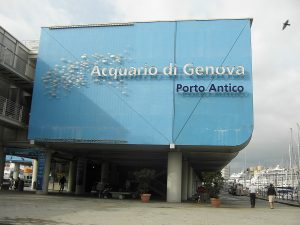
The Acquario di Genova is the largest aquarium in Italy and one of the most important in Europe. It recreates a wide variety of marine and freshwater ecosystems, from the Mediterranean Sea to the Amazon River.
Key Attractions
-
Manatees and Penguins: Rare species not often seen in European aquariums.
-
Interactive Children’s Areas: Designed for young marine enthusiasts.
-
Diverse Habitats: Covers the Red Sea, Caribbean, and Indian Ocean zones.
8. L’Oceanogràfic de Montréal – Biodôme (Canada)
Immersive Ecological Zones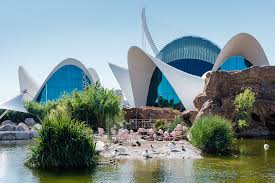
While not a traditional aquarium, the Montréal Biodôme includes extensive aquatic environments within its multi-ecosystem facility. From the Gulf of St. Lawrence marine habitat to tropical rainforests, it brings an ecological angle to marine exhibition.
Unique Features
-
Four Ecosystems in One: Visitors walk through different climate zones, including underwater habitats.
-
Scientific Outreach: Strong links with environmental policy, climate action, and indigenous knowledge of aquatic systems.
9. L’Oceanografic Lisboa (Portugal)
Ocean Literacy for All
The Lisbon Oceanarium is one of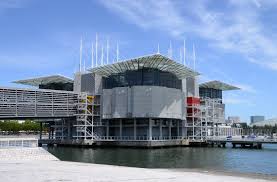 the most family-friendly and environmentally focused aquariums in the world. Its central tank mimics the global ocean and is surrounded by four ecosystems representing the Atlantic, Pacific, Indian, and Antarctic Oceans.
Key Attractions
-
360-Degree Central Tank: Visitors can view marine animals from all angles.
-
Diverse Species: Over 450 species including moonfish, jellyfish, and puffins.
-
Award-Winning Education Programs: Lisbon Oceanarium is known for its curriculum-based learning and virtual classrooms.
10. Nausicaá – National Sea Centre (Boulogne-sur-Mer, France)
France’s Window to the Ocean
Nausicaá is Europe’s largest aquarium and focuses on oceanographic research, marine biodiversity, and sustainable interaction with oceans.
Key Attractions
-
High Seas Exhibit: One of the largest tanks in Europe, housing hundreds of pelagic fish.
-
Virtual Reality Journeys: Simulate ocean exploration and deep-sea dives.
-
Plastic Awareness Programs: Educate visitors on ocean pollution and plastic reduction.
Conclusion
Modern aquariums have transcended their traditional roles to become powerful hubs for education, conservation, and entertainment. Whether located in bustling metropolises or on scenic coasts, the most fascinating aquariums in the world share a common mission: to inspire awe, educate the public, and protect the fragile ecosystems of our oceans. By blending cutting-edge technology, immersive experiences, and global awareness, these aquatic marvels invite us to better understand—and care for—our blue planet.