
 By admin
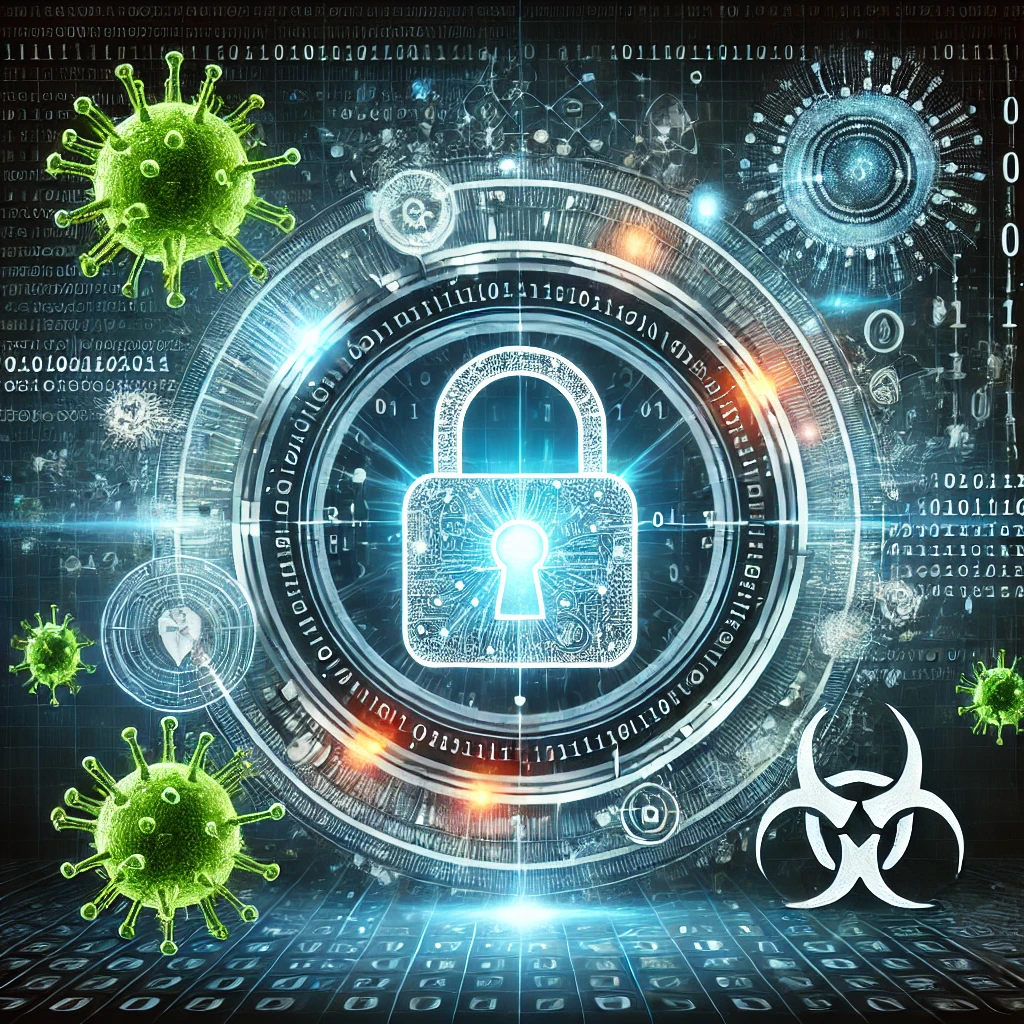
In today’s interconnected world, computers play a critical role in almost every aspect of life. From completing homework to managing business operations and storing sensitive information, they have become indispensable. However, this reliance on computers also underscores the importance of safeguarding the data stored within them. Protecting against data loss, misuse, and abuse is essential to ensure privacy, security, and integrity in the digital space.
The Importance of Computer Security
For businesses, securing information is vital to protect intellectual property, maintain customer trust, and avoid financial losses. Hackers gaining access to sensitive data can have catastrophic consequences. Similarly, home users must take precautions to ensure that their personal information, such as credit card details, remains secure during online transactions. Any action that compromises the integrity of data, software, or hardware constitutes a computer security risk. Many of these risks are deliberate attempts to cause harm, known as computer crimes or cybercrimes. The latter refers specifically to illegal activities conducted over the internet, an issue that is now one of the FBI’s top priorities.
Types of Cybercriminals
Cybercrimes are perpetrated by individuals or groups with varying motives and skill levels. Understanding these categories can help users and organizations develop strategies to combat them:
- Hackers: Initially seen as individuals with advanced technical skills who accessed systems to identify vulnerabilities, the term now carries a negative connotation. Hackers unlawfully access networks, often claiming their actions are meant to highlight security flaws.
- Crackers: Unlike hackers, crackers have malicious intent. They break into networks to steal or destroy data, exhibiting advanced technical skills and a harmful agenda.
- Cyberterrorists: These individuals use computers and networks to carry out politically motivated attacks. Such operations require significant resources, planning, and technical expertise, akin to traditional terrorist activities.
- Cyberextortionists: These criminals use email to threaten organizations, demanding payments to prevent the release of confidential information, exploitation of security vulnerabilities, or network attacks.
- Unethical Employees: Some employees exploit their access to company networks for personal gain, revenge, or other malicious motives. This might include selling confidential data or sabotaging systems.
- Script Kiddies: Typically inexperienced individuals, script kiddies use pre-written hacking tools to compromise systems. They often lack the technical expertise of hackers or crackers.
- Corporate Spies: Hired by companies for corporate espionage, these highly skilled individuals infiltrate competitors’ systems to steal or delete data. This illegal practice gives unethical organizations a competitive advantage.
Room Data Recovery
Protecting Against Security Risks
Both businesses and home users must prioritize safeguarding their computers from security risks. While no system can be completely secure, taking proactive measures can significantly reduce vulnerabilities. Understanding the risks associated with data transmission is crucial. Information sent over public networks, such as the internet, is more vulnerable than data shared within a private business network with robust security measures.
Online security services can help users identify vulnerabilities in their systems. These services scan for email and internet security issues and provide actionable recommendations for mitigation. For example, the Computer Emergency Response Team Coordination Center (CERT/CC) offers resources to help users address vulnerabilities.
Common Security Threats
Several types of attacks can compromise computer security, including:
- Viruses: These malicious programs infect systems, altering their functionality without user consent. Viruses spread by attaching themselves to files or programs, often causing widespread damage.
- Worms: Similar to viruses, worms replicate themselves but do not need to attach to files or programs. Instead, they spread across networks, consuming bandwidth and disrupting operations.
- Trojan Horses: Disguised as legitimate software, these malicious programs activate upon a specific action. Unlike viruses and worms, they do not replicate but can cause significant harm by stealing data or opening backdoors for further attacks.
- Spoofing and Denial-of-Service (DoS) Attacks: These tactics involve impersonating trusted entities or overwhelming systems with traffic to disrupt services.
Signs of Infection
It is important to recognize the signs of a compromised system. Indicators of infection by a virus, worm, or Trojan horse may include:
- Unexpected pop-ups or error messages.
- Reduced system performance or available memory.
- Randomly playing sounds or music.
- Corrupted files or programs that fail to function.
- The appearance of unknown files or applications.
- Fluctuating system properties.
Preventative Measures
Although no solution guarantees complete protection, users can take several precautions to reduce the likelihood of infection:
- Scan Files Before Execution: Always scan downloaded files, especially executable ones, before opening them.
- Avoid Booting with Removable Media: Ensure no external media (e.g., CDs, DVDs, USB drives) is in use when starting a computer, as these can harbor malicious boot sector programs.
- Update Software Regularly: Keep operating systems, applications, and antivirus software up-to-date to guard against emerging threats.
- Be Cautious with Email Attachments: Avoid opening unexpected attachments or links, as these are common vectors for malicious programs.
- Use Strong Passwords: Implement complex, unique passwords for accounts and systems to minimize unauthorized access.
- Enable Firewalls and Encryption: Firewalls block unauthorized access, while encryption secures data transmission.
The Evolving Threat Landscape
The ever-changing nature of cyber threats necessitates continuous vigilance. New viruses, worms, and Trojan horses are developed daily, making it essential to stay informed about emerging threats. Numerous websites track the latest malicious programs, providing users with valuable insights and updates.
Conclusion
Ethics and privacy in computer security are critical for safeguarding personal and professional information. While technological advancements bring convenience and efficiency, they also expose users to significant risks. By understanding the types of cybercriminals, recognizing threats, and implementing best practices, individuals and organizations can create a more secure digital environment. Awareness and proactive measures are the best defenses in an age where cyber threats are increasingly sophisticated and pervasive.
The Evolution of the Macintosh