
 By admin
Steve Jobs: A Legacy of Innovation and Vision
Introduction
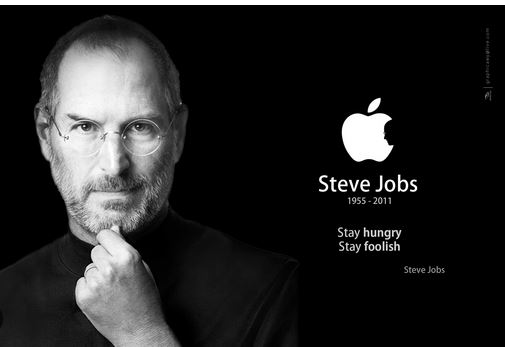
Steve Jobs, born on February 24, 1955, and passing away on October 5, 2011, is celebrated as one of the most influential innovators in the tech world. As the co-founder of Apple Inc., Jobs not only revolutionized personal computing but also significantly impacted the smartphone, music, and animation industries. His journey from a simple beginning to becoming a cultural icon is a testament to his vision and relentless pursuit of perfection. This article delves into his life, his contributions to technology, and the enduring legacy he left behind.
Early Life and Education
Steve Paul Jobs was born in San Francisco, California, to Joanne Schieble and Abdulfattah Jandali, but was adopted by Paul and Clara Jobs. His early fascination with electronics was evident when he attended after-school sessions at Hewlett-Packard. After briefly attending Reed College in Portland, Oregon, Jobs dropped out but continued to audit courses, which included a calligraphy class that would later influence Apple’s Macintosh design.
Founding of Apple Inc.
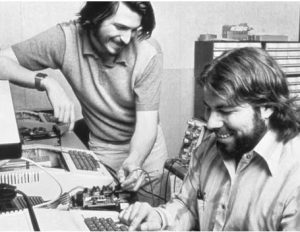
In 1976, with Steve Wozniak and Ronald Wayne, Jobs founded Apple Computer, Inc. in his family’s garage. The Apple I was the first product, but it was the Apple II in 1977 that thrust Apple into the limelight, establishing it as a key player in the burgeoning personal computer market.
The Birth of the Macintosh
The introduction of the Macintosh in 1984 was pivotal. It brought the graphical user interface (GUI) to the masses, making computing more accessible and user-friendly. Despite its groundbreaking interface, the Macintosh struggled commercially initially, which contributed to Jobs’ departure from Apple in 1985.
NeXT and Pixar: The Transitional Years
Post-Apple, Jobs founded NeXT Inc., focusing on high-end computer workstations for academia and business. Although NeXT’s hardware didn’t succeed commercially, its operating system became the basis for macOS. During this time, Jobs also acquired what would become Pixar Animation Studios. Under his stewardship, Pixar released “Toy Story,” the world’s first computer-animated feature film, setting a new standard in animation.
Return to Apple and the Renaissance Era
Jobs returned to Apple in 1997 when Apple acquired NeXT, taking on the role of interim CEO. This marked the start of Apple’s resurgence.
-
The Launch of the iMac
-
The iMac, introduced in 1998, was both a design and marketing triumph, revitalizing Apple’s image and sales.
-
-
Revolutionizing the Music Industry: The iPod and iTunes
-
Launched in 2001, the iPod transformed personal music listening with its sleek design and user interface, complemented by iTunes, which revolutionized how music was sold digitally.
-
-
The Smartphone Revolution: The iPhone
-
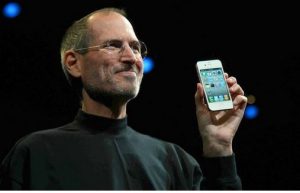
In 2007, the iPhone was unveiled, redefining what a smartphone could be with its touch interface, app ecosystem, and seamless integration of multiple technologies.
-
-
The iPad and Beyond
-
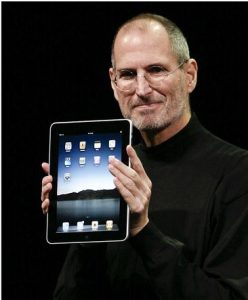
The iPad in 2010 further expanded the realm of personal computing, creating a new category for tablet devices used for both productivity and entertainment.
-
Leadership Style and Vision
Jobs was known for his exacting standards and visionary leadership. His focus was on creating products that were not only functional but also aesthetically pleasing and intuitive. His philosophy was that design should encapsulate functionality, famously stating, “Design is not just what it looks like and feels like. Design is how it works.”
Inspirational Legacy: The 2005 Stanford Commencement Speech
One of Jobs’ most impactful contributions outside of product development was his 2005 Stanford commencement address, where he shared life lessons on connecting experiences, embracing passion, and facing mortality. His advice to “Stay hungry, stay foolish” has inspired countless individuals to pursue innovation and personal growth.
Health Challenges and Final Years
Diagnosed with pancreatic cancer in 2004, Jobs’ health deteriorated over the years, leading to several leaves from Apple. He resigned as CEO in August 2011, with Tim Cook taking over, and Jobs passed away shortly thereafter.
Enduring Impact
Jobs’ influence persists through Apple’s continued dominance and innovation in technology. His vision has shaped product design across industries, emphasizing user experience and simplicity. His story continues to motivate new generations of entrepreneurs and designers to strive for excellence and innovation.
Conclusion
Steve Jobs was not merely an entrepreneur but a visionary whose innovations have left an indelible mark on technology and culture. From the desktop to our pockets, his ideas have transformed how we interact with technology. His legacy is a blueprint for aspiring creators to follow their passion and “think different.”