
 By admin
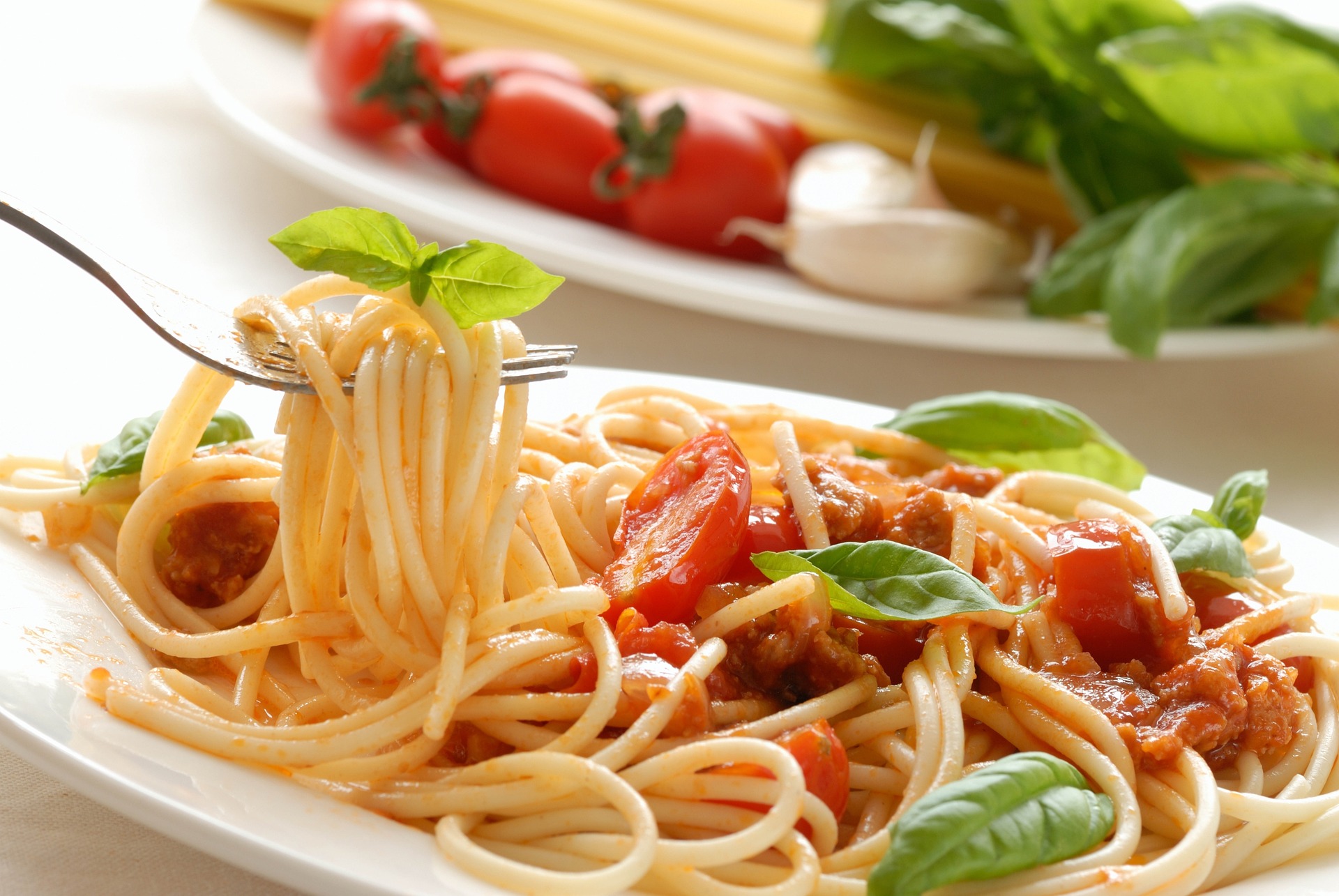
Italian spaghetti is one of the most iconic dishes in global cuisine. Its simplicity, versatility, and rich flavors make it a favorite among food lovers worldwide. To truly savor the magic of this Italian staple, it’s essential to prepare it authentically. This guide will take you through the step-by-step process of creating a classic Italian spaghetti dish, highlighting key ingredients, techniques, and tips to achieve a professional and exceptional result.
Ingredients for Authentic Italian Spaghetti
The Pasta
- 500g of dried spaghetti (choose high-quality, Italian-made pasta for the best texture and flavor)
For the Sauce
- 4 ripe tomatoes (or 1 can of peeled San Marzano tomatoes for authentic Italian flavor)
- 3 tablespoons of extra virgin olive oil
- 4 cloves of garlic, thinly sliced
- 1 medium onion, finely chopped
- 1 teaspoon of sugar (to balance acidity, optional)
- 1/4 cup of fresh basil leaves, roughly torn
- Salt, to taste
- 1/2 teaspoon of black pepper (or to taste)
- 1/4 teaspoon of red chili flakes (optional, for a slight kick)
For Garnish
- Grated Parmesan or Pecorino cheese (optional, for a richer flavor)
- Fresh parsley, finely chopped
Optional Additions
- 100g of ground beef or Italian sausage (for a meat-based sauce)
- 1/2 cup of red wine (for depth in flavor)
Step-by-Step Guide to Preparing Italian Spaghetti
Step 1: Boil the Spaghetti
- Fill a large pot with water and add a generous amount of salt. The water should taste slightly salty, as this is the only time you season the pasta itself.
- Bring the water to a rolling boil and add the spaghetti. Stir immediately to prevent sticking.
- Cook the pasta according to the package instructions, typically 8–10 minutes for al dente texture. Reserve 1 cup of pasta water before draining, as it will be used later to adjust the consistency of the sauce.
Step 2: Prepare the Sauce Base
- Heat the olive oil in a large skillet or saucepan over medium heat.
- Add the sliced garlic and chili flakes (if using) to the hot oil. Sauté until the garlic becomes fragrant and lightly golden, being careful not to burn it.
- Add the chopped onion and cook until translucent, about 5 minutes.
Step 3: Incorporate the Tomatoes
- If using fresh tomatoes, blanch them in boiling water for 30 seconds, peel off the skins, and chop finely. If using canned tomatoes, crush them lightly with your hands or a spoon.
- Add the tomatoes to the skillet and stir well. Let the mixture simmer for about 10 minutes, allowing the flavors to meld and the sauce to thicken.
- If the sauce is too acidic, stir in 1 teaspoon of sugar.
Step 4: Enhance the Flavor
- Add salt and black pepper to the sauce, adjusting to taste.
- For a richer flavor, pour in the red wine and let it simmer for another 5 minutes, reducing the liquid slightly.
- Stir in the torn basil leaves, reserving a few for garnish. Basil should be added towards the end to retain its fresh aroma.
Step 5: Combine the Pasta and Sauce
- Add the drained spaghetti directly to the skillet with the sauce. Toss gently to coat every strand of pasta with the sauce.
- If the sauce appears too thick, add a splash of the reserved pasta water to achieve the desired consistency.
- Let the spaghetti and sauce cook together for 1–2 minutes, allowing the flavors to bind.
Step 6: Serve and Garnish
- Plate the spaghetti in a shallow dish or bowl, ensuring the sauce is evenly distributed.
- Sprinkle freshly grated Parmesan or Pecorino cheese on top for an extra layer of flavor.
- Garnish with fresh parsley and a drizzle of olive oil for a touch of authenticity.
Tips for Perfect Italian Spaghetti
- Choose the Right Pasta: Authentic Italian spaghetti is made from durum wheat semolina, which gives it the perfect texture to hold the sauce.
- Cook Pasta Al Dente: Italian cooking emphasizes the importance of pasta with a slight bite, as it absorbs the sauce better without becoming mushy.
- Use Fresh Ingredients: Whenever possible, use fresh tomatoes, garlic, and herbs to capture the vibrant flavors of Italian cuisine.
- Avoid Overloading the Dish: Classic Italian spaghetti is about balance. Let the flavors of the sauce and pasta shine without overwhelming them with excessive toppings or spices.
- Save Pasta Water: The starchy pasta water is an excellent thickening agent and helps the sauce cling to the pasta.
Variations of Italian Spaghetti
1. Spaghetti Aglio e Olio
A simple and quick variation made with garlic, olive oil, and red chili flakes, perfect for those who prefer a lighter dish.
2. Spaghetti Bolognese
A meat-based sauce made with ground beef, tomatoes, and aromatic herbs, creating a hearty and satisfying meal.
3. Spaghetti alla Carbonara
This Roman specialty combines eggs, pancetta, Pecorino cheese, and black pepper for a creamy yet light dish.
4. Spaghetti alle Vongole
A seafood lover’s dream, this variation features clams, garlic, white wine, and parsley, offering a taste of the Mediterranean.
Nutritional Benefits of Italian Spaghetti
- Carbohydrates for Energy: Spaghetti provides a great source of complex carbohydrates, essential for sustained energy.
- Rich in Antioxidants: Tomatoes and fresh herbs contain antioxidants like lycopene and vitamin C, which support immune health.
- Healthy Fats: Olive oil is a heart-healthy fat that adds richness to the dish without compromising nutrition.
- Protein Boost: Adding meat, seafood, or cheese enhances the protein content, making the dish more filling and balanced.
Conclusion
Preparing authentic Italian spaghetti is not just about cooking; it’s an experience that connects you to Italy’s rich culinary heritage. By following this step-by-step guide, you’ll create a dish that’s both flavorful and nutritious, perfect for family dinners or special occasions. The versatility of spaghetti allows you to experiment with flavors while staying true to its classic roots. So, gather your ingredients, embrace the art of Italian cooking, and enjoy the satisfaction of crafting a timeless dish that brings people together. Buon appetito!