
 By admin
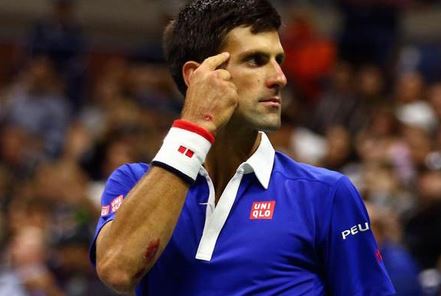
In the dynamic world of tennis, success on the court hinges not only on physical skill but also on a player’s psychological resilience and strategic thinking. Tennis psychology encompasses understanding both your mental state and that of your opponent. It involves gauging the impact of external conditions, game tactics, and psychological maneuvers on performance. By mastering these elements, players can unlock their full potential and maintain an edge over competitors.

Understanding Your Own Mental Processes
Before delving into analyzing opponents, a player must first become acutely aware of their own psychological responses. This introspection allows for the development of effective strategies to harness positive emotions and mitigate negative reactions. Key steps include:
- Identifying Triggers: Determine what circumstances cause distractions, irritation, or anxiety during a match.
- Reaction Analysis: Evaluate whether emotional responses enhance or hinder your game performance.
- Strategy Development: Cultivate methods to foster beneficial reactions and suppress detrimental ones. For example, if frustration negatively affects your game, practice mindfulness or employ breathing techniques to regain composure.
Studying Opponents’ Temperaments
Understanding the psychology of opponents is crucial for predicting their strategies and responses. Observing their reactions to different situations provides valuable insights into their mindset. Players can be broadly categorized into types based on their playing style and temperament:

- The Phlegmatic Baseline Player:
- Often lacks strategic thinking and prefers to remain at the back of the court.
- Typically adheres to a straightforward game without complex tactical maneuvers.
- The Tactical Baseline Player:
- A thoughtful strategist who disrupts opponents with varied shot placement and pace.
- A formidable adversary who plays with purpose and precision.
- The Impulsive Net-Rusher:
- Relies on instinctive, aggressive plays rather than calculated strategies.
- Capable of impressive feats but often lacks consistency.
- The Versatile Strategist:
- Adapts seamlessly between baseline and net play based on game dynamics.
- Maintains a mental edge by constantly challenging opponents with unpredictable strategies.
- The Determined Specialist:
- Sticks rigidly to a single game plan, exhibiting relentless focus and determination.
- Hard to disrupt mentally due to their unwavering commitment to their approach.
The Psychological Value of Momentum
The mental aspect of a tennis match is heavily influenced by momentum swings. A player who gains an early lead often experiences a surge in confidence, while the opponent faces mounting pressure. Recognizing and capitalizing on these shifts is essential:

- Building Confidence: Holding onto a lead reinforces belief in one’s ability to win.
- Turning the Tide: Players trailing in the match must focus on small victories, such as winning individual points or games, to regain psychological footing.
Leveraging “Missed Shots” Strategically
While successful shots are celebrated, missed shots also play a significant psychological role. A narrowly missed shot can sometimes be more impactful than a successful return:
- Creating Uncertainty: A near-miss signals to the opponent that you are capable of making challenging returns, prompting them to reconsider their shot placement.
- Shifting Confidence: A well-executed miss can disrupt an opponent’s confidence, as they begin to doubt their ability to maintain control over the game.
Conversely, a successful but seemingly impossible shot can have dual benefits:
- Point Gain: It not only secures a point but also deprives the opponent of one they expected to win.
- Psychological Advantage: The opponent may become unsettled, fearing similar improbable shots in the future.
Psychological Warfare and Mental Toughness

The battle for psychological dominance often determines the outcome of closely matched games. Effective strategies for mental warfare include:
- Varying Game Style: Keep opponents guessing by mixing up shot placement, spin, and pace.
- Maintaining Composure: Staying calm under pressure signals to opponents that you are unfazed by their tactics.
- Reading Opponents: Identify signs of frustration or diminished confidence in your opponent and adjust your strategy accordingly.
Building Mental Fortitude
To consistently outmaneuver opponents mentally, players must cultivate their psychological strength:
- Focus: Maintain unwavering concentration on each point without becoming distracted by external factors.
- Resilience: Develop the ability to bounce back quickly from setbacks and maintain a positive mindset.
- Self-Belief: Trust in your preparation and skills to overcome challenges.
- Visualization: Mentally rehearse scenarios to build familiarity and confidence in handling various situations.
Harnessing the Power of Purposeful Practice
Psychological preparation must be an integral part of training routines. Incorporate drills that simulate high-pressure scenarios to build mental resilience. Practicing mindfulness techniques can also help players remain composed during tense moments on the court.

Final Thoughts
Mastery of tennis psychology offers players a significant advantage by enhancing strategic thinking and emotional control. Understanding both personal mental processes and those of opponents empowers players to navigate the intricacies of the game with precision and confidence. As players continue to hone their psychological acumen, they position themselves for sustained success on the court.
Mastering Key Tennis Techniques