
 By admin
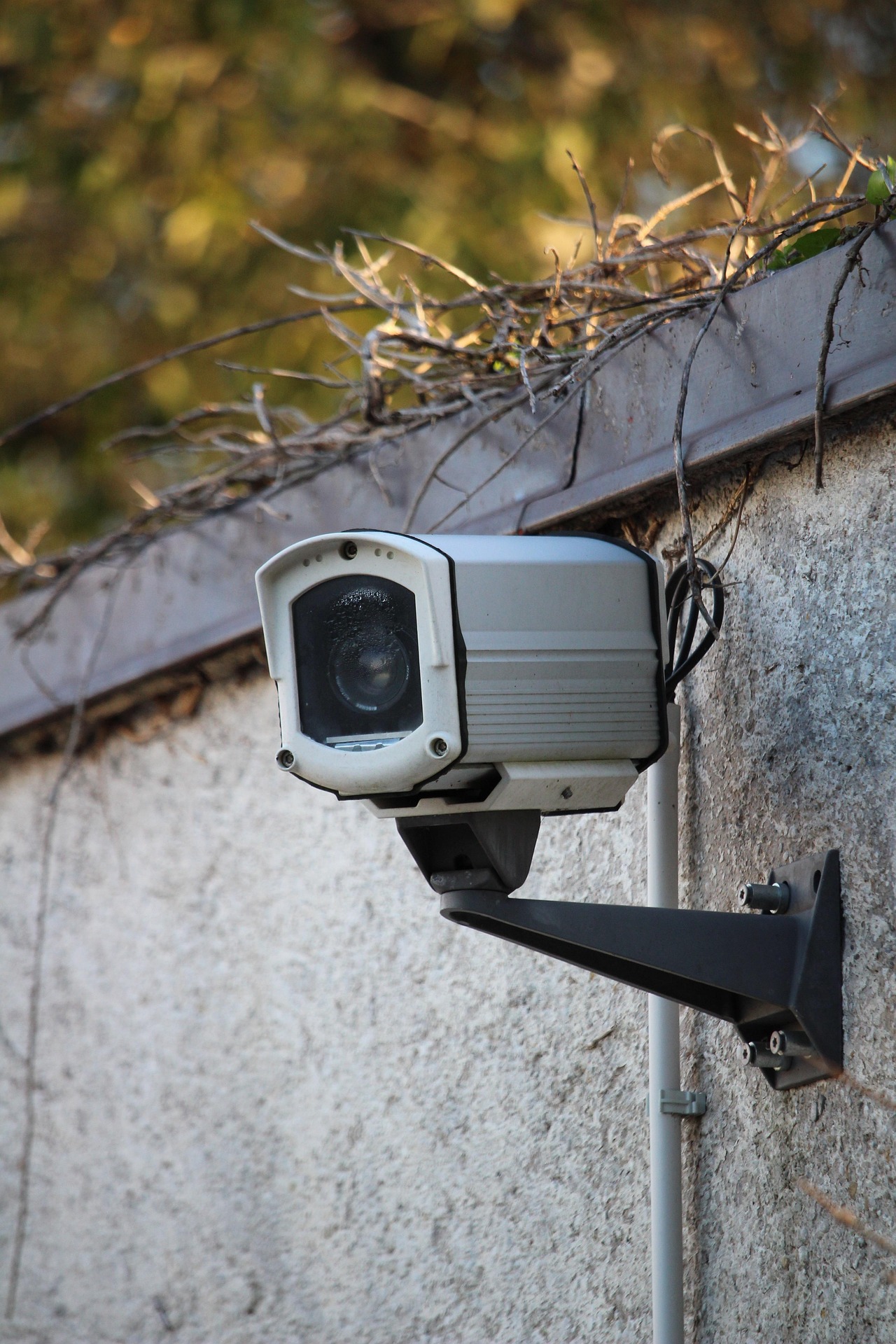
The Ultimate Guide to Security Cameras: Enhancing Safety and Surveillance
Introduction
In today’s world, where security threats are ever-evolving, the role of surveillance systems has become more critical than ever. Security cameras serve as powerful tools for crime prevention, real-time monitoring, and evidence collection. With rapid technological advancements, modern security cameras are now equipped with high-definition video recording, artificial intelligence (AI), motion detection, cloud storage, and remote access capabilities.
This comprehensive guide explores the latest trends in security cameras, different types available, their benefits, and how they contribute to overall safety in homes, businesses, and public spaces.
The Evolution of Security Cameras
Security cameras have significantly evolved over the years, transitioning from basic analog systems to sophisticated AI-powered devices. Below are some key developments:
1. From Analog to Digital
- Traditional CCTV (Closed-Circuit Television) cameras relied on analog signals and extensive wiring.
- Modern IP (Internet Protocol) cameras offer digital transmission, better image clarity, and remote accessibility.
2. High-Definition and 4K Video
- Improved image resolution allows for better facial recognition and license plate detection.
- Advanced HDR (High Dynamic Range) technology enhances visibility in diverse lighting conditions.
3. AI-Powered Analytics
- Facial recognition technology enhances security by identifying individuals.
- Smart cameras can detect unusual behavior, reducing false alarms.
- Predictive analytics help forecast security threats based on behavioral patterns.
4. Cloud Storage and Remote Monitoring
- Cloud-based solutions allow for secure storage and easy access from anywhere in the world.
- Live video feeds can be accessed via smartphones, tablets, and computers.
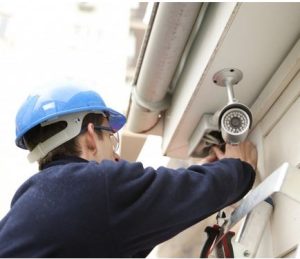
Types of Security Cameras and Their Applications
Security cameras are designed to meet various surveillance needs. Below are the most common types and their applications:
1. Wired Security Cameras
Wired security cameras connect to a recording device using cables and are known for their reliability and uninterrupted video quality.
Best Applications:
- Large businesses requiring 24/7 surveillance.
- High-security environments like government buildings and financial institutions.
2. Wireless Security Cameras
Wireless cameras transmit video data via Wi-Fi or other networks, offering flexibility and ease of installation.
Best Applications:
- Home security setups that require remote monitoring.
- Small businesses looking for an affordable yet effective surveillance solution.
3. IP Cameras (Internet Protocol Cameras)
IP cameras provide high-resolution video and often include advanced features such as motion detection and night vision.
Best Applications:
- Smart homes with integrated security solutions.
- Retail stores for customer monitoring and theft prevention.
4. PTZ Cameras (Pan-Tilt-Zoom Cameras)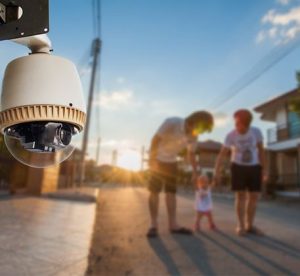
PTZ cameras allow remote control to pan, tilt, and zoom, covering larger areas with fewer devices.
Best Applications:
- Traffic surveillance for highways and intersections.
- Large public venues like stadiums and shopping malls.
5. Thermal and Infrared Cameras
Thermal cameras detect heat signatures, making them ideal for low-light environments.
Best Applications:
- Border security and military surveillance.
- Wildlife conservation and perimeter security.
Key Benefits of Security Cameras
Installing security cameras offers a wide range of benefits beyond simple surveillance. Here are some of the most important advantages:
1. Crime Deterrence
- The mere presence of security cameras can discourage criminal activity.
- Businesses and homes with visible cameras are less likely to be targeted.
2. Real-Time Monitoring
- Remote access allows users to check live feeds from anywhere.
- Smartphone integration enables instant alerts and live notifications.
3. Evidence Collection
- High-definition recordings help law enforcement identify suspects.
- Video footage is crucial in legal disputes and insurance claims.
4. Employee and Customer Safety
- Businesses can ensure a safer environment for workers and customers.
- Security cameras help prevent workplace harassment and internal theft.
5. Insurance Benefits
- Many insurance providers offer discounts for properties with surveillance systems.
- Video evidence can expedite claims in case of theft or damage.
Essential Features to Look for in a Security Camera
When selecting a security camera, consider these key features to ensure optimal security and efficiency:
- Resolution: Choose at least 1080p HD or 4K for clear video quality.
- Night Vision: Infrared technology ensures visibility in dark environments.
- Motion Detection: Alerts are triggered when movement is detected.
- Two-Way Audio: Enables real-time communication through the camera.
- Weather Resistance: Outdoor cameras should be waterproof and dust-resistant.
- Storage Options: Cloud storage ensures secure backups, while local storage minimizes reliance on internet connectivity.
- Smart Integrations: Compatibility with home automation systems enhances functionality.
The Future of Security Cameras: AI and Smart Integration
With the rapid advancement of AI and the Internet of Things (IoT), security cameras are becoming smarter and more efficient. Here are some of the emerging trends:
1. Facial Recognition Technology
- AI-powered cameras can identify individuals, improving security measures in businesses and residential areas.
2. Predictive Analytics
- AI systems analyze behavioral patterns to predict potential security threats.
3. Voice Command Integration
- Cameras can now integrate with smart assistants like Alexa and Google Assistant for hands-free operation.
4. Edge Computing
- Processing video data on the device itself reduces reliance on external servers, improving speed and security.
Conclusion
Security cameras have transformed the way we protect our homes, businesses, and public spaces. The integration of AI, cloud technology, and high-resolution imaging has made modern surveillance systems more efficient and accessible than ever before. As technology continues to advance, security cameras will play an increasingly vital role in ensuring safety and preventing crime. Investing in the right security system today can provide peace of mind and a safer future.
The Evolution of Time Zones