
 By admin
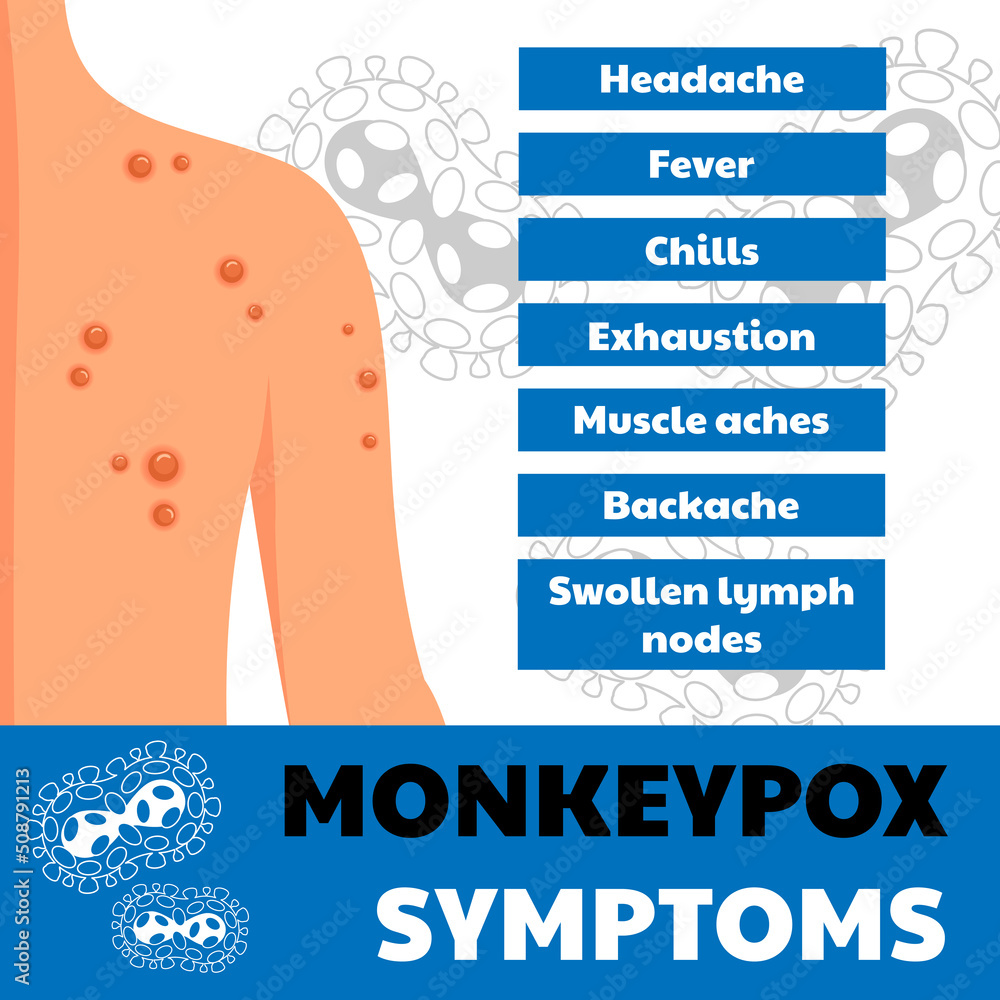
Monkeypox is a rare viral disease that has recently captured global attention due to outbreaks outside of its usual endemic regions in Central and West Africa. The virus, though not as widespread or severe as smallpox, shares some of its characteristics, leading to significant public health concern. Understanding the origins, transmission, symptoms, and prevention of monkeypox is crucial to managing its spread and mitigating potential outbreaks.
What is Monkeypox?
Monkeypox is a viral zoonotic disease caused by the monkeypox virus, a member of the Orthopoxvirus genus, which is closely related to the smallpox virus. The virus was first identified in 1958 when outbreaks occurred in monkeys held for research, hence the name “monkeypox.” However, it is important to note that the virus is not limited to monkeys; rodents and other small mammals can also carry the virus. The first human case of monkeypox was reported in 1970 in the Democratic Republic of Congo, where the disease remains endemic.
While monkeypox is generally not as fatal as smallpox, it can cause severe illness, especially in vulnerable populations such as children, pregnant women, or individuals with weakened immune systems. Its symptoms can range from mild to severe and can last anywhere from two to four weeks.
Symptoms of Monkeypox
The clinical presentation of monkeypox resembles that of smallpox but is generally less severe. After an incubation period of about 7 to 14 days, individuals begin to show early symptoms, which can include:
- Fever: A high fever often occurs within the first few days of infection.
- Headache: Severe headaches are commonly reported, which may be accompanied by muscle aches and back pain.
- Lymphadenopathy: Swelling of the lymph nodes is a distinctive feature of monkeypox, which differentiates it from smallpox.
- Fatigue: A general sense of weakness and tiredness can last for several days.
- Rash: After the initial symptoms, a rash typically develops. This rash often begins on the face and then spreads to other parts of the body, particularly the palms and soles of the feet. The rash progresses through several stages, starting as flat spots, turning into raised bumps, then forming fluid-filled blisters, which eventually crust over.
In some cases, the rash can lead to complications, including secondary bacterial infections, scarring, and more severe systemic symptoms. However, most cases of monkeypox resolve on their own, with supportive care, in 2 to 4 weeks.
Transmission of Monkeypox
Monkeypox primarily spreads from animals to humans, but human-to-human transmission is also possible. The virus can be transmitted through:
- Direct contact with infected animals: Handling or consuming the meat of an infected animal, particularly rodents or monkeys, can transmit the virus. Animal-to-human transmission is more common in endemic regions where people live in close contact with wildlife.
- Human-to-human transmission: The virus spreads from person to person via respiratory droplets, particularly during prolonged face-to-face contact. Additionally, contact with bodily fluids, lesions, or contaminated objects such as bedding or clothing can also transmit the virus. Though the virus is not as easily transmissible as diseases like COVID-19, direct contact with infected skin or mucosal membranes can facilitate the spread.
- Close contact: Close physical contact, including sexual activity, has been noted as a mode of transmission in recent outbreaks, particularly in non-endemic regions. This has led to the identification of certain risk groups in the current global context, where men who have sex with men have been disproportionately affected.
Recent Outbreaks and Global Spread
In 2022, monkeypox made headlines globally as outbreaks occurred in countries outside its usual endemic areas in Central and West Africa. While monkeypox outbreaks are not uncommon in Africa, the rapid spread to countries in Europe, the Americas, and Asia raised alarms. The World Health Organization (WHO) declared the 2022 outbreak a Public Health Emergency of International Concern (PHEIC) due to the unprecedented number of cases in non-endemic regions.
Health authorities attributed the spread to increased global travel, human-animal interaction, and sexual transmission. Notably, the virus spread among certain social networks, especially those involved in intimate contact, which contributed to a concentrated number of cases. In response, countries worldwide began to monitor the spread more closely, tracing contacts, providing vaccines, and advising on public health measures to prevent further transmission.
Prevention and Control of Monkeypox
Preventing the spread of monkeypox involves several key strategies, ranging from vaccination to behavioral changes. Given the virus’s zoonotic nature and its ability to spread through close contact, preventive measures must target both animal-to-human and human-to-human transmission.
- Vaccination: One of the most effective ways to prevent monkeypox is through vaccination. The smallpox vaccine, which is no longer widely administered since the disease was eradicated, has been shown to offer significant protection against monkeypox due to the genetic similarities between the two viruses. In recent years, a newer vaccine, specifically designed for monkeypox, has been developed and authorized for use in outbreak situations. These vaccines are being rolled out in affected areas and recommended for those at high risk of exposure.
- Contact Tracing and Isolation: To prevent human-to-human transmission, contact tracing and isolation are critical. Infected individuals should be isolated until their rash has fully healed and all scabs have fallen off, which usually takes 2 to 4 weeks. Close contacts should be monitored for symptoms, and quarantines may be recommended in certain situations to contain outbreaks.
- Public Health Measures: Public health authorities advise avoiding close contact with individuals showing symptoms of monkeypox. This includes not only avoiding physical contact but also steering clear of contaminated surfaces, bedding, or other personal items. In healthcare settings, appropriate personal protective equipment (PPE), such as gloves and masks, should be worn by healthcare workers when caring for infected individuals.
- Animal Control and Surveillance: Since monkeypox is primarily a zoonotic disease, reducing contact with potential animal carriers is crucial. In areas with endemic monkeypox, efforts to reduce human-animal interactions are necessary. Surveillance programs aimed at detecting the virus in wildlife populations can help identify potential reservoirs and prevent further outbreaks.
- Public Awareness: Educating the public about monkeypox, its symptoms, modes of transmission, and preventive measures is essential for reducing the stigma associated with the disease and promoting responsible behaviors. Awareness campaigns should focus on reducing unnecessary panic and providing clear guidance on what to do if someone suspects they have been infected.
Treatment and Management
Currently, there is no specific antiviral treatment approved for monkeypox. However, antiviral drugs such as tecovirimat (TPOXX), which is licensed for the treatment of smallpox, have shown effectiveness in treating monkeypox in clinical settings. In most cases, the disease resolves on its own with supportive care, including hydration, pain management, and fever control.
For more severe cases, particularly those with complications such as bacterial infections or respiratory distress, hospital care may be necessary. Monitoring for secondary infections and managing pain and inflammation are crucial in these cases.
Conclusion
Monkeypox is a viral disease with the potential for serious health impacts, particularly in vulnerable populations. While the virus primarily occurs in Central and West Africa, recent outbreaks outside these regions have highlighted the global risk posed by zoonotic diseases. By understanding the virus, its transmission, and effective preventive measures, individuals and health authorities can work together to reduce the spread of monkeypox.
Vaccination, public health measures, and effective communication are key components of controlling the spread of the virus. With continued vigilance and awareness, the impact of monkeypox can be minimized, ensuring that it remains a manageable health threat rather than a global crisis. As with any infectious disease, preparedness and prevention are the most effective strategies to ensure public safety and health.