
 By admin
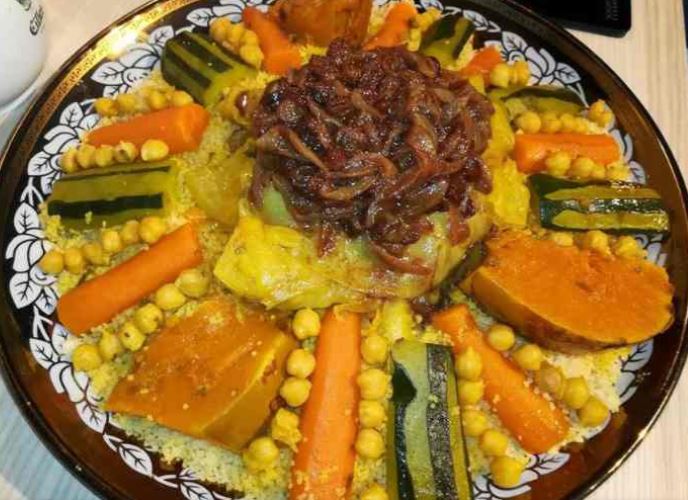
Couscous, a staple in Moroccan cuisine, is more than just a dish; it’s a cultural symbol, a tradition that has been passed down through generations. The word “couscous” itself is derived from the Arabic word “kus-kus,” which refers to the granules of semolina wheat that are steamed and served as a side dish or a base for various stews. Moroccan couscous is particularly famous for its unique texture, flavor, and the method of preparation, which is both an art and a labor of love.
Historical Background of Moroccan Couscous
The origins of couscous trace back to ancient North Africa, specifically to the Berbers, the indigenous people of the region. Couscous is believed to have been invented around the 11th century, although some argue that it existed even earlier. Over time, it became an integral part of the cuisine of the Maghreb (the western part of the Arab world, which includes Morocco, Algeria, Tunisia, and Libya). The dish spread across various parts of the world due to trade, colonialism, and the migrations of people, but the Moroccan version of couscous stands out for its distinctive flavor profile and preparation methods.
The preparation of couscous is more than a simple cooking process; it is embedded in cultural traditions, often linked to communal gatherings and family celebrations. In Morocco, couscous is served during special occasions such as weddings, religious holidays, and other significant events.
Ingredients of Moroccan Couscous
The basic ingredients for preparing Moroccan couscous include:
- Semolina Wheat: Couscous is primarily made from semolina wheat, which is ground durum wheat. The fine, granular texture of semolina gives couscous its distinctive bite and appearance.
- Vegetables: Traditionally, Moroccan couscous is prepared with an assortment of vegetables such as carrots, zucchini, pumpkin, onions, tomatoes, and turnips. These vegetables not only contribute flavor but also provide nutrition and color to the dish.
- Meat: While couscous can be made vegetarian, it is typically served with lamb, chicken, or beef. The meat is often slow-cooked to tender perfection, allowing the flavors to meld with the vegetables and couscous.
- Spices: Moroccan cuisine is known for its rich, aromatic spices. Common spices used in couscous include cumin, cinnamon, saffron, turmeric, ginger, and paprika. The use of these spices imparts a warm, earthy, and fragrant flavor to the dish.
- Chickpeas: These legumes are essential to the dish, providing texture and a subtle earthy flavor that complements the other ingredients.
- Raisins (optional): Some Moroccan couscous recipes include raisins or other dried fruits, adding a touch of sweetness to balance the savory flavors.
Types of Moroccan Couscous
While there are many variations of couscous in Morocco, the most common type is the couscous with vegetables and meat, typically served with a slow-cooked stew called “marqa.” There are also variations based on regional preferences and ingredients, such as:
- Couscous with Lamb and Vegetables: This version is one of the most traditional. The lamb is cooked until it is tender, and the broth is absorbed by the couscous, giving it a rich and savory flavor.
- Chicken Couscous: A lighter version, often prepared with chicken thighs or whole chickens, seasoned with spices, and accompanied by vegetables.
- Couscous with Fish: In coastal regions of Morocco, fish couscous is a popular variation. It typically features white fish, seasoned with spices and cooked in a tomato-based stew.
- Sweet Couscous: In some Moroccan regions, couscous is prepared with dried fruits such as raisins or apricots, cinnamon, and a touch of sugar to create a sweet version that is often served as a dessert or during special occasions.
The Preparation of Moroccan Couscous
Making couscous from scratch is a process that requires patience, skill, and attention to detail. The traditional preparation of Moroccan couscous involves steaming the semolina wheat multiple times to achieve the perfect texture. Below is a step-by-step guide to preparing authentic Moroccan couscous.
1. Preparing the Couscous
- Rinse the Couscous: Start by rinsing the couscous to remove any impurities. This also helps prevent clumping during the steaming process.
- Moistening the Couscous: In a large bowl, sprinkle the couscous with water, using your hands to toss and separate the grains. This step is crucial for the couscous to absorb the moisture evenly. Leave the couscous to rest for about 15-20 minutes.
- Fluffing the Couscous: After the couscous has absorbed the water, use your fingers to fluff and separate the granules. This helps create the light, airy texture that is characteristic of Moroccan couscous.
2. Steaming the Couscous
The traditional method of preparing couscous involves steaming it in a special two-tiered pot called a couscoussier, which consists of a lower pot for the broth and an upper steaming basket where the couscous is placed.
- First Steaming: Place the couscous in the top part of the couscoussier, ensuring that it does not touch the water below. Steam for 15-20 minutes, then remove and fluff the couscous again to prevent it from sticking together.
- Second Steaming: Return the couscous to the couscoussier and steam for another 15-20 minutes. The steam will help the couscous become soft and fluffy.
- Final Step: After the second steaming, remove the couscous and mix it with a small amount of olive oil or butter to give it a rich, glossy texture.
3. Preparing the Stew (Marqa)
While the couscous is steaming, prepare the stew in the lower part of the couscoussier or a separate pot.
- Cooking the Meat: Start by browning your choice of meat (lamb, chicken, or beef) in olive oil. Add onions and cook until they become soft.
- Adding Spices: Add spices such as cumin, turmeric, ginger, cinnamon, paprika, and saffron. Stir well to coat the meat with the spices, allowing them to release their aroma.
- Adding Vegetables and Broth: Add your prepared vegetables, such as carrots, zucchini, turnips, and tomatoes, followed by water or broth. Bring the mixture to a simmer and cook for about 45 minutes to an hour, or until the meat is tender and the flavors have melded together.
- Adding Chickpeas and Raisins (optional): Add the chickpeas and raisins in the final 15 minutes of cooking to let them soften and absorb the flavors.
4. Serving the Couscous
Once the couscous and stew are ready, serve them together:
- Arrange the couscous in a large, shallow platter.
- Create a well in the center of the couscous and pour the stew, including the meat, vegetables, and chickpeas, into the well.
- Garnish with additional spices if desired, such as ground cumin or cinnamon, and serve hot.
Cultural Significance of Moroccan Couscous
Couscous is not just a meal; it is an event in Moroccan culture. The preparation and consumption of couscous are communal activities. It is often shared with family and friends, with everyone sitting around a large platter and enjoying the dish together. This reflects the importance of family and community in Moroccan society.
In many Moroccan households, couscous is prepared on Fridays, the holy day of the week in Islam, as a symbol of hospitality and togetherness. It is often served as the centerpiece of a family meal, where the stew’s rich, flavorful broth is soaked up by the couscous, creating a satisfying and hearty dish.
Variations and Modern Interpretations
While traditional Moroccan couscous remains popular, many contemporary chefs and home cooks have put their own spin on the dish. Some opt for using quinoa, bulgur wheat, or rice instead of semolina wheat, catering to dietary preferences or allergies. Others experiment with different vegetables, meats, or even seafood to give the dish a modern twist while still respecting the foundational flavors of Moroccan cuisine.
Conclusion
Moroccan couscous is more than just a dish; it is a tradition, a communal experience, and a culinary masterpiece. Its rich history, intricate preparation process, and cultural significance make it one of the most beloved dishes in Morocco and the wider Maghreb region. By following traditional methods of preparation, you can enjoy an authentic taste of Morocco, whether you’re making couscous for a special occasion or a comforting family meal.