
 By admin
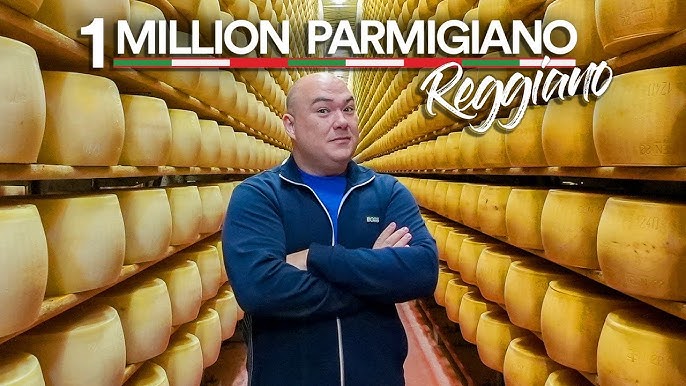
Parmigiano Reggiano: The Italian “King of Cheeses”
Introduction
Parmigiano Reggiano is more than just a cheese—it is a culinary symbol of Italian heritage, craftsmanship, and cultural pride. Known internationally as the “King of Cheeses,” Parmigiano Reggiano is celebrated for its rich flavor profile, natural production process, and storied history rooted in the Emilia-Romagna region. Revered by professional chefs and home cooks alike, this extraordinary cheese has the power to elevate even the simplest dish into a sophisticated culinary experience.
Characterized by its savory, nutty, and slightly salty taste, Parmigiano Reggiano has become essential in global gastronomy. From pasta and risotto to salads, soups, and gourmet appetizers, its presence enhances flavor, aroma, and texture. But what truly sets Parmigiano Reggiano apart is not just its taste—it is the strict, centuries-old method of production that ensures quality and authenticity. Every wheel is made according to precise traditional standards and is aged for many months, allowing its rich aromatic complexity to develop naturally.
In this article, we explore the origins, production, characteristics, culinary uses, and cultural significance of Parmigiano Reggiano, shedding light on why this cheese continues to earn its esteemed global reputation.
1. Origins and History of Parmigiano Reggiano
1.1 A Tradition Rooted in Italian Heritage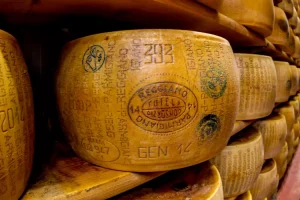
Parmigiano Reggiano originates from a small area of northern Italy, specifically within the provinces of Parma, Reggio Emilia, Modena, and certain parts of Mantua and Bologna. This region is renowned for its fertile lands, unique climate, and agricultural traditions—all of which contribute to the cheese’s exceptional quality. The cheese’s history dates back nearly 900 years, first being produced by Benedictine monks in the Middle Ages who sought ways to preserve milk for extended periods.
1.2 A Name Linked to Place and Identity
The name Parmigiano Reggiano itself reflects its origin:
- Parmigiano refers to the city of Parma.
- Reggiano refers to Reggio Emilia.
This connection between the cheese and its territory is so strong that even today, Parmigiano Reggiano holds Protected Designation of Origin (PDO) status in the European Union. This designation ensures that only cheese produced in the traditional manner and in the specified geographic area can legally bear the name.
For residents of the Emilia-Romagna region, Parmigiano Reggiano is not merely a product—it is a symbol of identity and heritage. As the famed Italian chef Massimo Spigaroli puts it: “In Parma, there is no kitchen without Parmigiano. It is part of the land, the culture, and the soul of the people.”
2. The Art of Crafting Parmigiano Reggiano
2.1 Ingredients: Simple Yet Exceptional
The beauty of Parmigiano Reggiano lies in its simplicity. It is made with only three natural ingredients:
- Raw cow’s milk
- Natural rennet
- Sea salt
No preservatives, additives, or artificial flavors are ever used. The milk used is from cows fed on local forage, contributing significantly to the cheese’s flavor profile. The diet of the cattle—fresh grass, hay, and natural grains—enhances the richness and aroma of the milk, which, in turn, enhances the cheese.
2.2 A Meticulous Production Process
Parmigiano Reggiano is crafted daily by skilled cheesemakers who follow traditional methods handed down over generations. The production involves:
- Heating fresh milk in copper vats
- Adding natural rennet to form curds
- Cutting and stirring the curds until they reach the right texture
- Forming the curds into large wheels
- Brining the wheels in sea salt solution
- Aging the cheese for a minimum of 12 months
The aging process is critical: some wheels are aged for 24, 36, or even 72 months, each stage developing deeper and more complex flavors. Young Parmigiano Reggiano tends to be softer and milder, while older cheese becomes crumblier, with more pronounced crystals and a stronger umami flavor.
2.3 Quality Certification and Inspection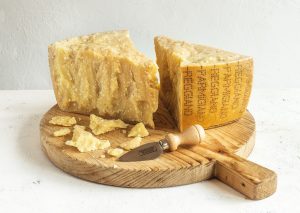
Every wheel of Parmigiano Reggiano undergoes a strict inspection by the Parmigiano Reggiano Consortium. If a wheel does not meet the standards of taste, texture, aroma, and appearance, it cannot be labeled and sold as Parmigiano Reggiano. This rigorous inspection system ensures that the cheese remains one of the most trustworthy and high-quality food products in the world.
3. Flavor Profile and Sensory Characteristics
3.1 A Symphony of Taste
Parmigiano Reggiano offers a unique combination of flavors:
- Savory and salty notes
- Nutty undertones
- Rich umami depth
- Slight natural sweetness
A well-aged Parmigiano Reggiano also contains tyrosine crystals—tiny crunchy formations that add both texture and enhanced flavor. These crystals are a sign of maturity and quality.
3.2 Aroma and Texture
The cheese emits a warm, slightly fruity aroma reminiscent of roasted nuts, browned butter, and hay fields. Its texture varies depending on age:
- Younger cheese: smooth, slightly elastic
- Aged cheese: crumbly, granular, full of crystals
Chef Massimo Spigaroli describes it beautifully: “Good Parmigiano is fatty, fragrant, and full of crystals—it sings in the mouth.”
4. Culinary Uses: From Simple to Refined
4.1 Elevating Everyday Cooking
Parmigiano Reggiano is incredibly versatile. It can be:
- Grated over pasta, risotto, or soups
- Shaved onto salads or carpaccio
- Served as a table cheese with fruit, honey, or cured meats
4.2 Gourmet Creations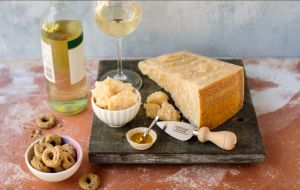
Professional chefs use Parmigiano Reggiano to bring depth and sophistication to dishes such as:
- Parmesan cream sauces
- Parmigiano soufflés
- Parmesan crisps baked into thin, crunchy tuiles
- Ravioli with ricotta and spinach topped with aged Parmigiano
4.3 Pairing Suggestions
Parmigiano Reggiano pairs beautifully with:
- Wine: Chianti, Lambrusco, Barolo
- Balsamic vinegar of Modena PDO
- Fresh fruits: pears, figs, apples
- Cured meats: prosciutto di Parma
5. Nutrition and Health Benefits
Parmigiano Reggiano is not only delicious—it is nutritious:
- High in protein
- Contains calcium and phosphorus
-
Naturally lactose-free due to its aging process
- Provides vitamins such as B12
Athletes and individuals with lactose intolerance often choose Parmigiano Reggiano as a healthy, digestible cheese option.
Conclusion
Parmigiano Reggiano is rightfully known as the “King of Cheeses.” Its rich history, exceptional craftsmanship, unique flavor, and deep cultural connection to the Emilia-Romagna region make it a symbol of Italian excellence. More than an ingredient, it is a culinary treasure that has inspired chefs, nourished families, and preserved centuries-old traditions. Whether grated over pasta, enjoyed with balsamic vinegar, or savored in its pure form, Parmigiano Reggiano continues to reign supreme in kitchens around the world.
The Art of Crafting Refreshing Fruit Cocktails