
 By admin
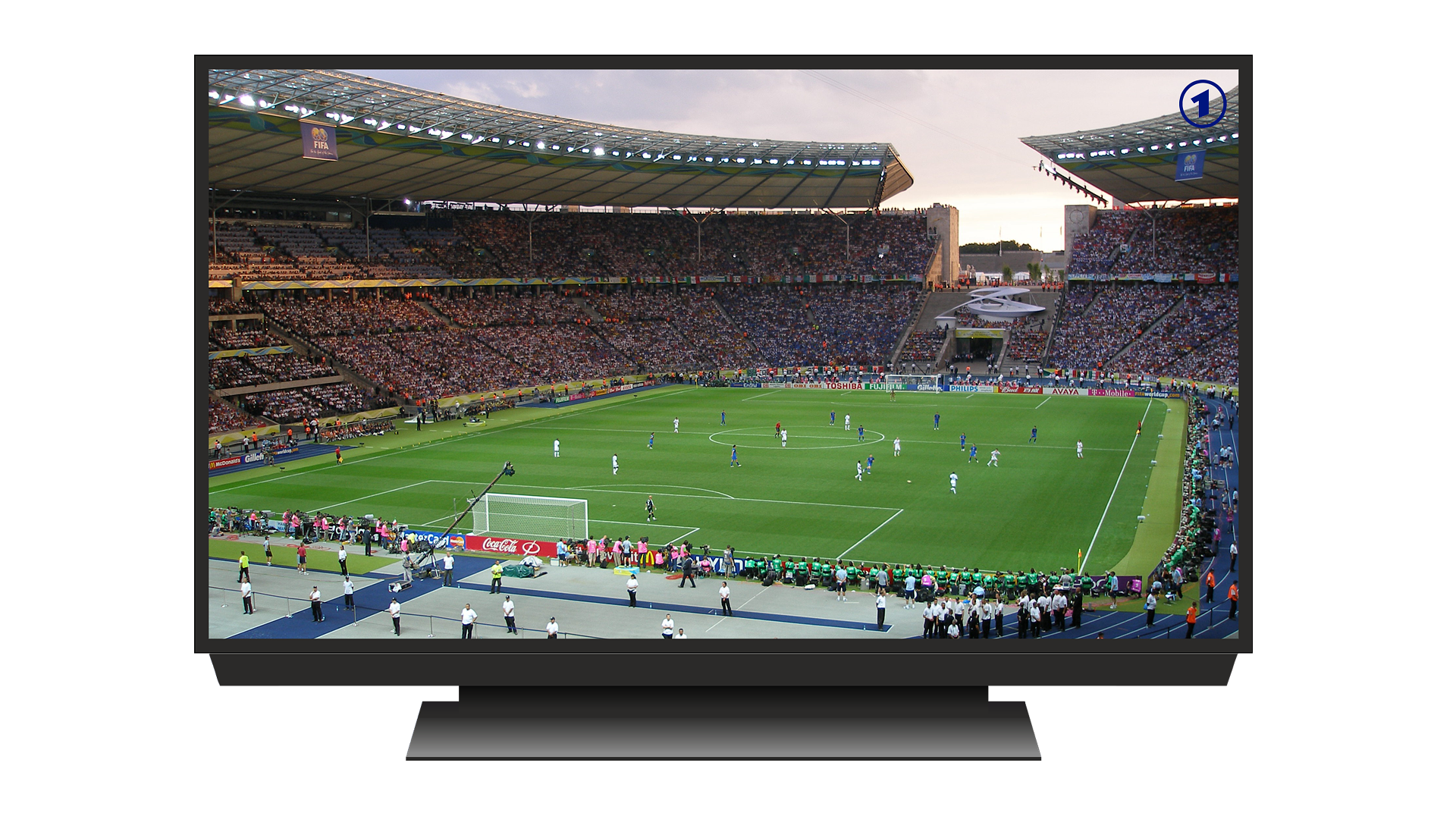
How Modern Technology Transforms Watching Sports at Home: A Complete Immersive Experience
Introduction
The landscape of sports viewing has undergone a radical transformation in recent years. Thanks to rapid advancements in technology, watching a game from home is no longer a passive experience. Today, sports fans can enjoy an immersive, high-definition, and interactive experience that rivals the excitement of a stadium. From ultra-high-definition displays and artificial intelligence to 5G streaming, virtual reality (VR), and augmented reality (AR), technology has redefined how we engage with live sports.
This article explores the groundbreaking innovations enhancing the home sports viewing experience, helping fans feel closer to the action than ever before.
The Evolution of Television Displays: Next-Level Visuals
OLED and ULED Displays: Unparalleled Picture Quality
Modern televisions have evolved significantly, offering crystal-clear visuals that bring sports events to life.
- OLED Technology: Brands like LG and Sony have pioneered OLED (Organic Light Emitting Diode) technology, which offers deep blacks, vibrant colors, and incredible contrast. OLED screens, such as the LG OLED evo M3 4K Smart TV, provide self-lit pixels, eliminating motion blur—crucial for fast-paced games like football and basketball.
- ULED Technology: Hisense’s ULED (Ultra Light Emitting Diode) TVs, including the Hisense 100-inch ULED TV, use cutting-edge backlight control and quantum dot technology to deliver superior brightness and color accuracy. This ensures a lifelike experience, making viewers feel as if they are watching the game from the sidelines.
AI-Powered Visual Enhancements
Leading brands like Samsung integrate artificial intelligence (AI) into their televisions to optimize picture quality dynamically.
- AI-driven 4K and 8K upscaling enhances lower-resolution content, ensuring crisp details and fluid motion.
- Samsung’s Neo QLED AI-powered TV uses deep-learning algorithms to analyze the action and adjust contrast, brightness, and clarity in real time, making every goal, pass, and replay appear incredibly sharp.
High-Speed Connectivity: 5G and Seamless Streaming
The Impact of 5G on Sports Broadcasting
The introduction of 5G networks has revolutionized live sports streaming by eliminating lag and buffering issues.
- 5G allows fans to stream ultra-HD content on mobile devices and smart TVs without interruptions.
- Live multi-angle streaming is now possible, where viewers can switch between camera angles in real-time.
- Companies like Vodafone Qatar offer 5G-powered immersive experiences, including 360-degree live-action VR streaming, bringing fans closer to their favorite teams.

Virtual and Augmented Reality: Bringing the Stadium Home
VR and AR Transformations in Sports Viewing
Virtual reality (VR) and augmented reality (AR) technologies are redefining the home viewing experience by providing interactive and immersive elements.
- VR Headsets (e.g., Meta Quest, PlayStation VR) allow fans to watch games from a virtual stadium seat, complete with surround sound and crowd effects.
- AR Sports Overlays: Apps like ESPN and Sky Sports use AR to provide real-time player stats, ball trajectory analysis, and tactical insights, making the viewing experience more engaging and informative.
- 360-Degree Cameras placed in stadiums let fans choose their preferred viewpoint, offering an unparalleled interactive experience.
Social Media Integration: Enhancing the Viewing Experience
Engaging with Fans in Real-Time
Social media has transformed sports viewing into a global interactive event.
- Live Match Commentary and Reactions: Twitter, Instagram, and Facebook allow fans to comment and react to key moments in real time.
- Second-Screen Experience: Many broadcasters now sync social media feeds directly into live broadcasts, enabling polls, fan discussions, and interactive graphics.
- TikTok and Instagram Reels provide instant match highlights and behind-the-scenes coverage, keeping fans engaged even after the game ends.
Advanced Sound Systems: Hear the Action Like Never Before
Dolby Atmos and 3D Audio Technology
Immersive sound quality is just as important as high-definition visuals in creating the ultimate home sports experience.
- Dolby Atmos technology offers 3D surround sound, making fans feel like they are in the stadium.
- Samsung’s Neo QLED series includes AI-powered sound optimization, which adapts audio based on room acoustics, ensuring optimal clarity.

- Bose and Sonos soundbars deliver stadium-like ambiance by enhancing crowd noise, referee whistles, and even the subtle sounds of players on the field.
Conclusion
The home sports viewing experience has come a long way from standard TV broadcasts. Cutting-edge advancements in OLED and ULED displays, AI-powered image enhancements, 5G connectivity, VR and AR applications, social media integration, and premium sound systems have created a highly immersive and interactive way to watch sports.
As technology continues to evolve, the future of home sports entertainment looks brighter, clearer, and more dynamic than ever. Whether you’re a casual fan or a die-hard supporter, investing in these innovations can transform your living room into a next-generation sports arena.
The Psychology of Hearing Your Own Voice