
 By admin
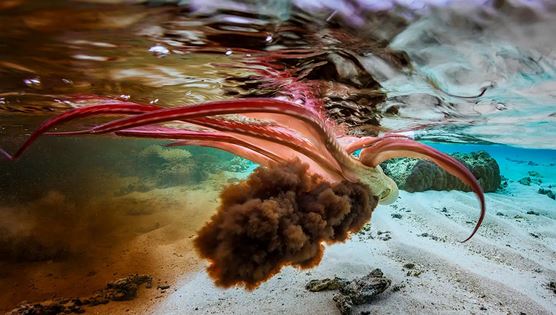
The Fascinating Science Behind Nature’s Ultimate Defense Mechanism
Introduction
In the mysterious depths of the ocean, survival is a constant challenge. Among the countless species that have evolved extraordinary defense mechanisms, squid and octopus stand out for their remarkable ability to produce and deploy ink. This natural adaptation not only helps them escape predators but also plays a significant role in their behavior, communication, and interaction with their environment. But how exactly do squid and octopus produce ink? What makes their ink so effective? And what recent scientific discoveries are shedding new light on this ancient defense mechanism? In this comprehensive guide, we’ll dive into the science, biology, and modern research surrounding the inky secrets of these fascinating cephalopods.
The Anatomy of Ink Production in Squid and Octopus
What Are Cephalopods?
Squid and octopus belong to the class Cephalopoda, which also includes cuttlefish and nautilus. These intelligent, soft-bodied mollusks have evolved over millions of years, developing complex nervous systems, advanced camouflage abilities, and, of course, their iconic ink defense.
The Ink Sac: Nature’s In-Built Ink Factory
At the core of ink production is a specialized organ called the ink sac, located near the digestive system. This sac is connected to the rectum, allowing the animal to expel ink rapidly when threatened.
How the Ink Is Made:
- Melanin Production: The primary pigment in cephalopod ink is melanin—the same pigment responsible for human skin, hair, and eye color. In the ink sac, specialized cells synthesize melanin particles, giving the ink its rich, black hue.
- Mucus Secretion: The ink is combined with mucus from glands in the funnel region. This combination thickens the ink and allows it to form clouds or specific shapes in water.
- Chemical Enhancements: Recent studies have found that cephalopod ink also contains amino acids, enzymes, and toxins that may irritate predators’ senses, adding another layer of defense.
The Science of the Ink Release Mechanism
How Do Squid and Octopus Release Ink?
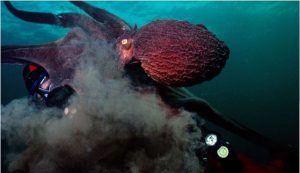
When threatened, squid and octopus contract muscles around the ink sac, forcing the ink through the siphon—a tubular organ that also propels water for jet-like movement. The animal can aim the siphon to direct the ink cloud precisely toward a threat.
Types of Ink Displays
Recent research identifies different strategies cephalopods use, depending on the situation:
- Smoke Screen: A large, dark cloud to obscure the predator’s view while the cephalopod escapes.
- Pseudomorphs: Mucus-rich blobs of ink that mimic the size and shape of the squid or octopus, fooling predators into attacking the decoy.
- Chemical Warfare: Some species’ ink contains bioactive compounds that may dull a predator’s sense of smell or taste.
Why Do Squid and Octopus Produce Ink?
Primary Functions of Ink:
- Defense Against Predators: The main purpose of ink is to create a visual barrier or distraction.
- Escape Tactic: The sudden release of ink startles predators, giving the cephalopod valuable seconds to flee.
- Communication: Some scientists suggest ink release may also serve as a signal to other cephalopods, indicating danger.
- Hunting Assistance: Rarely, ink may be used to confuse prey, making them easier to catch.
What’s in Cephalopod Ink? Recent Discoveries
Composition of Ink:
- Melanin: Provides the black or brown color.
- Tyrosinase Enzymes: May irritate predators’ eyes and olfactory senses.
- Dopamine and L-DOPA: Potentially affect the nervous system of nearby creatures.
- Mucopolysaccharides: Give ink its viscous, cloud-forming properties.
Latest Research Insights:
A 2023 study published in Marine Biology Advances found that squid ink contains antimicrobial properties, opening possibilities for medical applications, such as natural antibiotics. Another 2024 paper highlighted the antioxidant capacity of octopus ink, which may have uses in skincare and health supplements.
How Effective Is Ink as a Defense?
Success Rates in Nature:
Observational studies reveal that ink release is highly effective, allowing escape in up to 80% of predatory encounters. However, the success depends on:
- The type of predator (visual vs. sensory hunters).
- Water currents and visibility.
- The health and speed of the cephalopod.
Predators That Outsmart Ink:
Sharks, which rely heavily on electroreception rather than sight, are less affected by ink clouds. Similarly, some deep-sea predators have adapted to bypass ink defenses entirely.
Evolutionary Significance of Ink Production
The ink-producing ability of cephalopods dates back at least 150 million years, with fossilized ink sacs discovered from ancient squid-like creatures. This suggests that ink defense has been a successful evolutionary strategy long before humans walked the earth.
Cephalopod Ink in Human Culture and Industry
From Ancient Ink to Modern Cuisine:
- Historical Use: Ancient civilizations harvested squid ink for writing and drawing.
- Culinary Delight: Today, squid ink is a delicacy in dishes like pasta, risotto, and sauces, prized for its umami flavor and deep black color.
- Medical Potential: Researchers are now exploring cephalopod ink for pharmaceutical uses, including anticancer, antimicrobial, and anti-inflammatory applications.
Conclusion
The ability of squid and octopus to produce ink is one of the most fascinating examples of natural defense in the animal kingdom. Beyond its immediate purpose of evading predators, cephalopod ink is a complex, multifunctional substance with profound implications in science, medicine, and even gastronomy. As researchers continue to uncover the secrets of this remarkable adaptation, it becomes clear that the inky escape of a squid or octopus is far more than a simple cloud—it’s a sophisticated survival tool shaped by millions of years of evolution.
Why Adopting an Older Golden Retriever?